住まい
2026.02.19
2012-DOUBLE COURT|北海道旭川の住宅設計|2つの庭/コートハウス
住まい
2026.01.29
2023-二景の家|北海道札幌の住宅設計|二つの風景を取り込む住まい
商業・サービス施設
2026.02.16
2010-美田内科循環器科クリニック|北海道札幌の医院設計


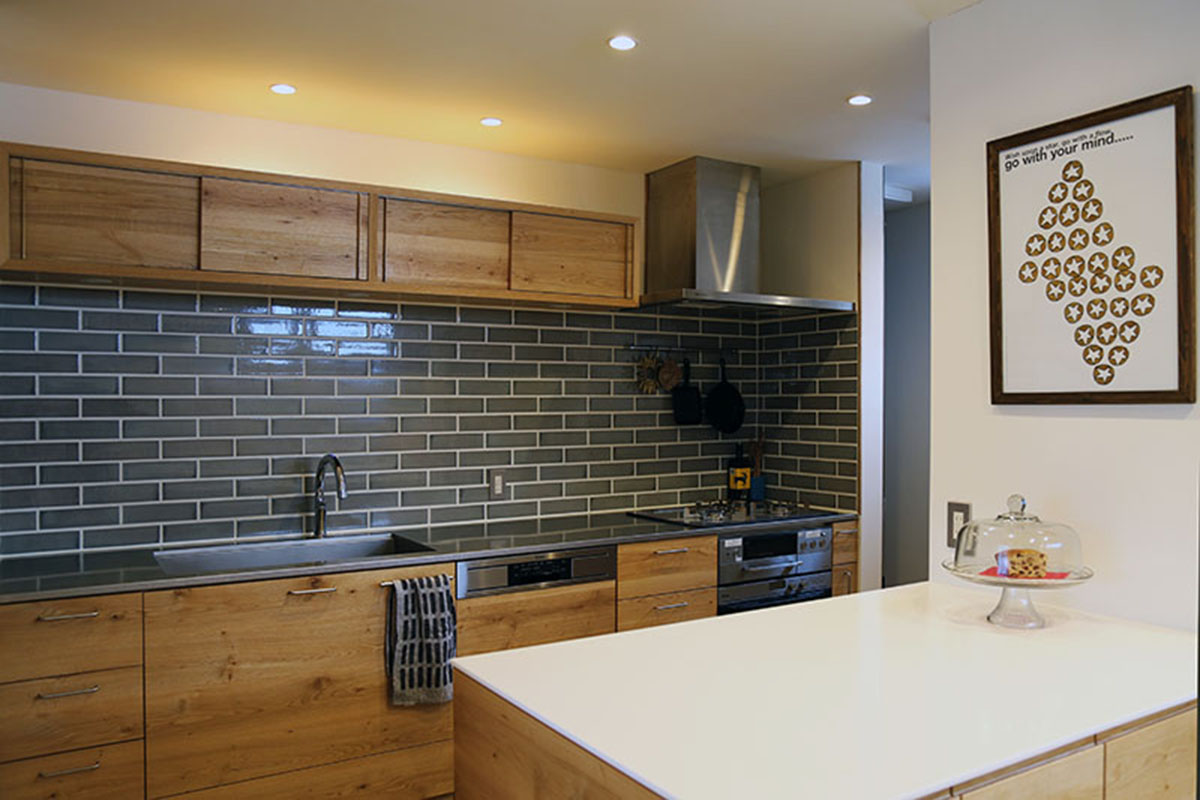
北海道札幌市中央区の高台に建つ住宅「la coline」。傾斜地の高低差を暮らしの空間に取り込み、眺望とプライバシーを両立させた住まいです。
la colineは、北海道札幌市中央区の高台に建つ住宅です。
敷地は北側に山を抱き、南側には札幌市内の遠景が広がる、開放感のある環境に位置しています。
一方で、この立地には課題もありました。
北側に大きな開口を設けると、背後にある住宅から見下ろされる関係となり、十分なプライバシーを確保することが難しくなります。
そこで、周囲からの視線と豊かな風景の双方を読み取りながら、住空間の配置を整えていきました。
敷地の高低差を活かしながら、視線の抜けや光の入り方を丁寧に考えています。
高台という立地条件を住まいの魅力へとつなげた住宅です。
“La Coline” is a house in Sapporo’s Chuo Ward, designed to embrace the level differences of a hillside site while balancing panoramic views and privacy.
La Coline is a residence located on a hillside in Chuo Ward, Sapporo, Hokkaido.
The site enjoys a remarkable setting: mountains rise to the north, while distant views of the city open toward the south.
At the same time, the site presents a challenge.
If large openings were placed on the northern side, the house would be overlooked by neighboring homes located uphill, making privacy difficult to maintain.
The design therefore began by carefully interpreting the relationship between surrounding views and the site conditions.
By incorporating the level differences of the hillside, the spatial layout was organized to balance openness toward the landscape with a sense of privacy.
The result is a house that transforms the characteristics of a hillside site into a defining quality of everyday living.


主要な居室の開口は南側に配置し、
市内の遠景をのびやかに取り込みます。
一方で北側には、山の風景を一部切り取るような窓を設け、
視線を制御しながら自然とのつながりを確保しました。
また、敷地内には約6mの高低差があります。
これを無理に造成して平らにするのではなく、
その地形を素直に建築へ取り込み、
斜面に腰かけるように遠景を望む住まいを構想しました。
高低差は制約ではなく、この場所にしか生まれない空間体験を生み出す要素です。
地形と視線を読み解くことで、
都市の中にありながら、風景と穏やかに向き合う住まいを実現しました。
The primary living spaces are oriented to the south, capturing sweeping views of the city skyline.
On the north side, carefully positioned windows frame selective views of the mountains,
allowing nature to be felt while controlling unwanted sightlines.
The site contains an approximately 6-meter level difference.
Rather than flattening the land through extensive grading,
the design honestly incorporates the natural slope into the architecture itself.
The house is conceived as a place to sit along the hillside—
to inhabit the slope and look outward toward the distant landscape.
Here, topography is not treated as a constraint,
but as an opportunity to create a spatial experience unique to this site—
a home that quietly engages with both city and mountain.