商業・サービス施設
2026.02.14
2025-なごみ薬局|北海道札幌薬局設計|木の内装
リノベーション
2025.12.29
2018-le jardin|北海道札幌の住宅設計|緑を楽しむ住宅
商業・サービス施設
2025.12.29
2021-札幌ふしこ内科・透析クリニック|北海道札幌医院設計|中庭の透析施設


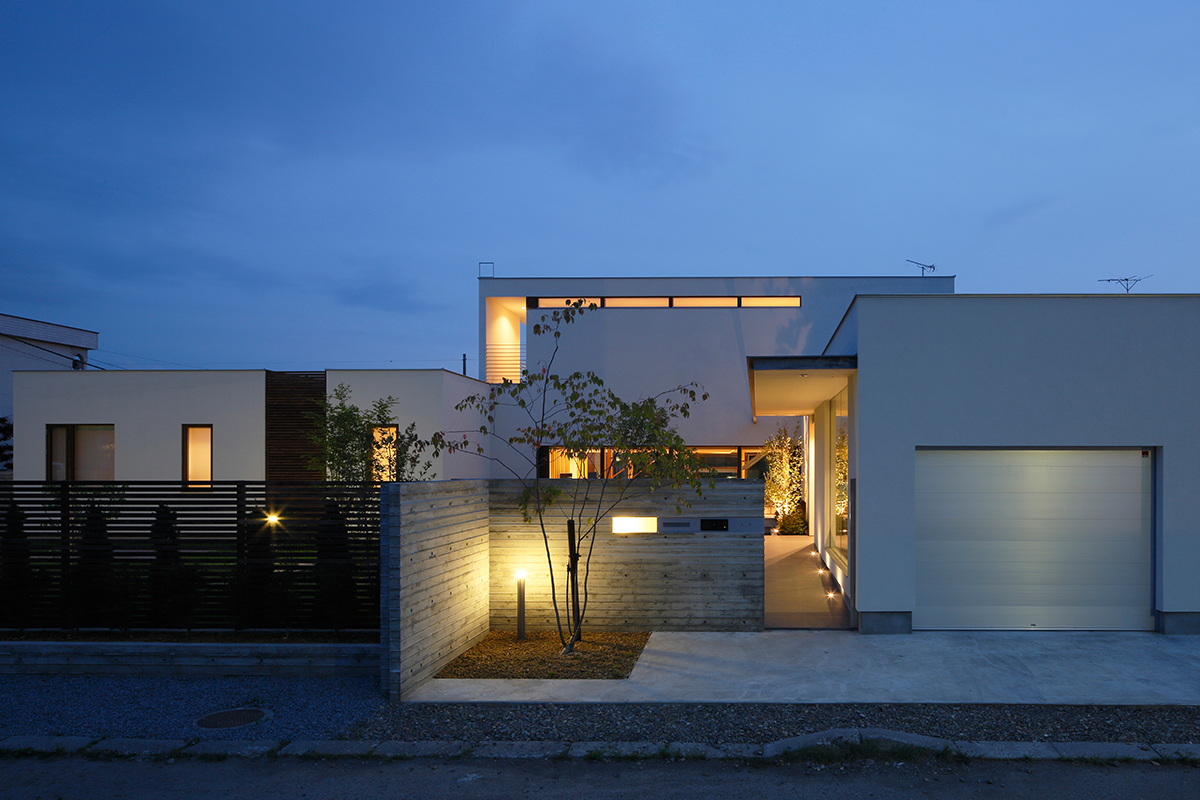
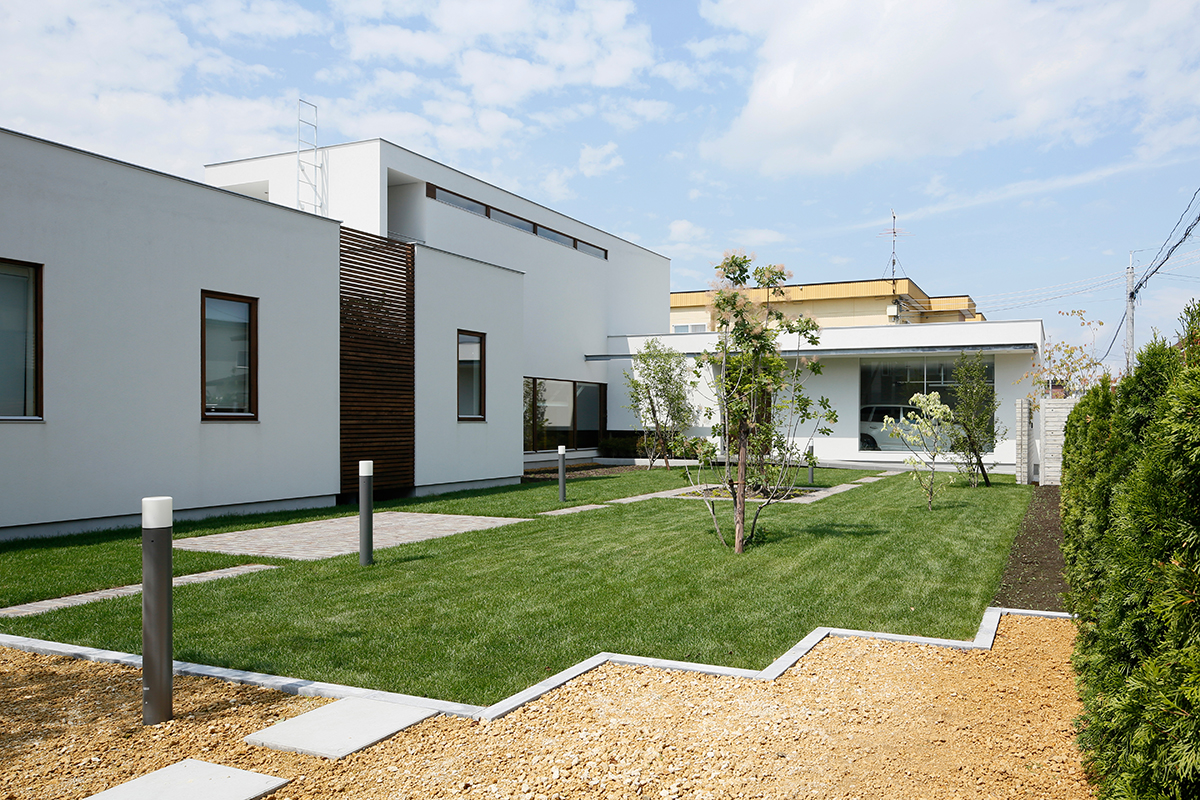
北海道旭川市の住宅設計。二つの庭をつなぐコートハウス。
旭川市の住宅街に建つ住まい。
将来、隣地にご両親の家が建つ計画を前提とした敷地である。
二つの住まいが並ぶ未来を見据えながら、
どのように緩やかな関係をつくるかを考えた。
この住宅では、
**「庭」**を媒介として二つの空間をつなぐ。
視線や気配が行き交いながらも、
それぞれの暮らしが静かに保たれる関係を
丁寧に編み込んでいる。
A courtyard house in Asahikawa, Hokkaido, connecting two gardens.
This house is located in a residential neighborhood in Asahikawa.
The project was planned with the future construction of the client’s parents’ house on the adjacent site in mind.
Rather than separating the two homes, the design explores how they might be gently connected.
The garden becomes the medium between them,
allowing sightlines and subtle presence to move across the boundary.
Two homes,
linked quietly through the space of the garden.
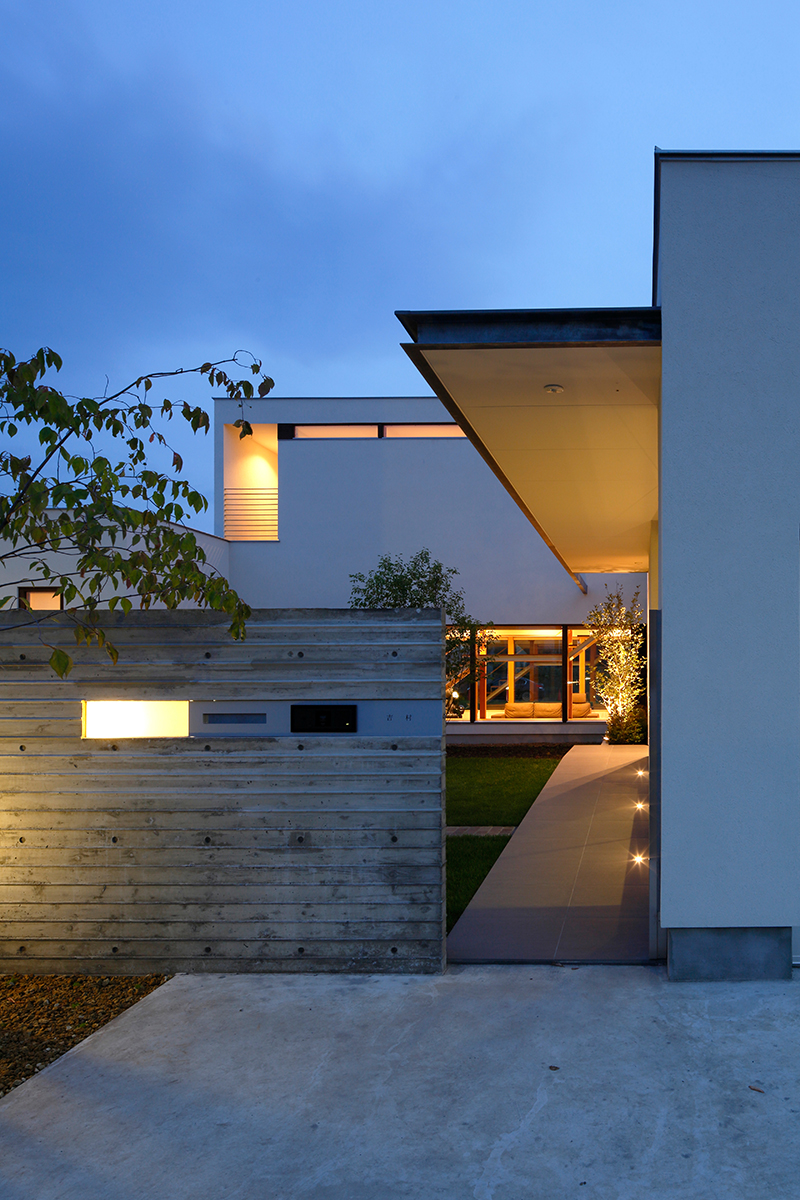
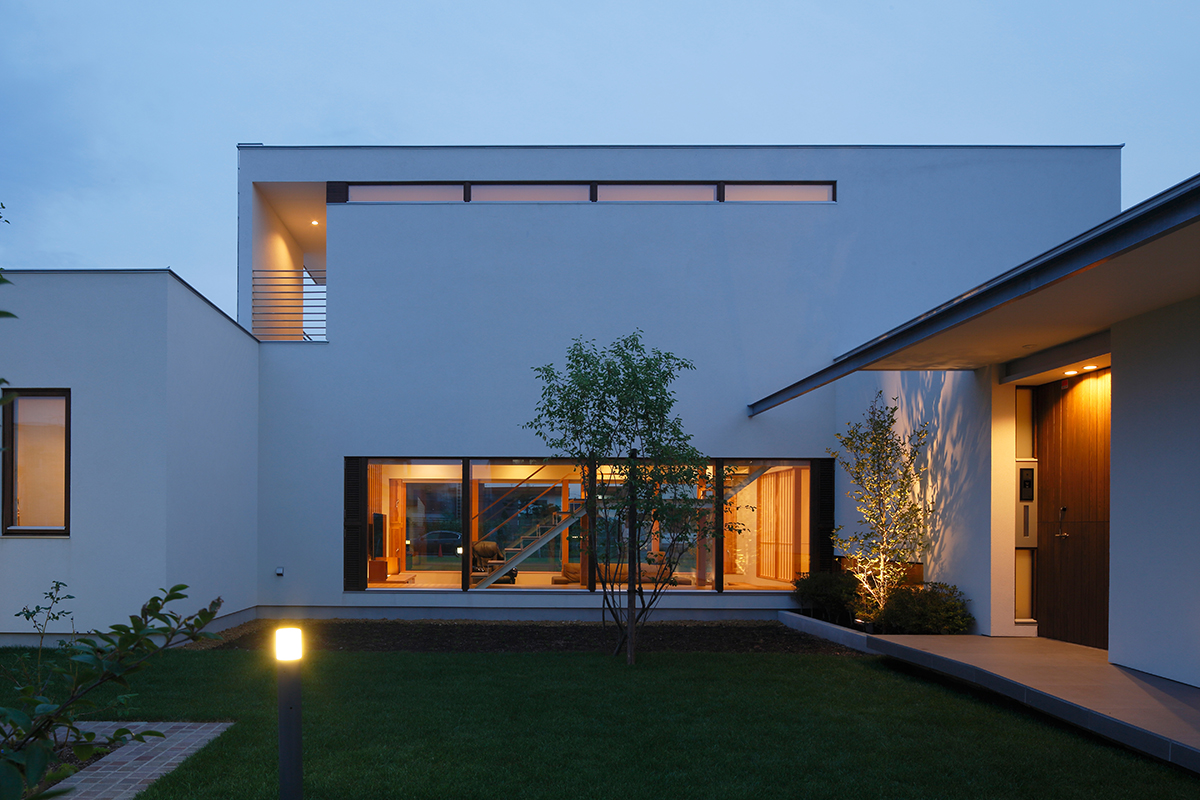
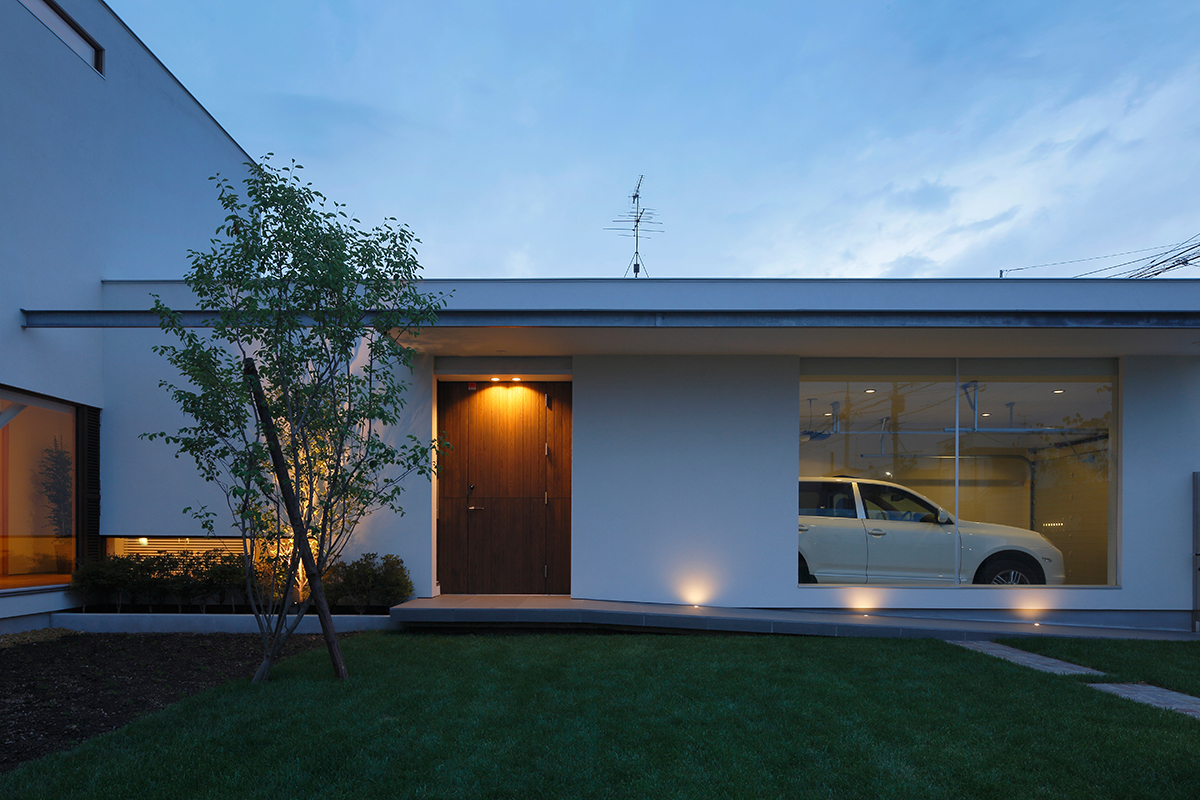
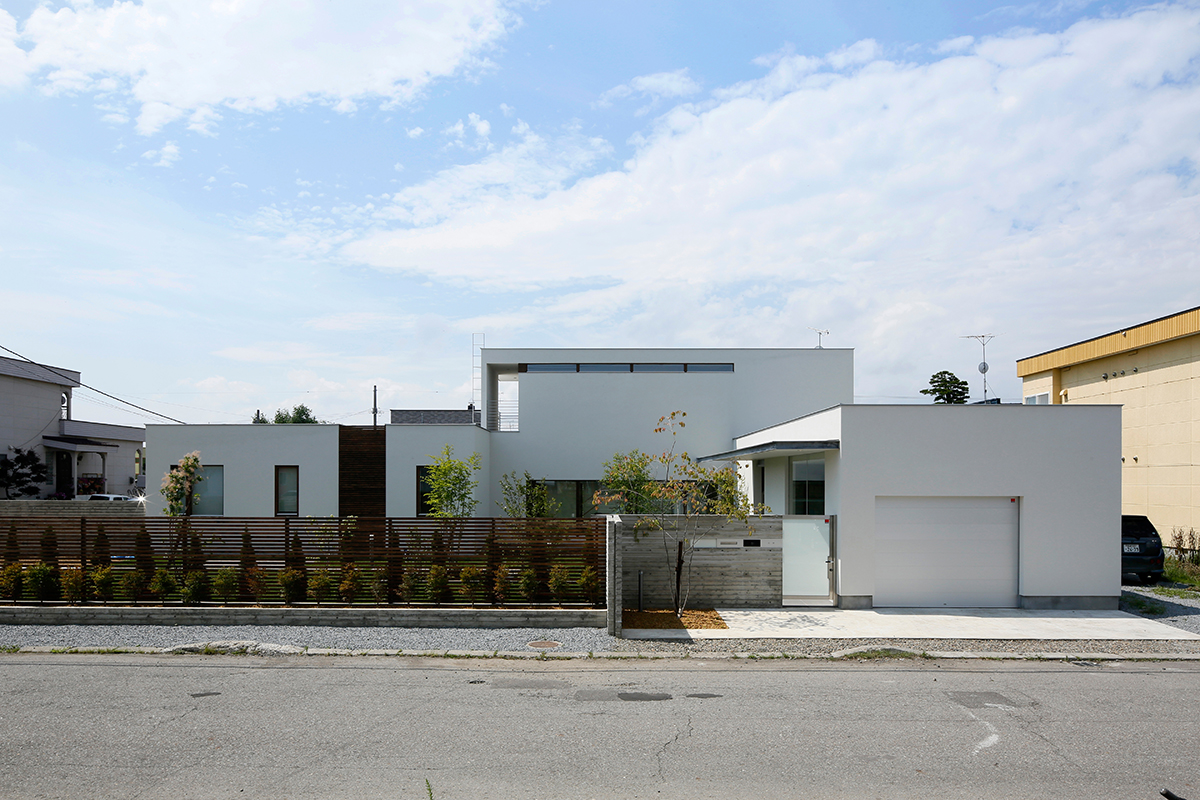
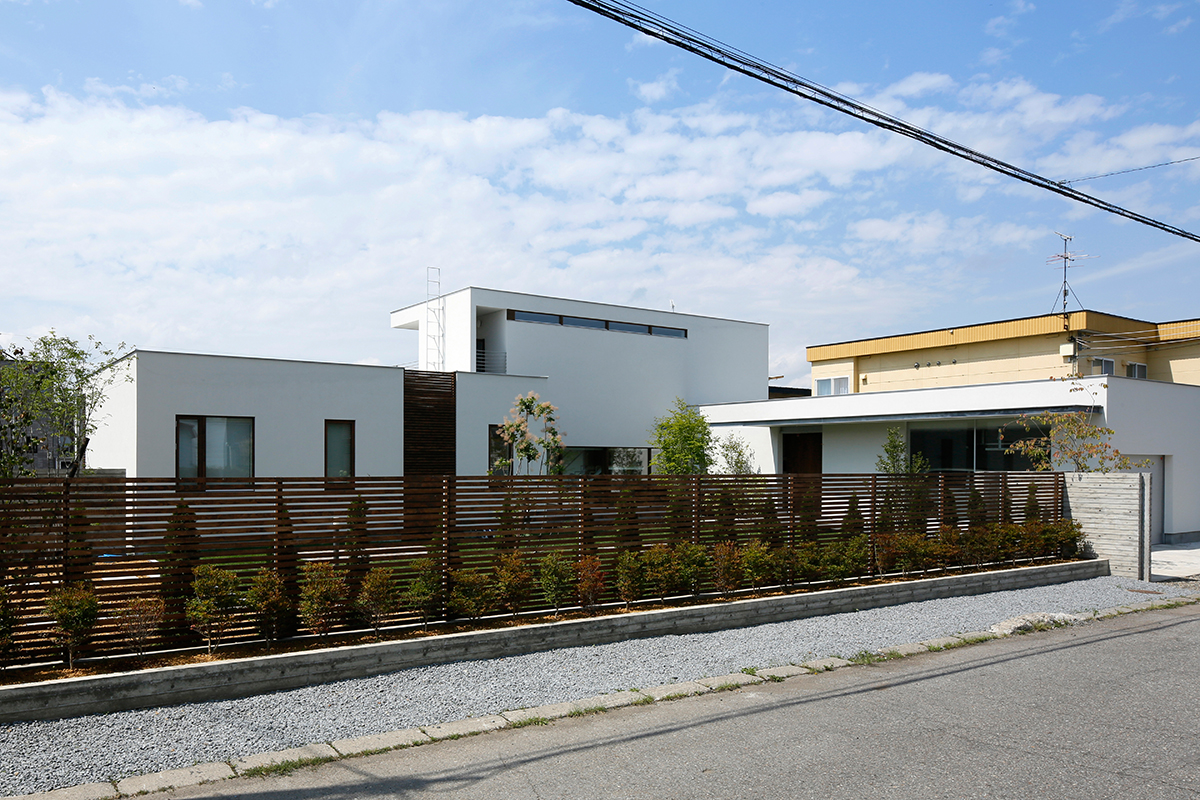
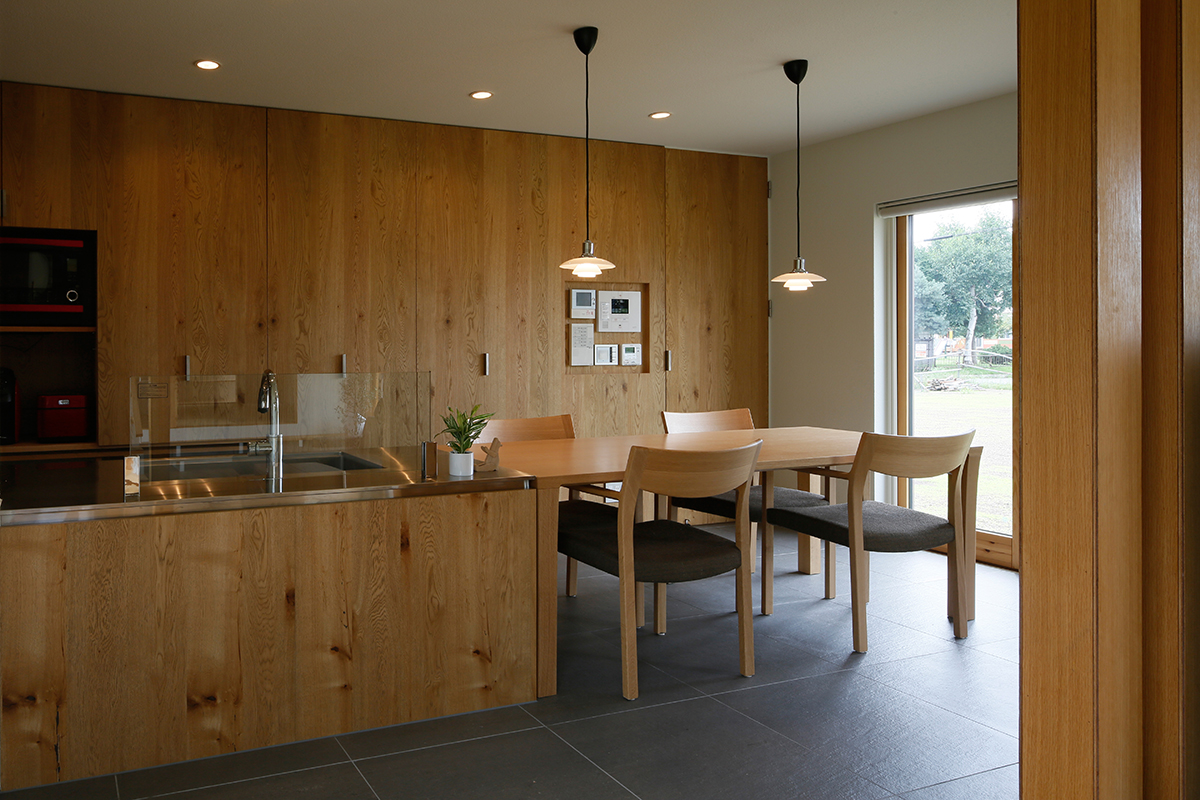
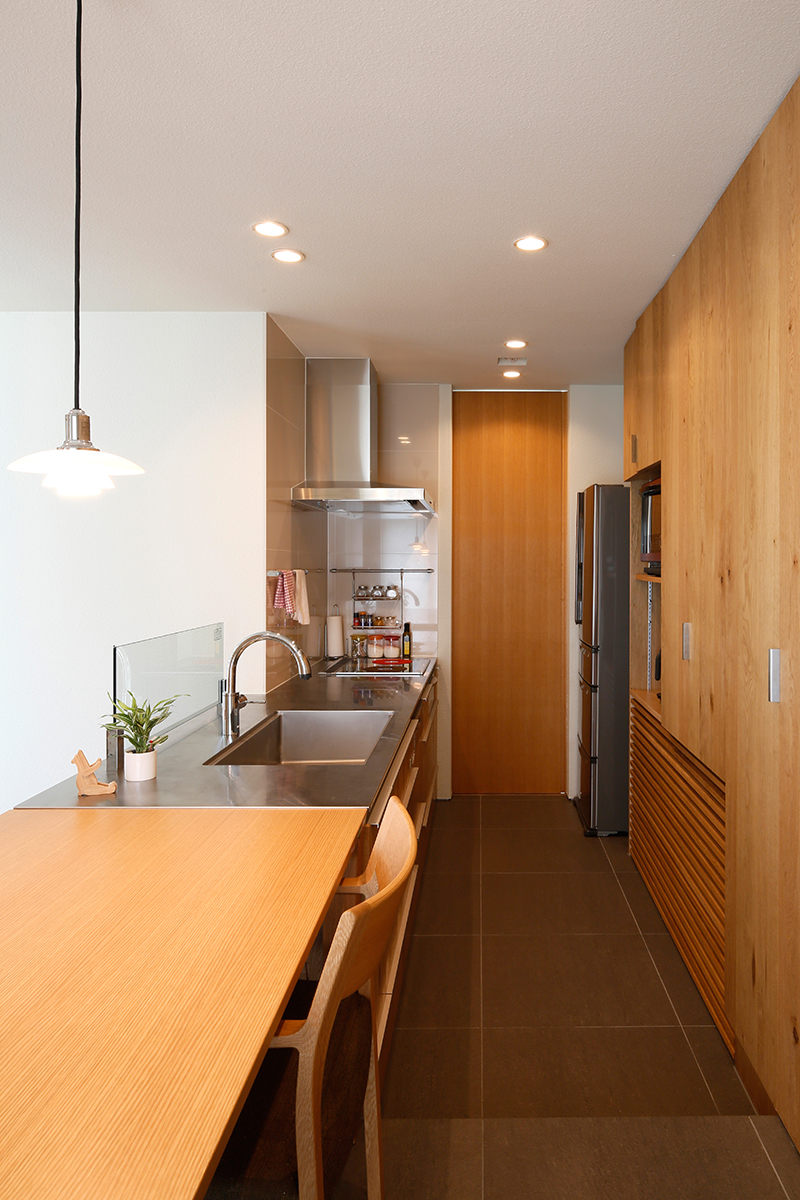
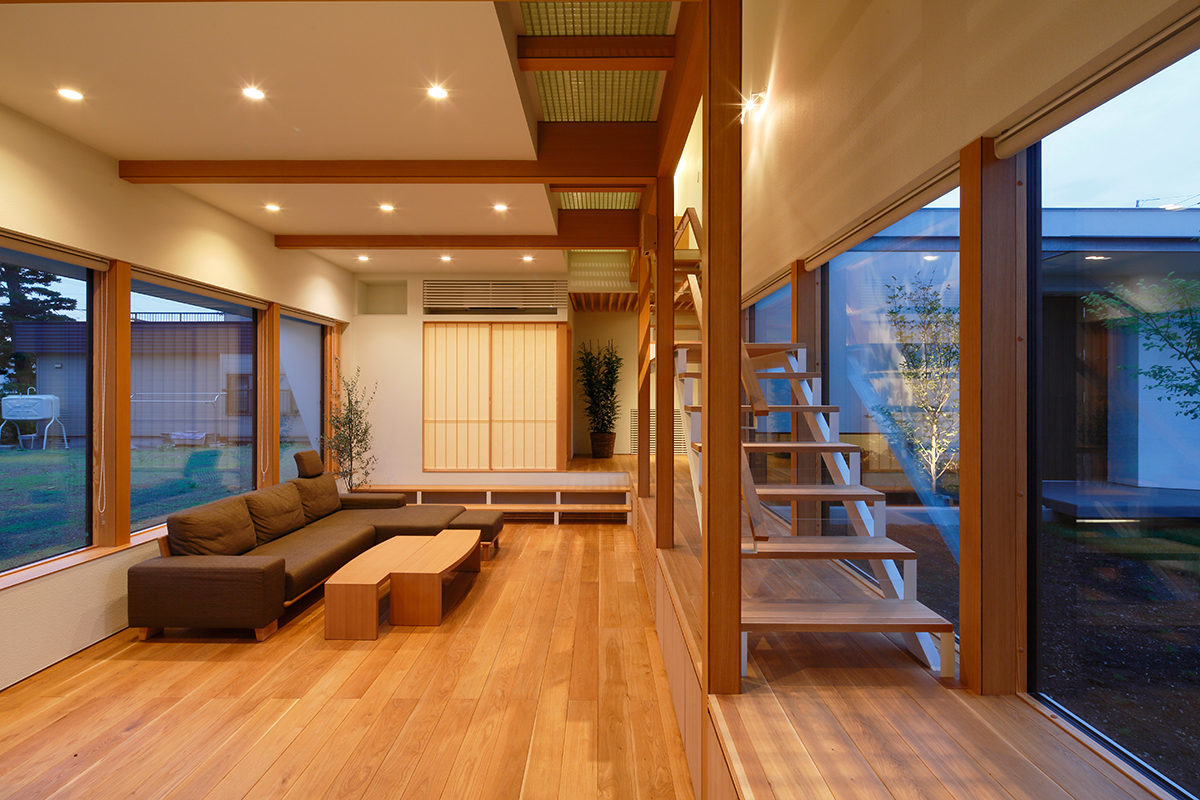
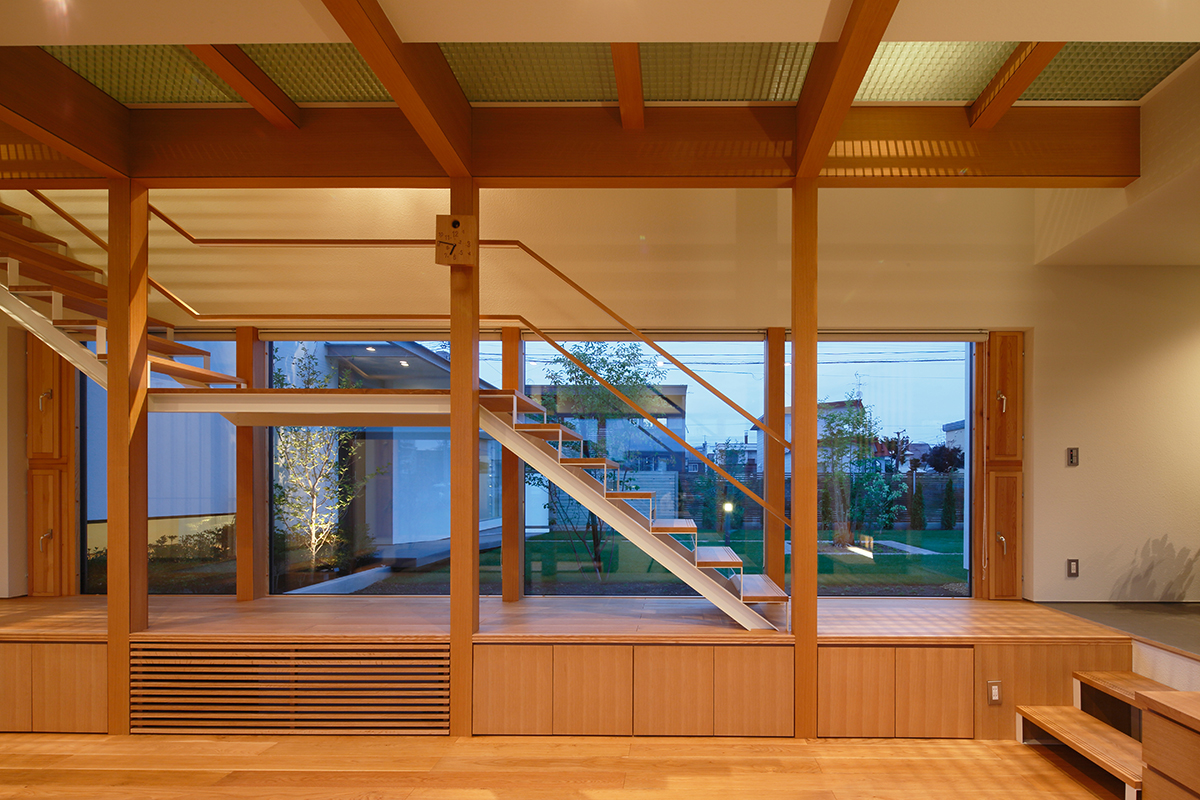
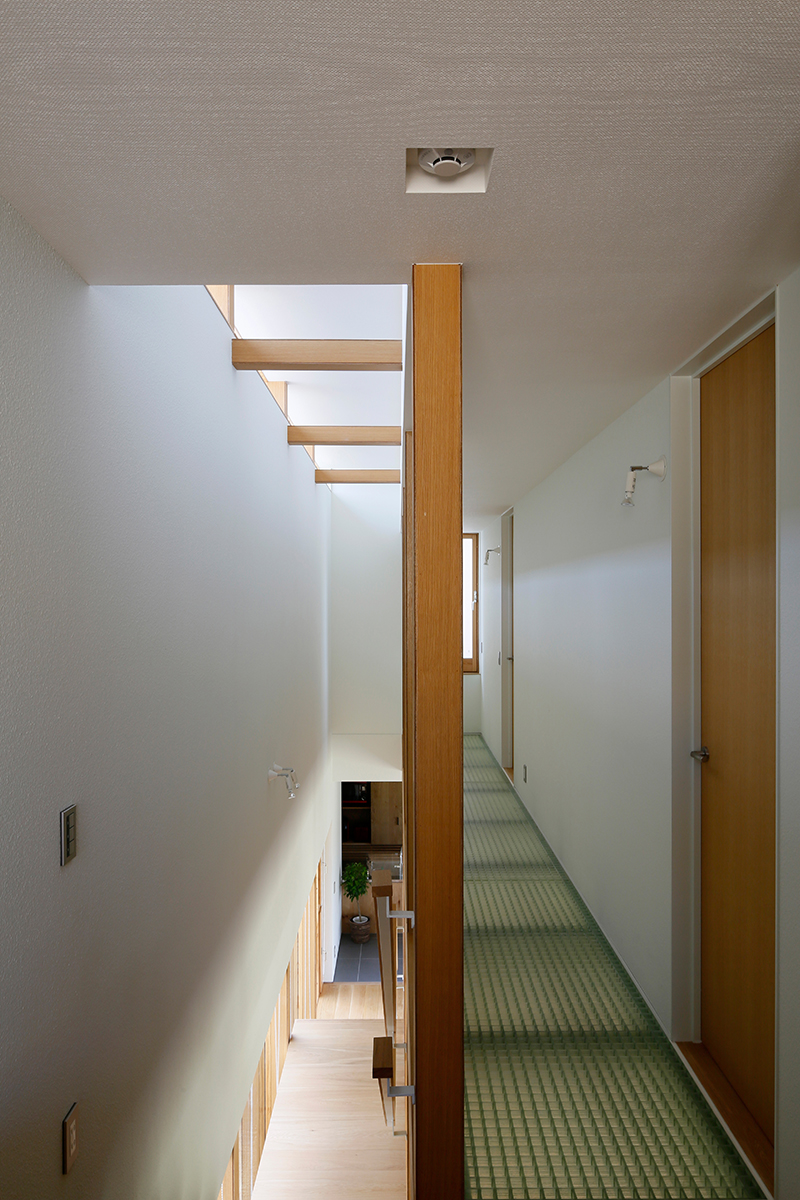
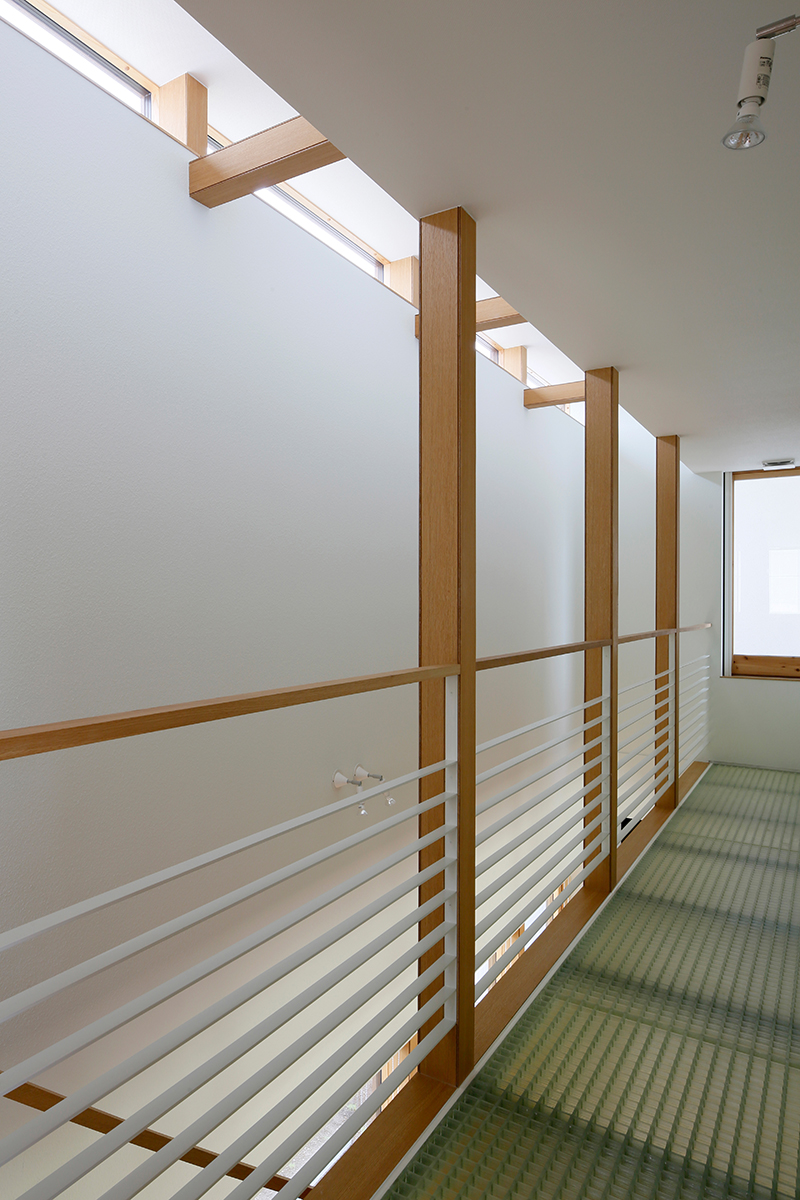
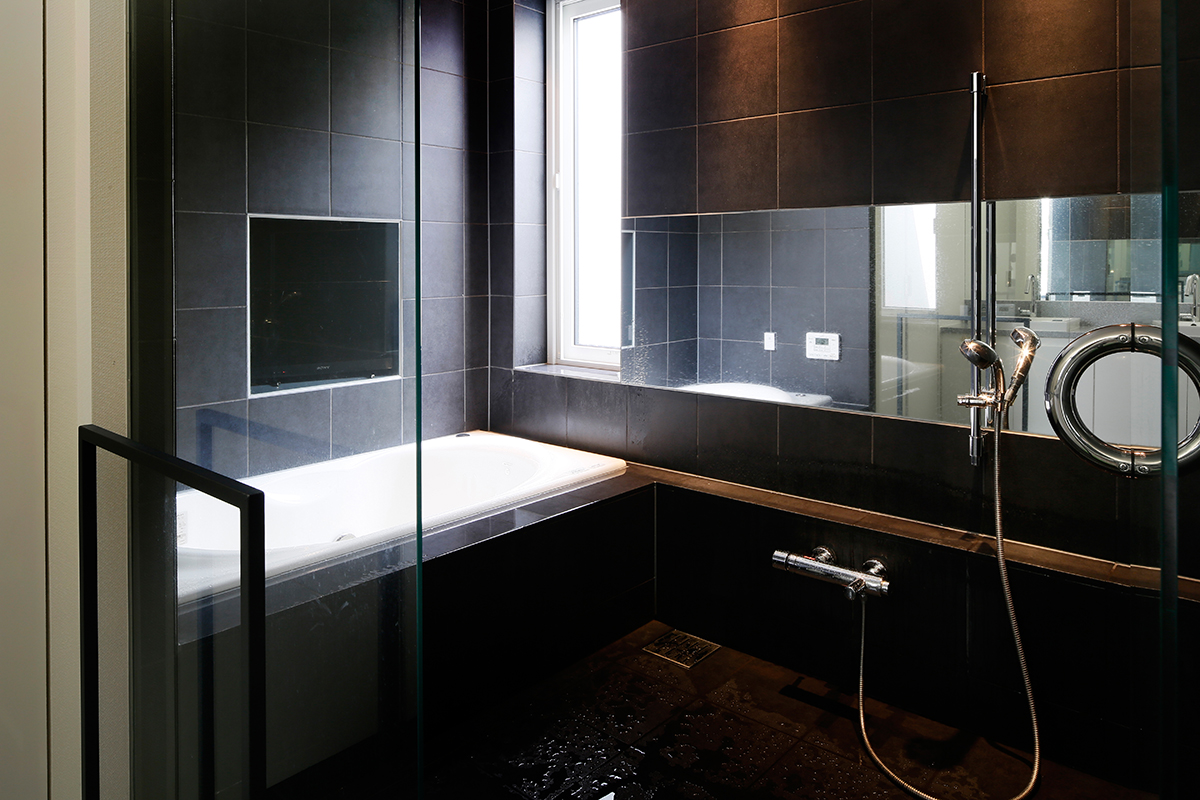
計画は、将来隣に建つご両親の住まいとの関係性から始まった。
物理的につなぐのではなく、視覚と気配によって結ぶことを目指している。
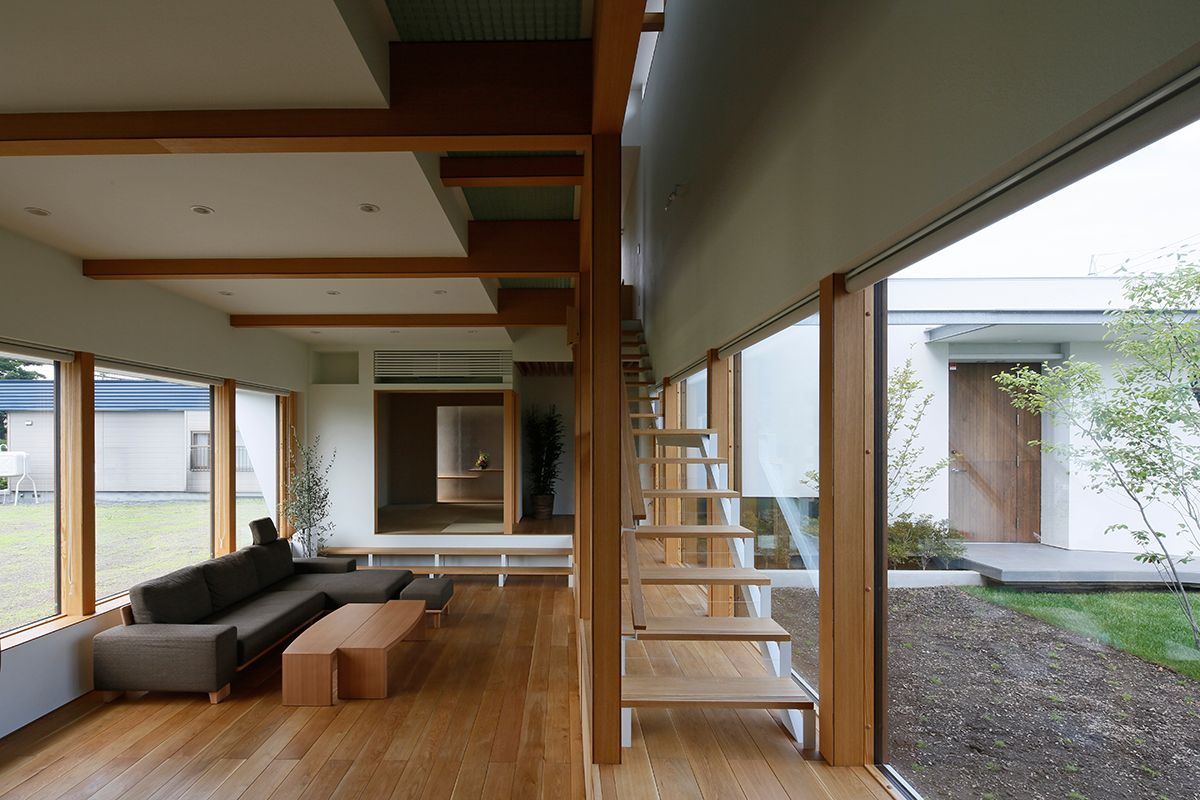
リビングは中庭と同じ床高さに設定し、
内外が連続する構成とした。
日常の中心に庭を置くことで、暮らしに奥行きを与えている。
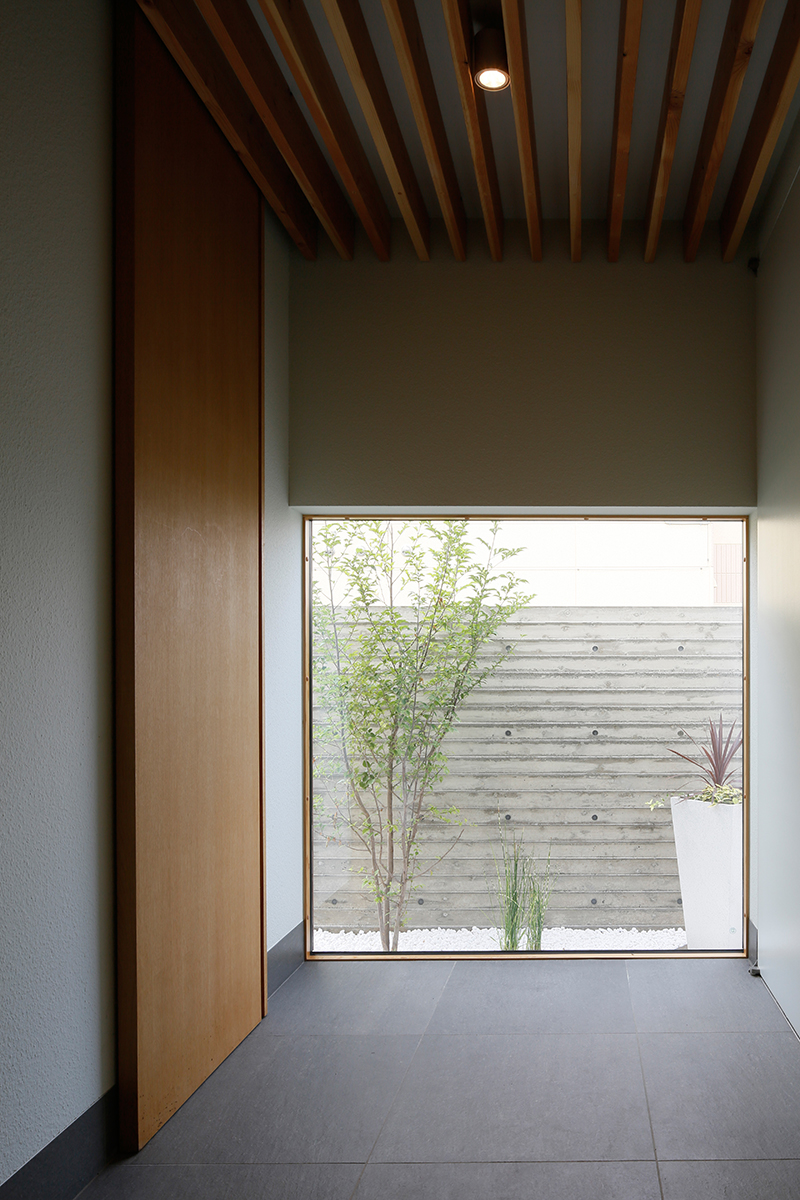
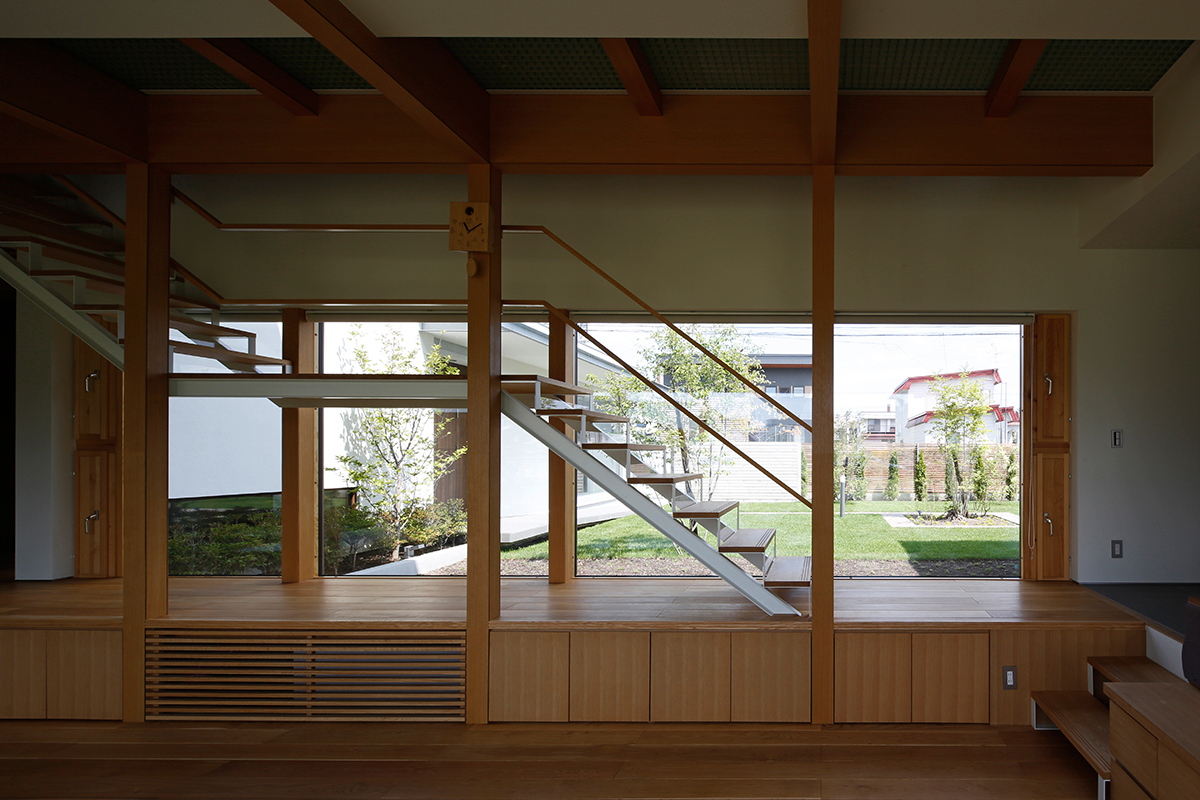
さらに反対側には、将来のご両親の庭に向けて大きな開口を設けた。
そこからは互いの存在がさりげなく感じ取れ、
その前後に自然の風景が重なり合う。
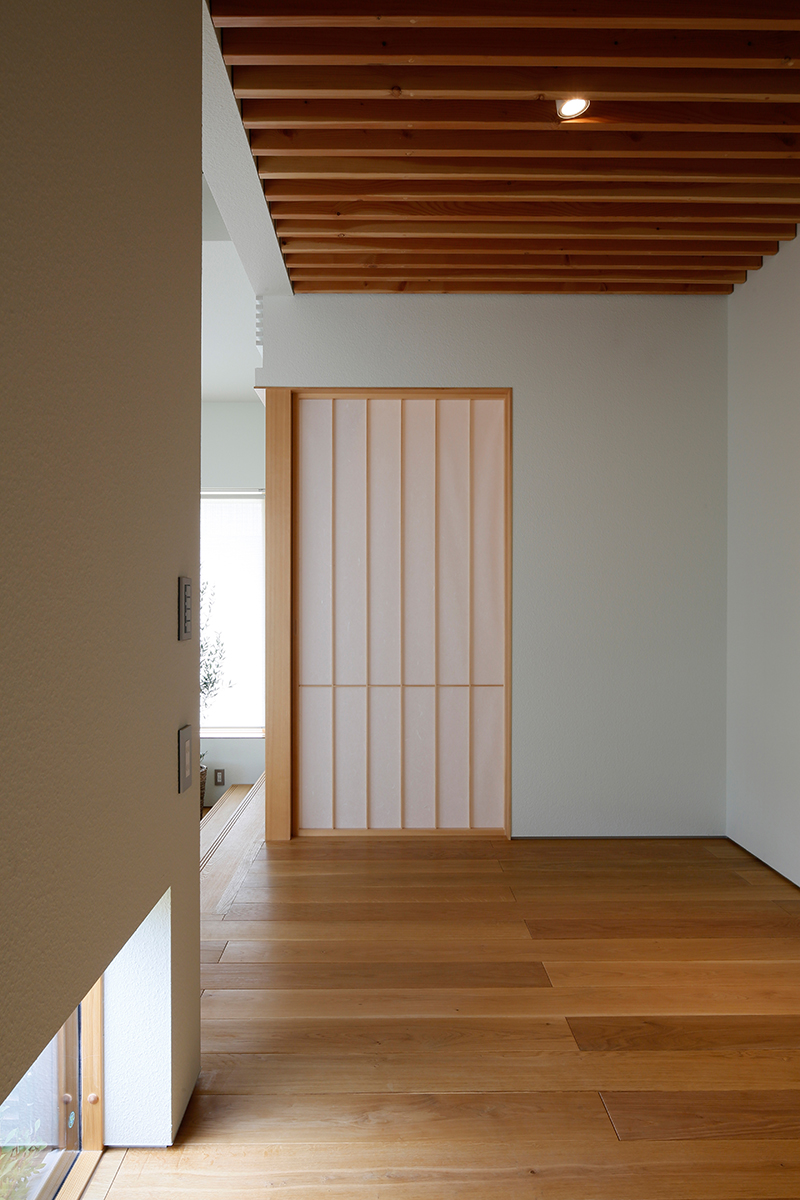
建築は主役ではなく、風景をつなぐ媒介として佇む。
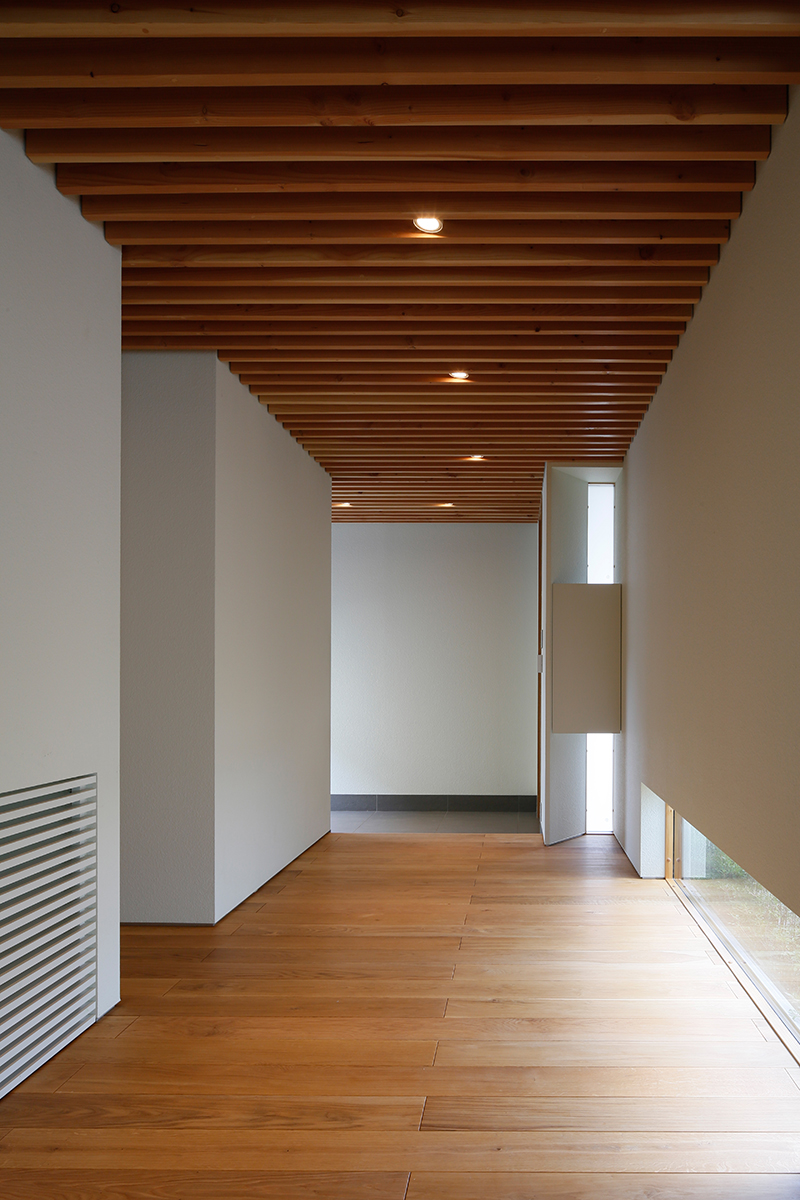
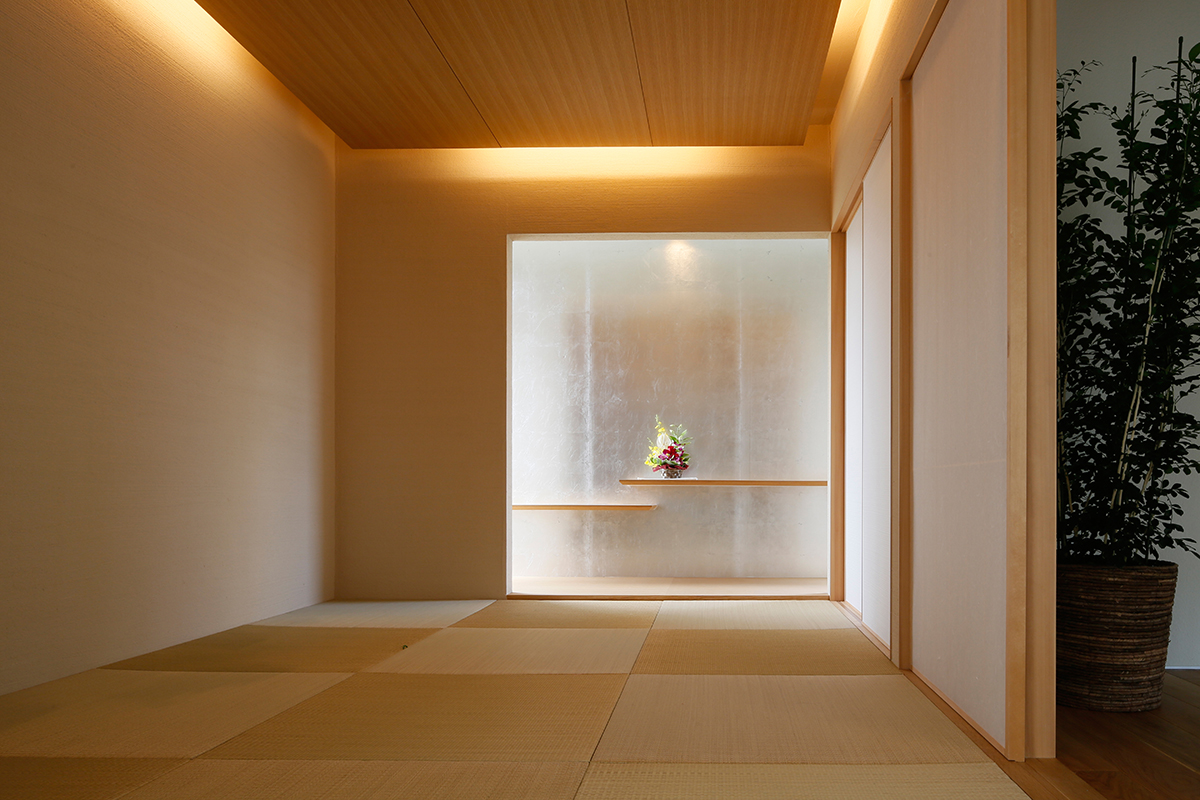
その他の空間ではあえて光を抑え、影を際立たせることで、
外部との関係をより意識できる構成とした。
二つの庭が向かい合い、
二つの家族の時間が静かに重なり合う住まいである。
The design began with the anticipated relationship between this house and the future home next door.
Rather than physically linking the two, the aim was to connect them through sightlines and subtle presence.
The living room is set at the same level as the courtyard floor,
allowing interior and exterior to flow seamlessly together.
By placing the garden at the heart of daily life, spatial depth and calm are created.
On the opposite side, a large opening faces the future garden of the parents’ house.
From there, each home can sense the other’s presence,
with layers of natural scenery unfolding in between.
The architecture does not assert itself;
instead, it acts as a mediator within the landscape.
In the remaining spaces, light is intentionally subdued and shadows are emphasized,
enhancing awareness of the exterior and reinforcing the connection between inside and outside.
Two courtyards.
Two households.
A quiet architectural dialogue across generations.