住まい
2026.02.16
2008-海の見える家|北海道小樽の住宅設計|プライバシーと光の住まい
住まい
2025.12.29
2018-la forêt|北海道札幌の住宅設計|森に面した住宅

商業・サービス施設
2026.02.26
2015-宮の森の家|札幌賃貸住宅設計|デザイン賃貸


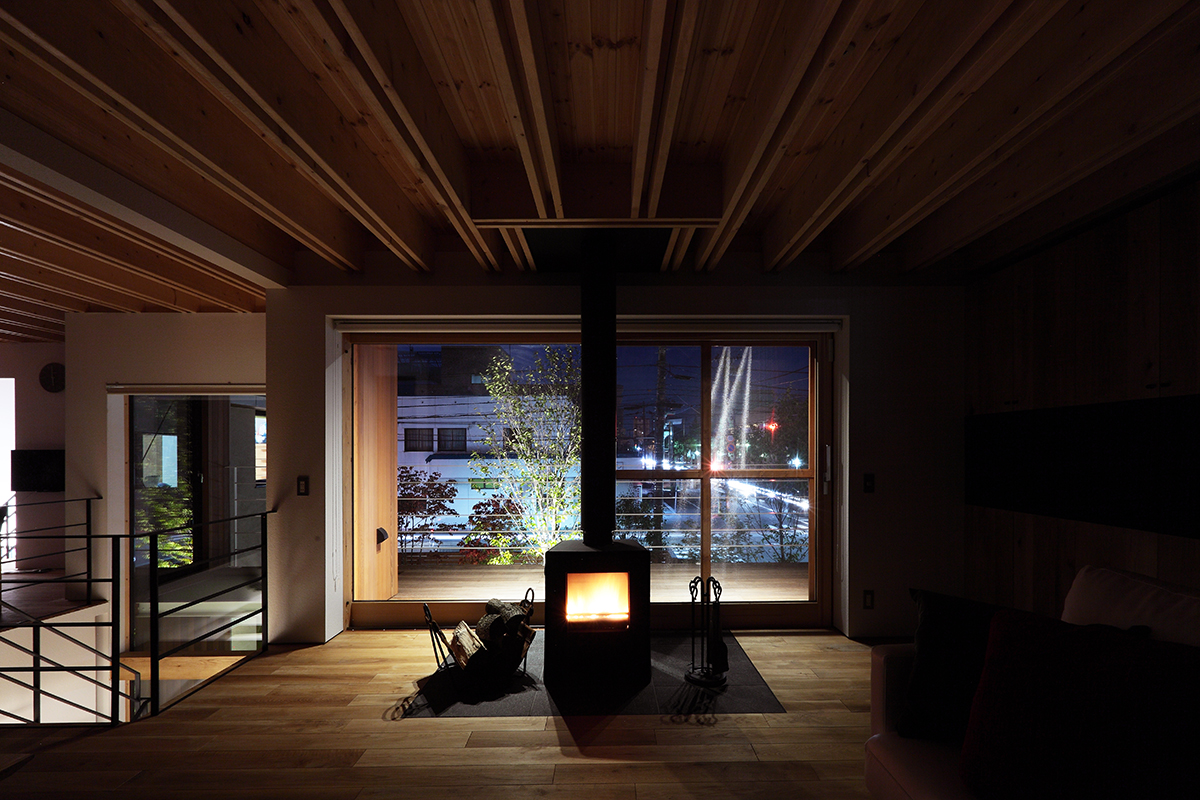
北海道札幌市東区の住宅設計。空へひらく眺望の住まい。
敷地は札幌市東区の住宅街。
周囲を見渡しても、視線の先に広がるのは空でした。
そこで住まいは、リビングからバルコニーへ、
そしてその先の空へと視線が連続していく構成としています。
水平に抜ける景色ではなく、
視線はゆるやかに上方へと導かれていきます。
空の広がりとともに暮らす住まいです。
A residential house in Higashi Ward, Sapporo, Hokkaido, designed to open toward the sky.
This house is located in a residential neighborhood in Higashi Ward, Sapporo.
Looking around the site, the only open view that remained was the sky.
The living room extends toward a balcony, creating a spatial sequence that leads the eye upward toward the sky.
Rather than a horizontal view, the space gently guides the gaze upward, allowing the sky and light to become part of everyday living.
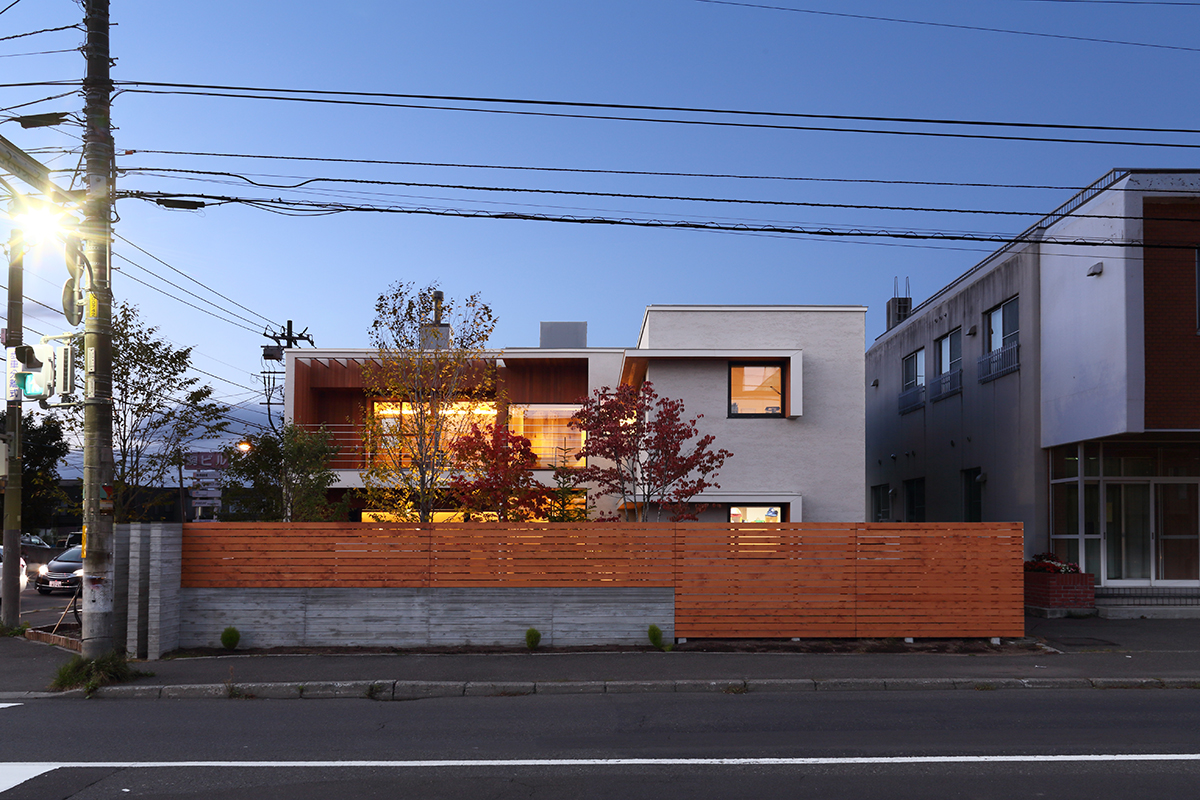
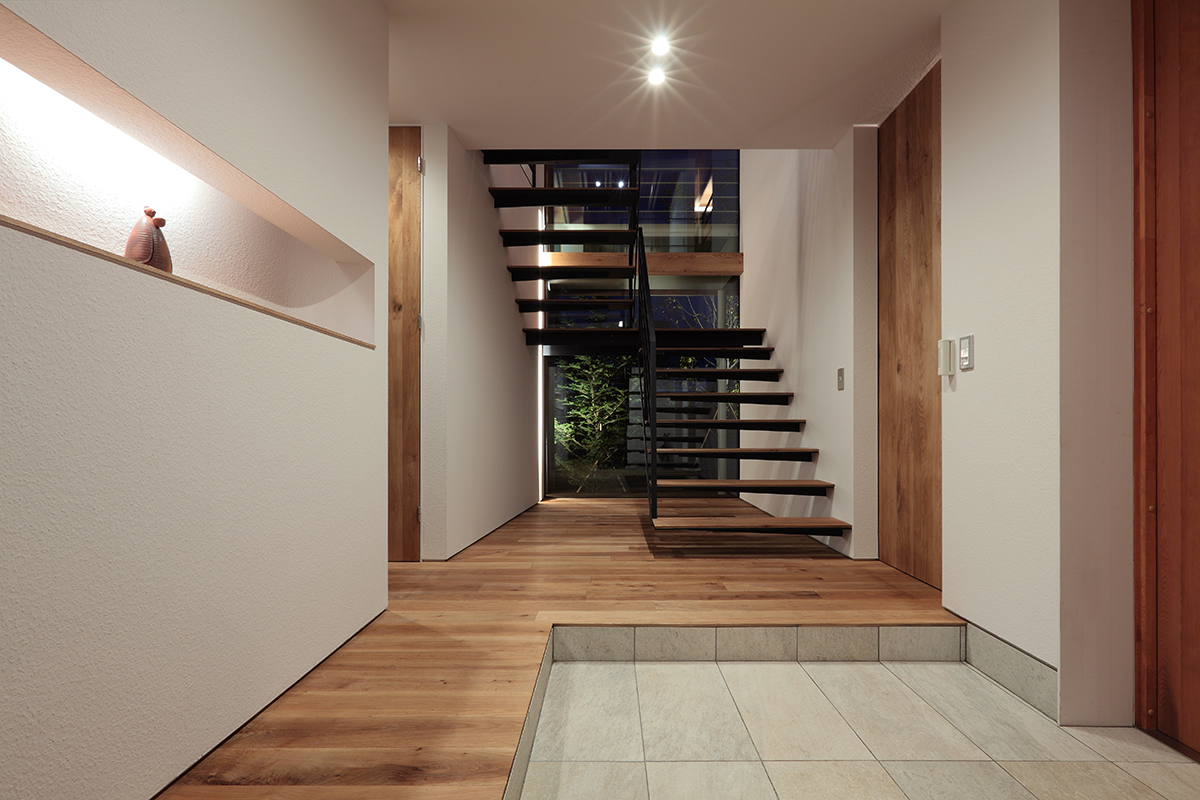
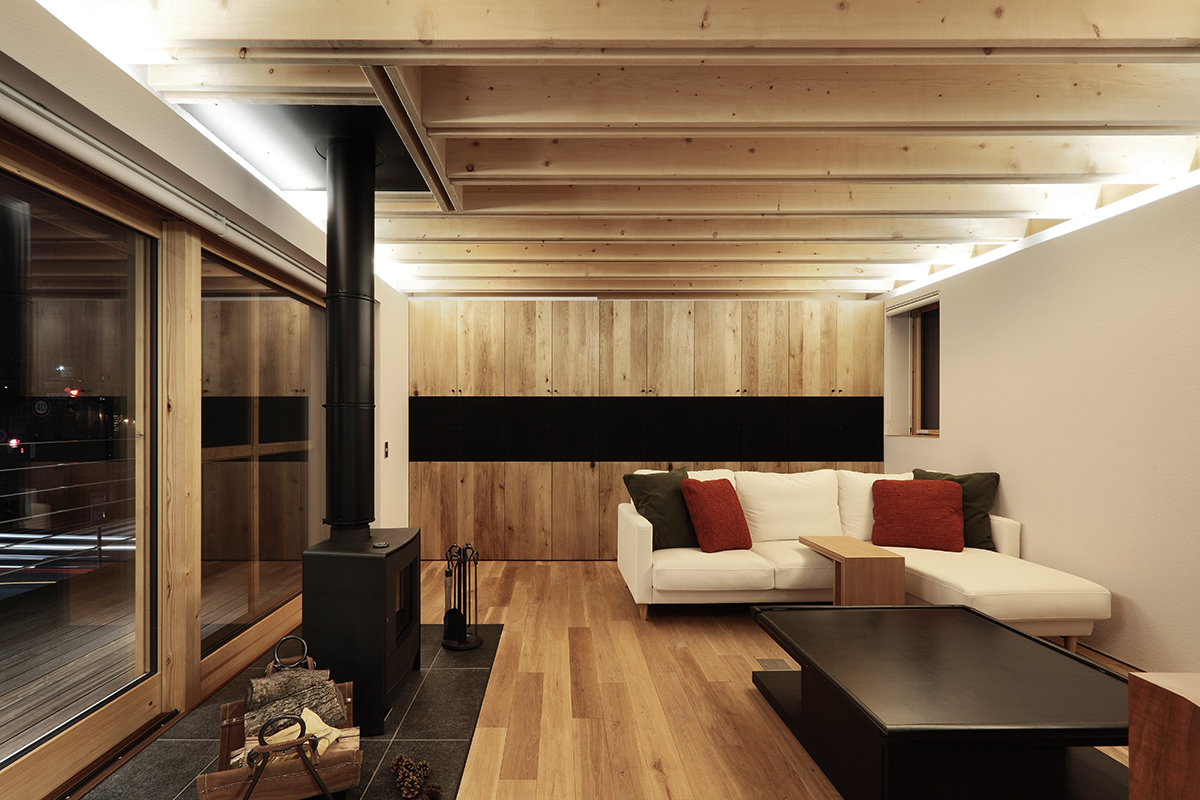
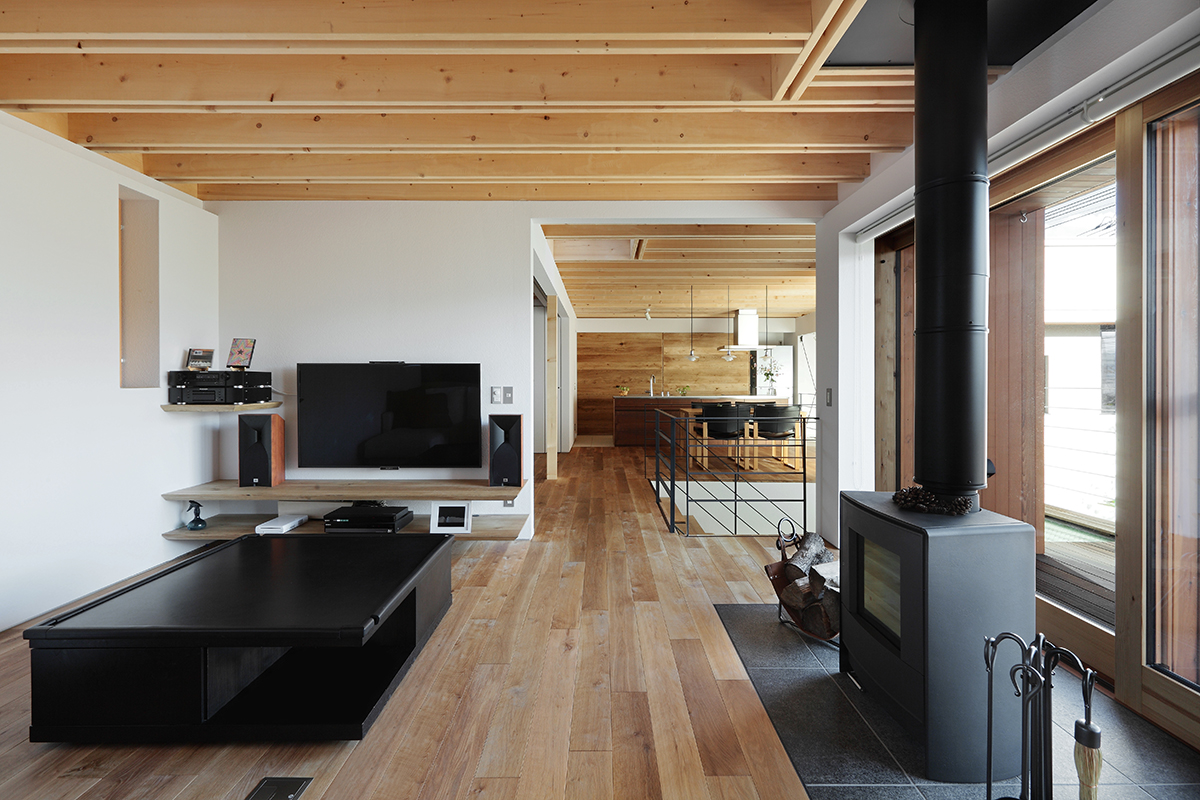
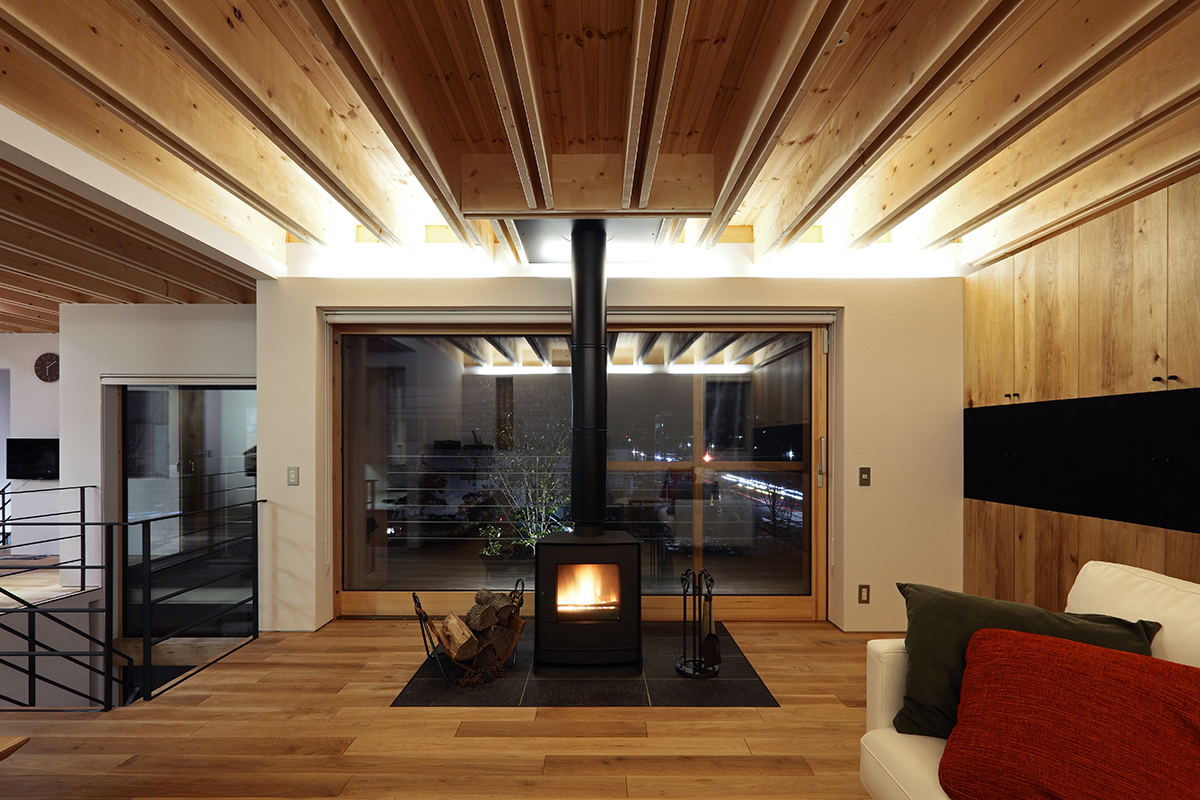
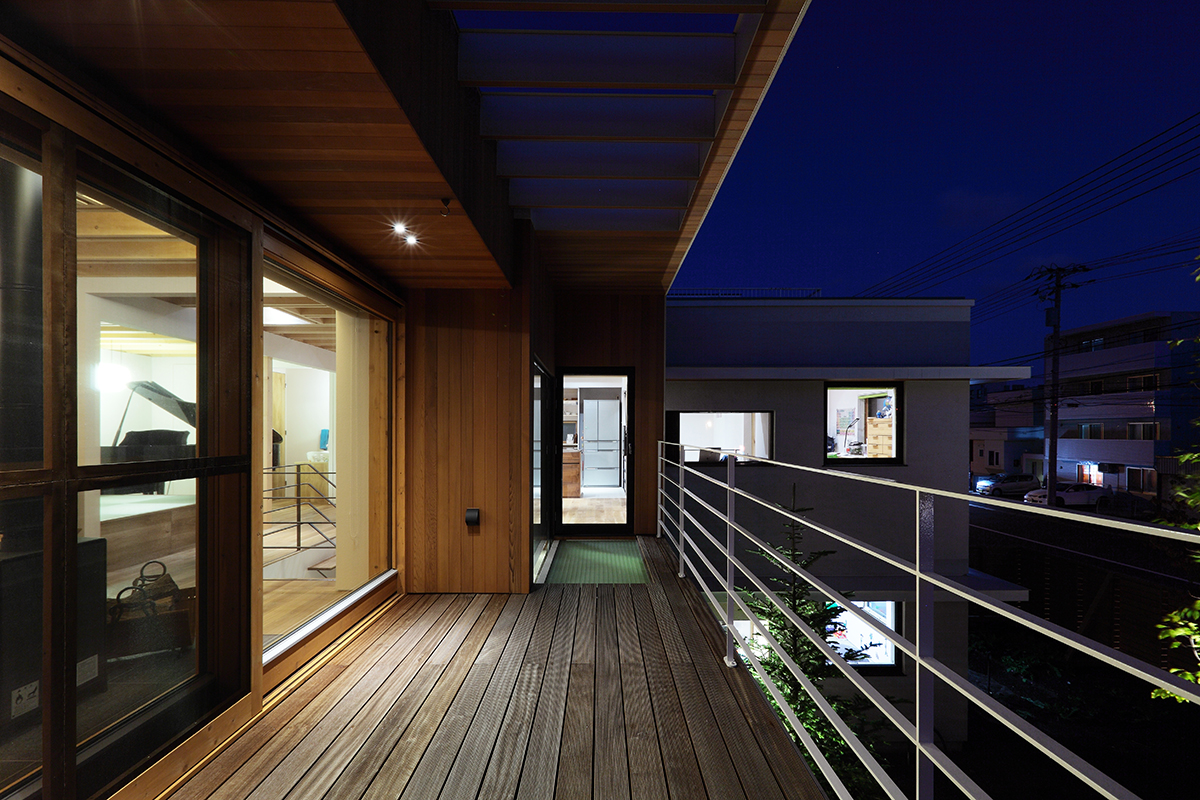
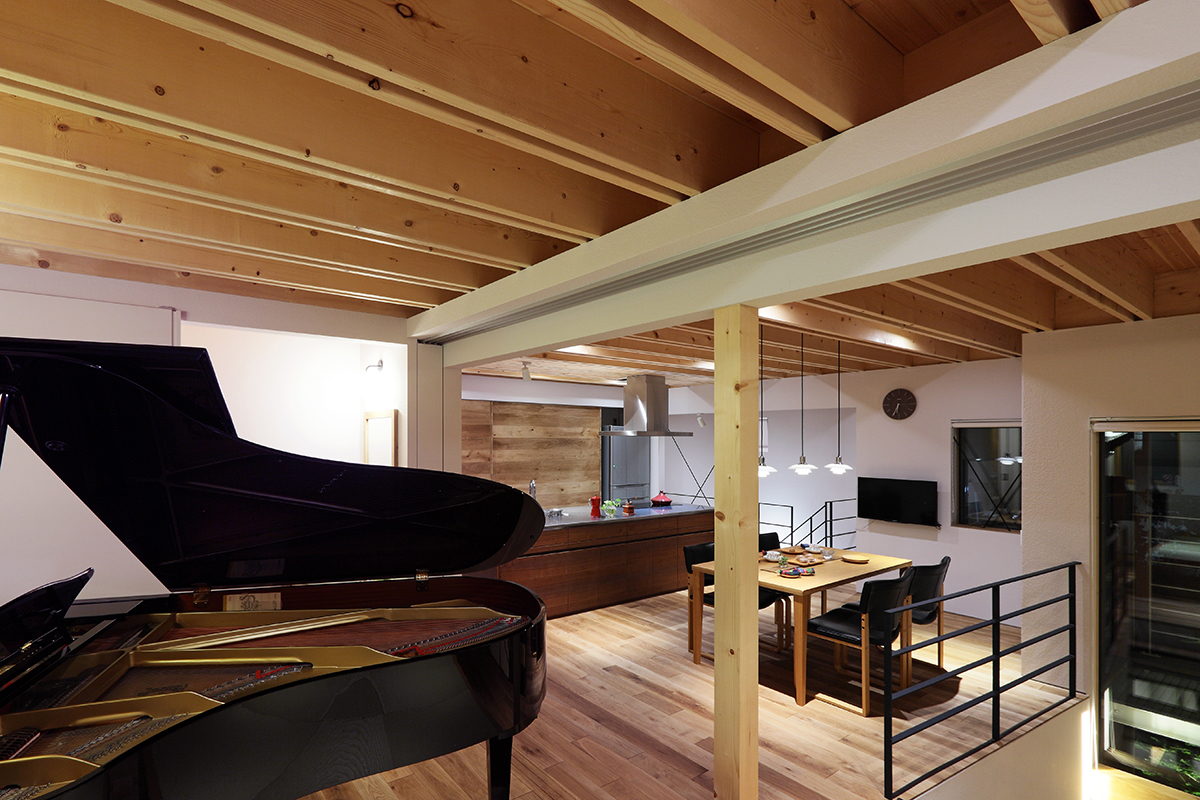
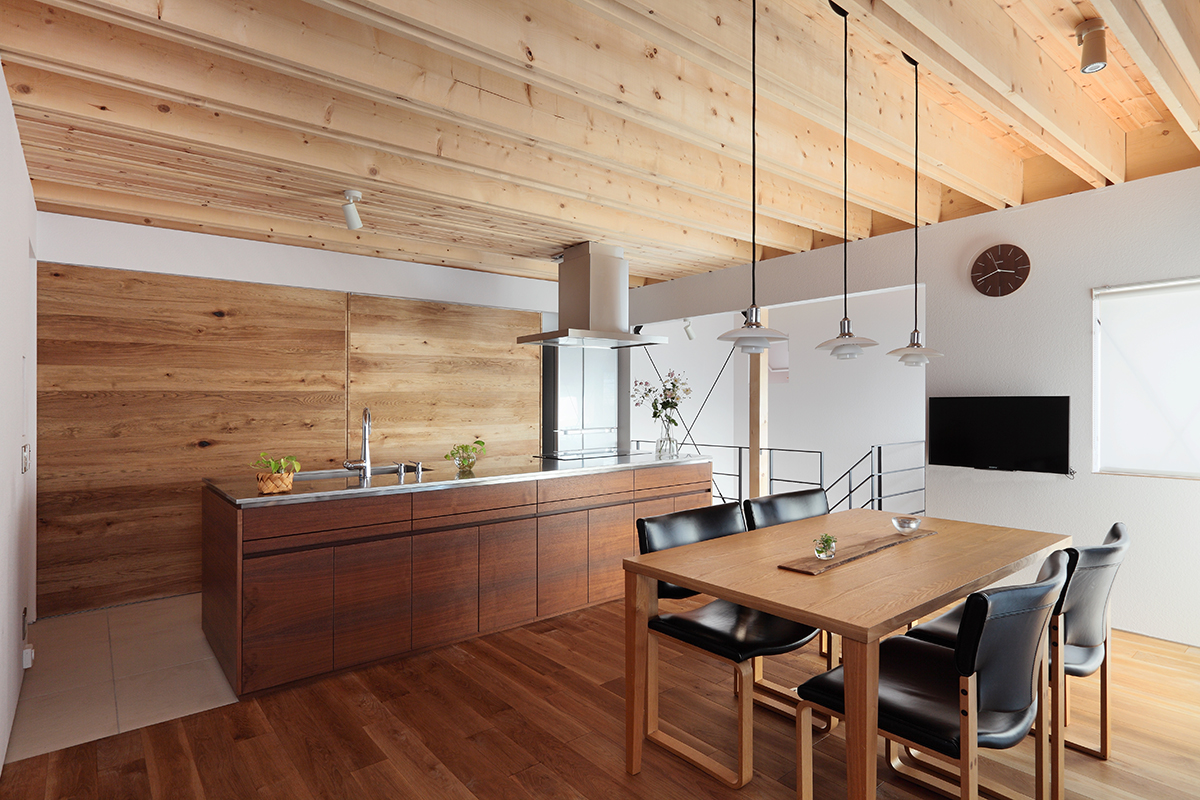
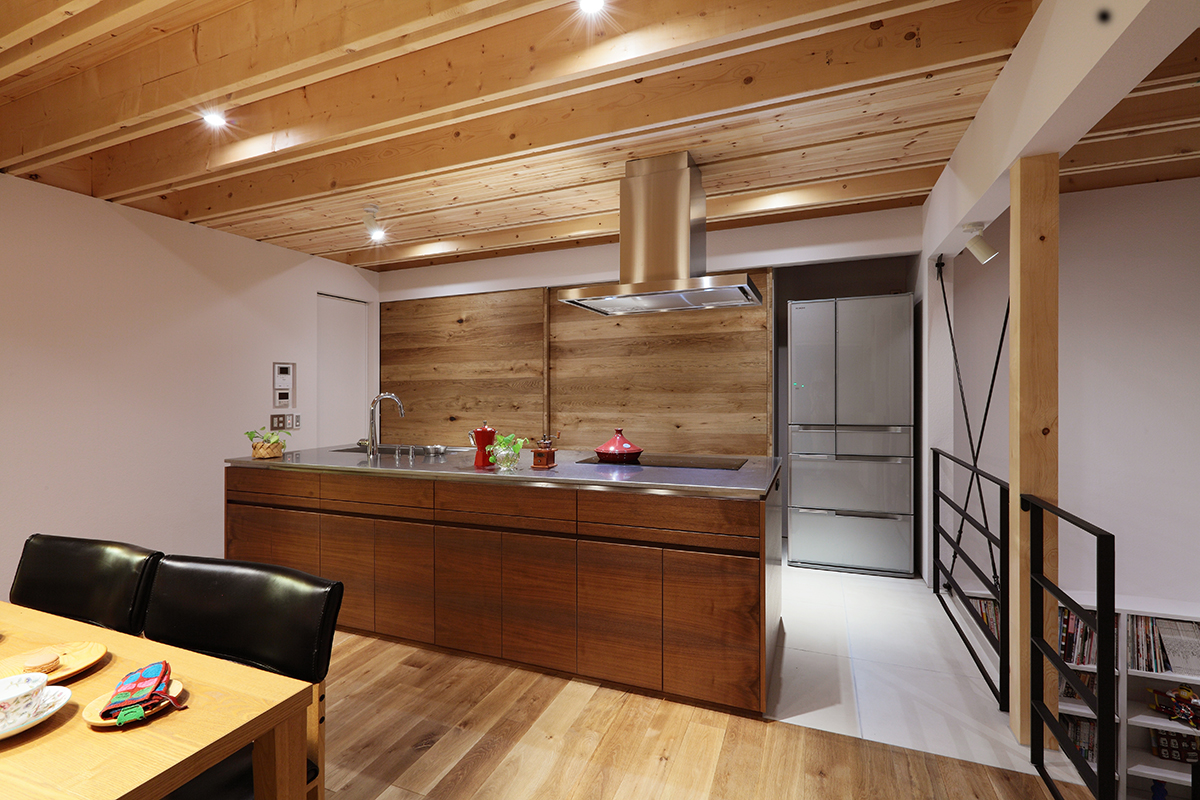
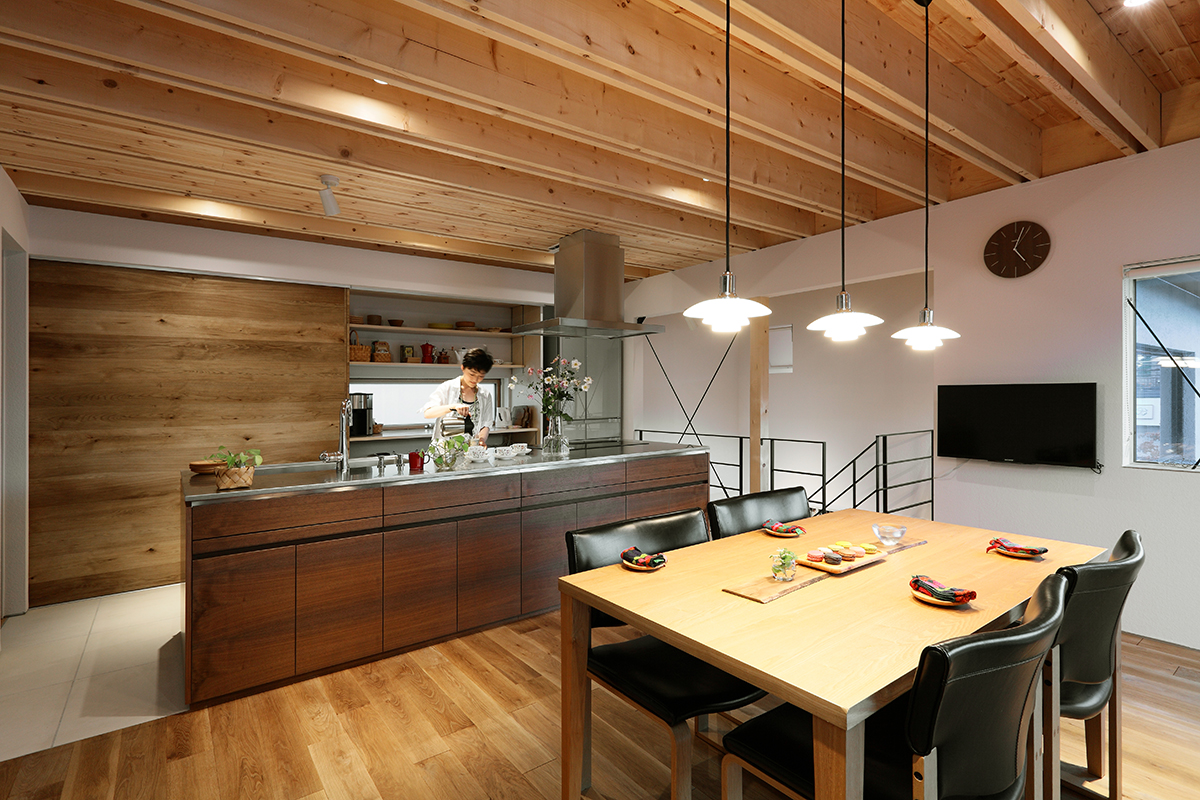
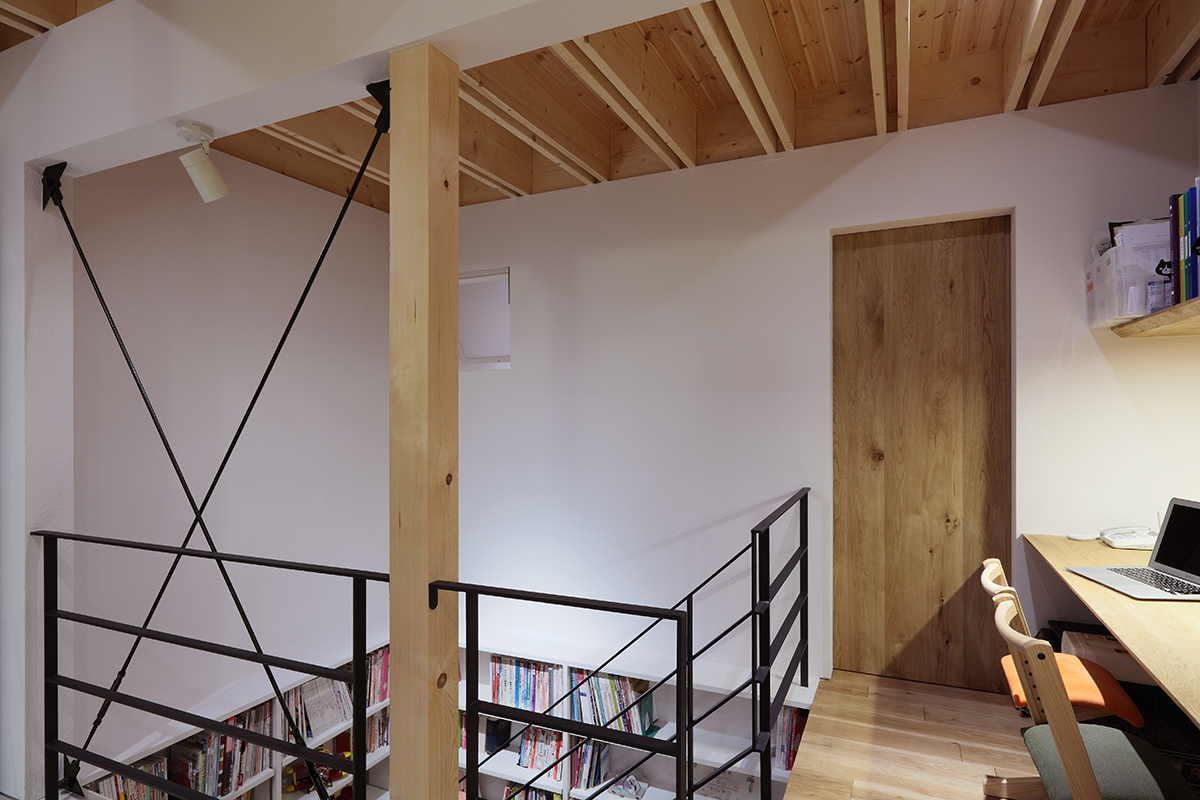
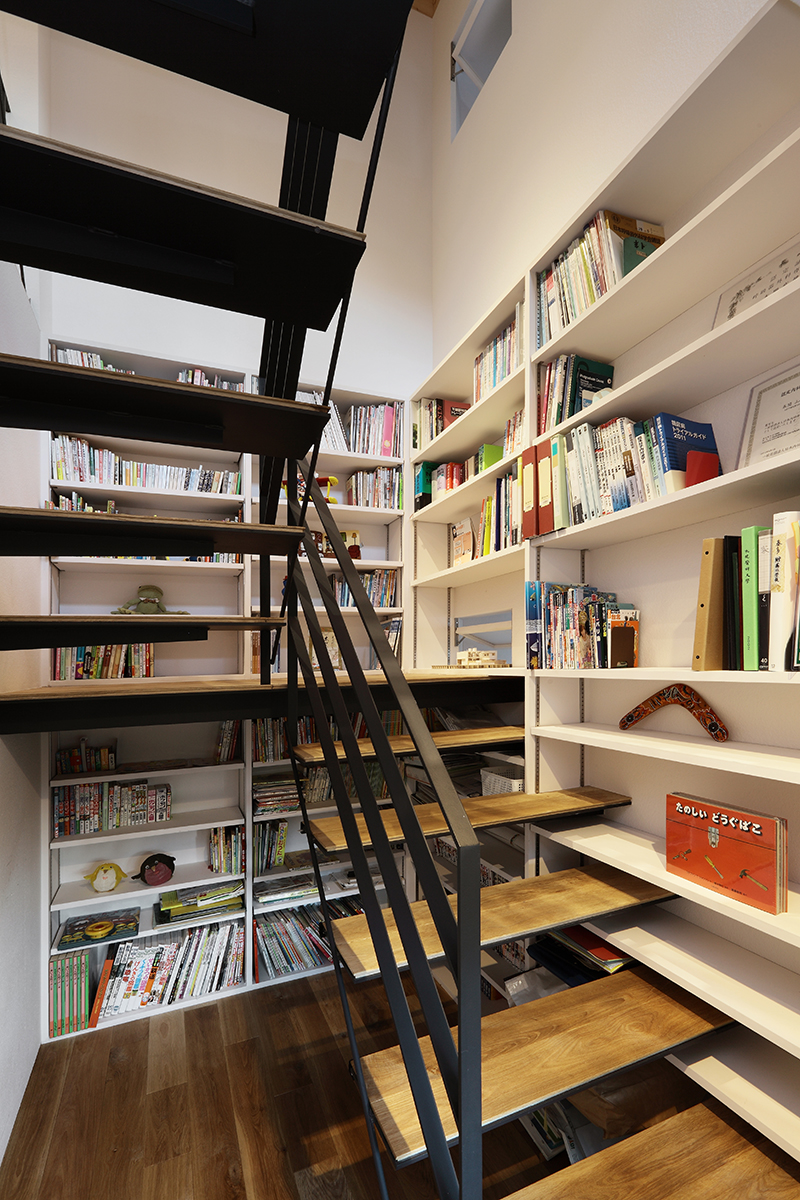
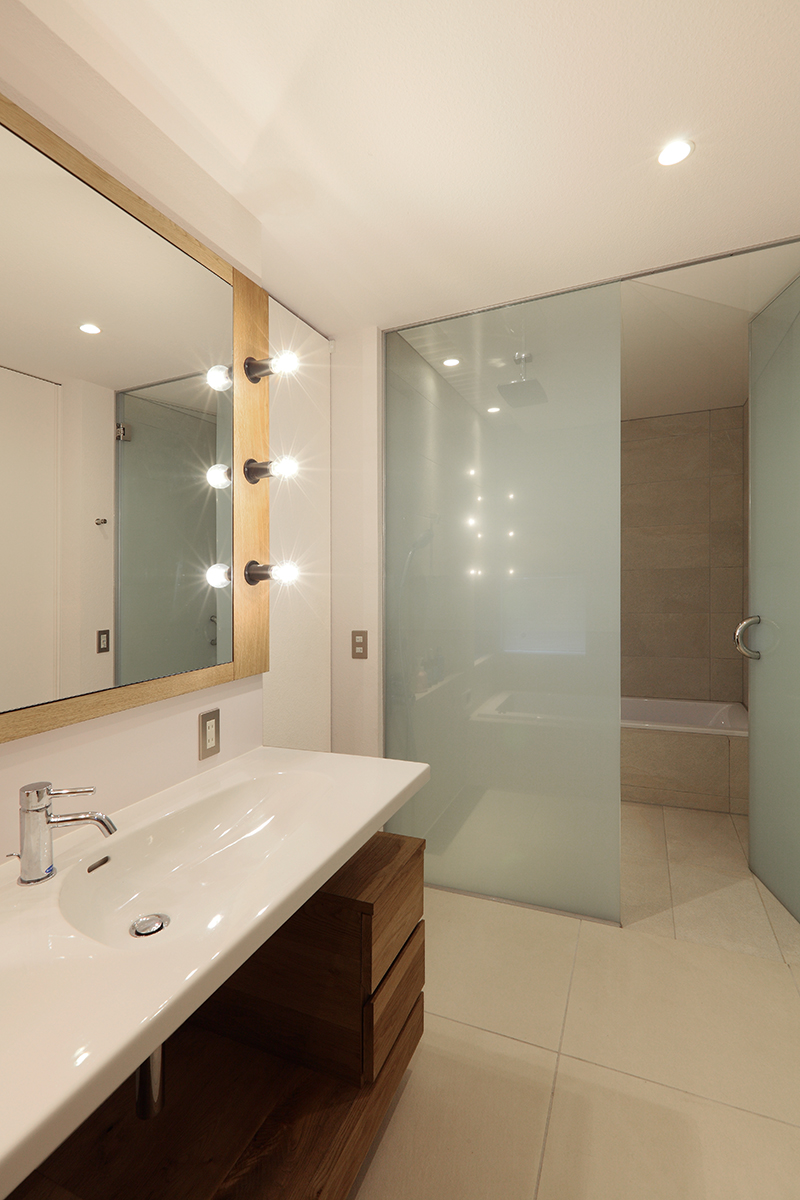
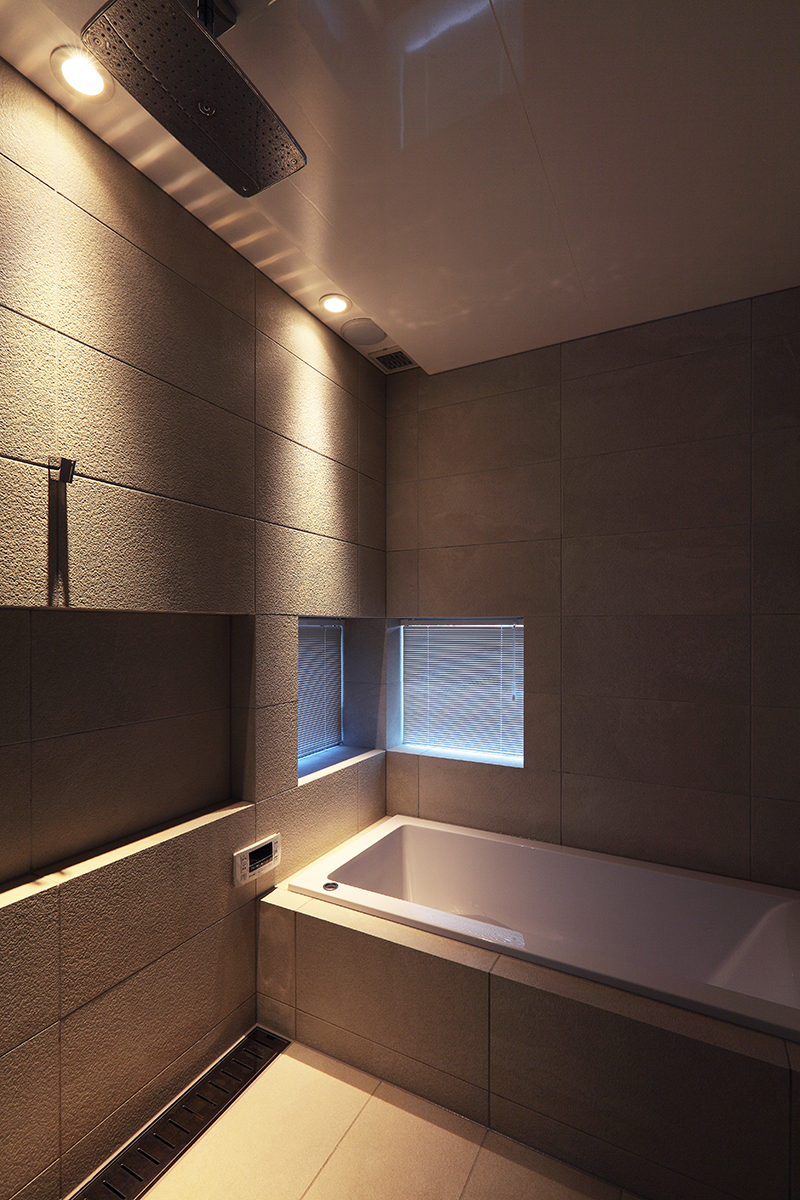
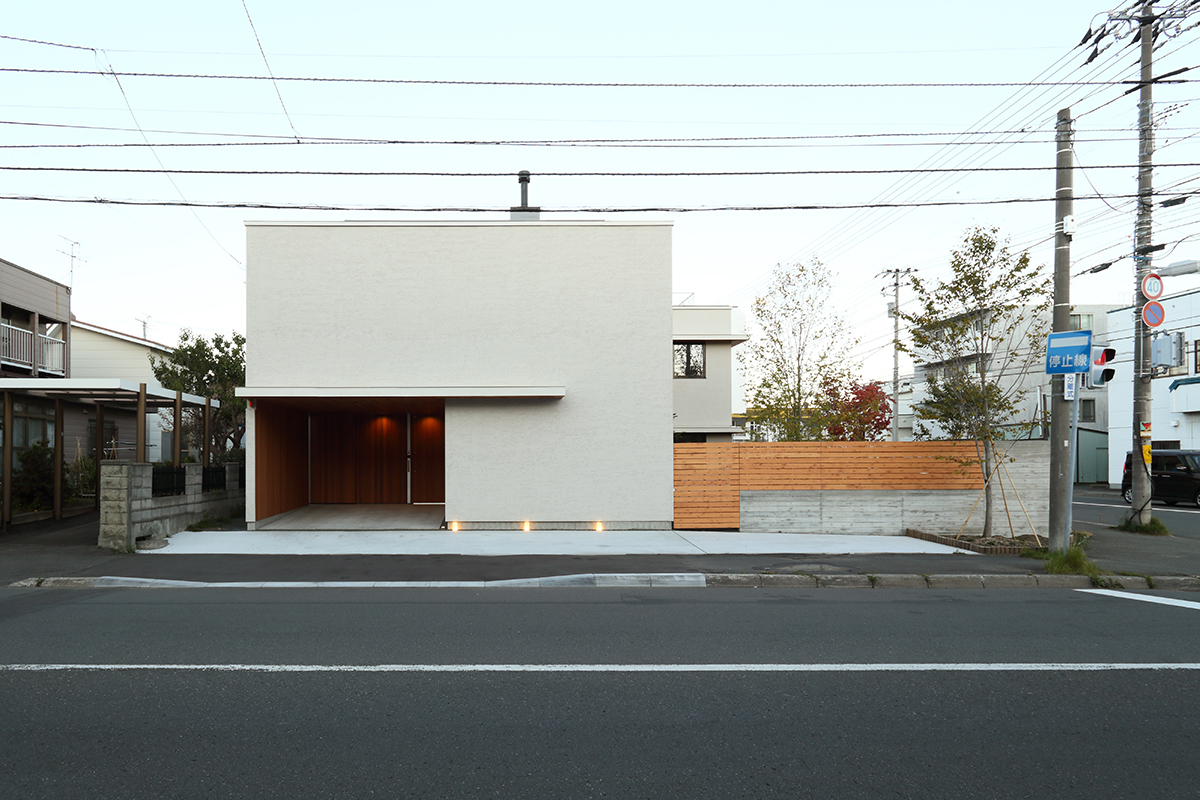
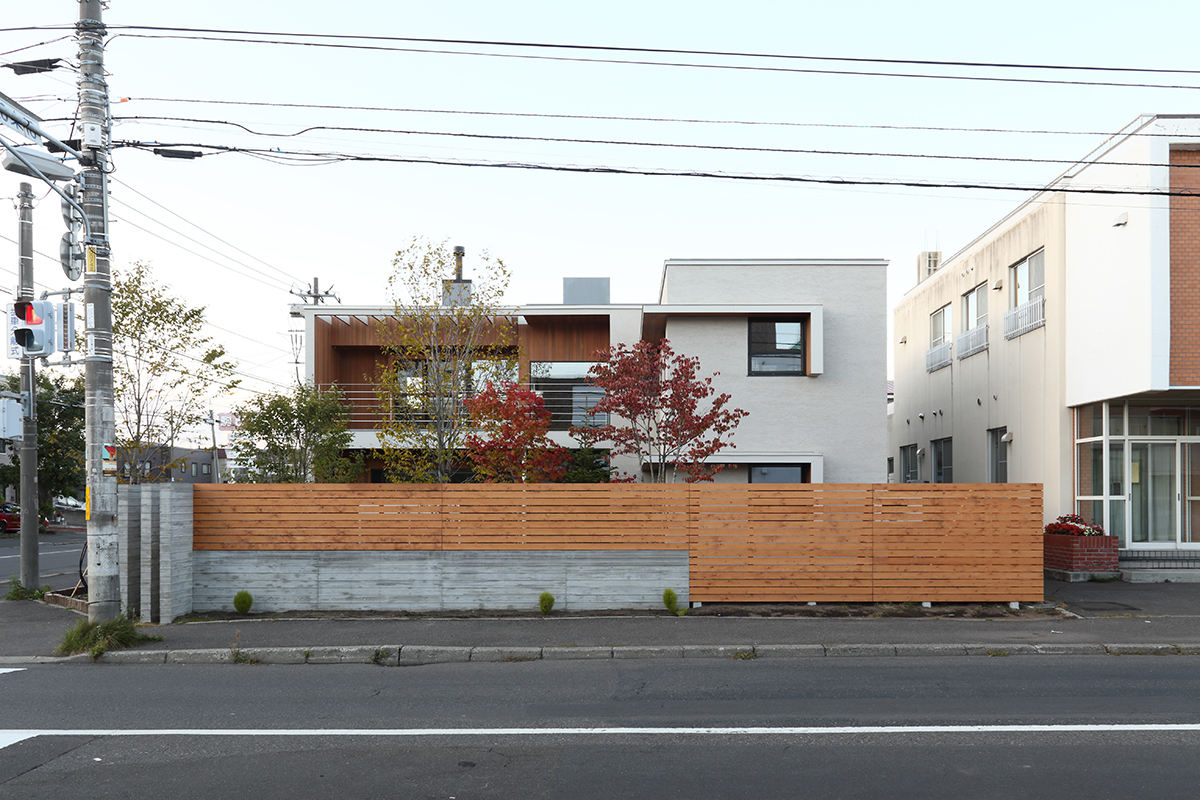
敷地は札幌市東区の住宅地に位置し、
周囲に際立った風景要素はなく、唯一の広がりは空であった。
本計画では、その空を最大限に取り込むため、
リビングからバルコニーへ、さらに空へと視線が連続するプランを構成した。
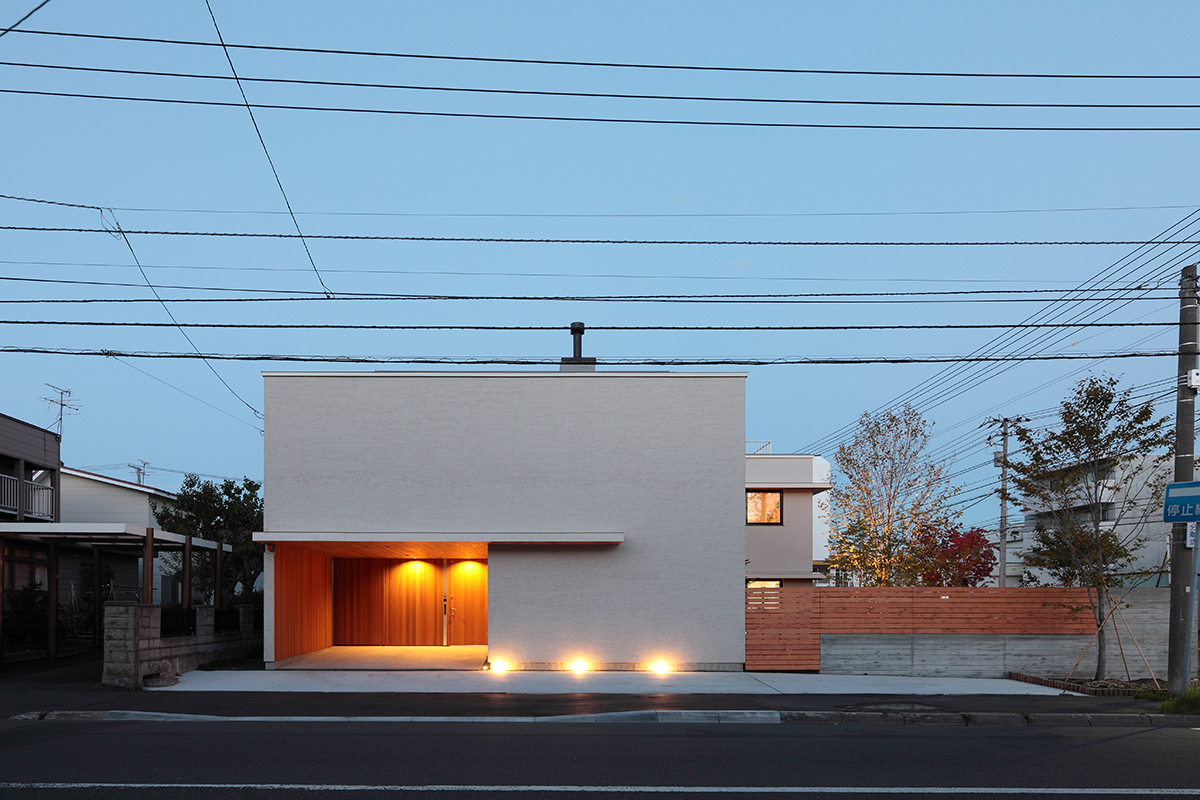
リビング南面の大開口には日射制御を兼ねた庇を設け、
その先端をルーバーとすることで、
太陽が生み出す光と影が時間とともに建物にストライプ状の表情を与える。
外壁はやや粗めの左官仕上げとし、
素材の質感が陰影によって際立つよう計画した。
自然現象そのものが、建築の意匠を刻んでいく。
また、高断熱仕様とすることで室内環境の安定を図りながら、
夏季に2階へ滞留しがちな熱気は、
北向きに設けたトップライトによって排出する計画とした。
安定した拡散光を取り込みつつ通風を確保することで、
非常に快適な居住環境を実現している。
風景を外に求めるのではなく、
空と光を建築に取り込み、
時間の移ろいを感じながら暮らす住まいである。
The site sits within a quiet residential area of Higashi Ward, Sapporo.
Looking around, there were no prominent landscape features—only the sky offered a sense of openness.
The design therefore centers on capturing that vertical expanse.
The living room flows seamlessly onto the balcony,
and visually beyond, toward the sky above.
A deep eave is installed over the large south-facing window of the living room for solar control.
Its leading edge is composed of louvers,
allowing sunlight and shadow—natural phenomena—to cast shifting striped patterns across the building at certain hours of the day.
The exterior walls are finished in a slightly rough-textured plaster.
As sunlight moves across the surface,
the interplay of light and shadow accentuates the material’s tactile quality,
allowing nature itself to animate the façade.
While the house is highly insulated to ensure thermal stability,
heat can accumulate on the second floor during summer.
To address this, a north-facing skylight introduces stable, diffused daylight
while also functioning as a thermal chimney to release rising warm air.
The result is a remarkably comfortable interior environment—
a house that does not seek scenery in its surroundings,
but instead frames the sky, light, and the passage of time as its primary landscape.