住まい
2026.02.24
2013-ANGLE|北海道江別の住宅設計|ウッドデッキを楽しむ家
別荘
2025.12.29
2024-Taku / 拓|北海道道東の別荘設計|草原の別荘

商業・サービス施設
2026.02.26
2015-宮の森の家|札幌賃貸住宅設計|デザイン賃貸


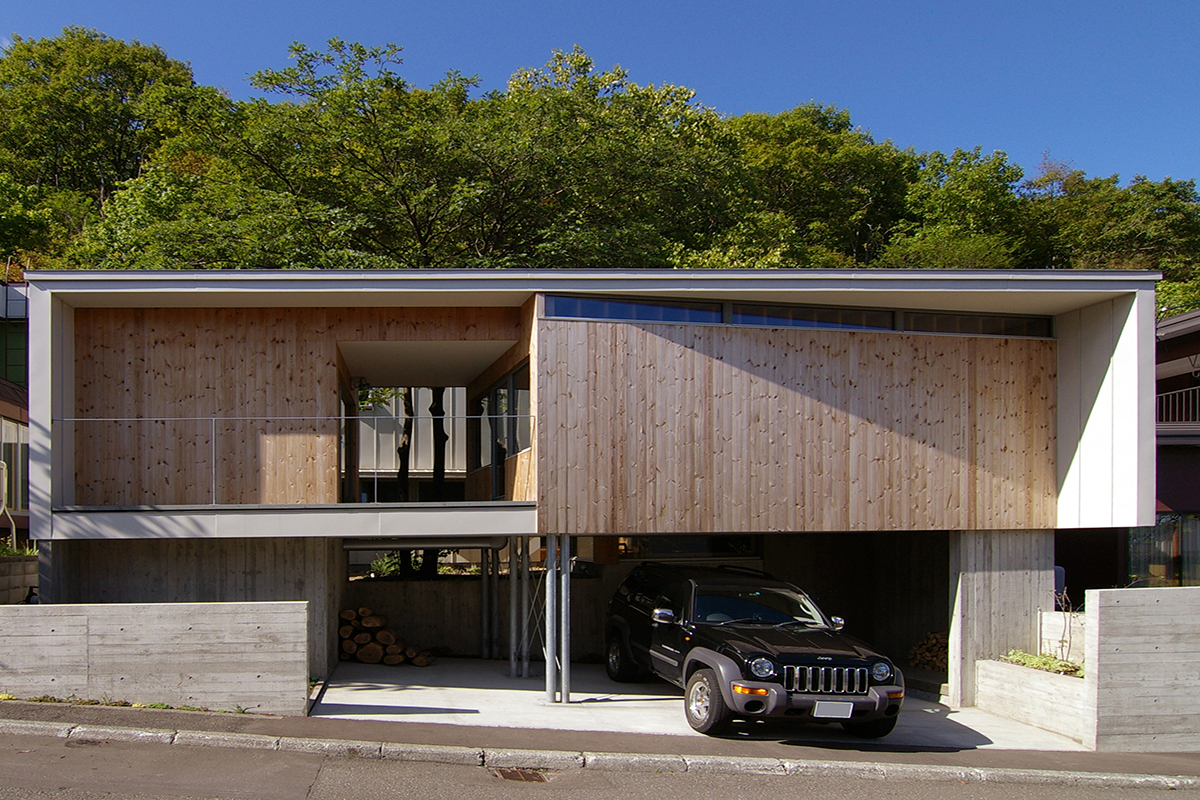
北海道札幌市の森と住宅街の間の住宅設計。森とイヌエンジュに寄り添う住まい。
敷地は札幌の小高い丘。
30年ものあいだ、何も建つことのなかったひな壇の土地でした。
ただ一本、イヌエンジュだけが
枝を広げ、この場所に立ち続けていました。
背後には森。
足元には街。
建築は、そのあいだに
そっと身を置くことから始まりました。
木と森、そして街のあいだで、
静かに暮らしが重なっていく住まいです。
A residential house in Sapporo, Hokkaido, designed alongside an existing Enju tree and surrounding forest.
The house is located on a small hill in Sapporo.
For nearly thirty years, nothing had been built on this terraced site.
Only a single Enju tree stood there,
its branches quietly spreading across the land.
Behind the site lies a forest.
Below it, the city unfolds.
The architecture began by placing itself gently between these two landscapes.
The house sits quietly between the tree, the forest, and the town,
allowing everyday life to unfold within this delicate balance.
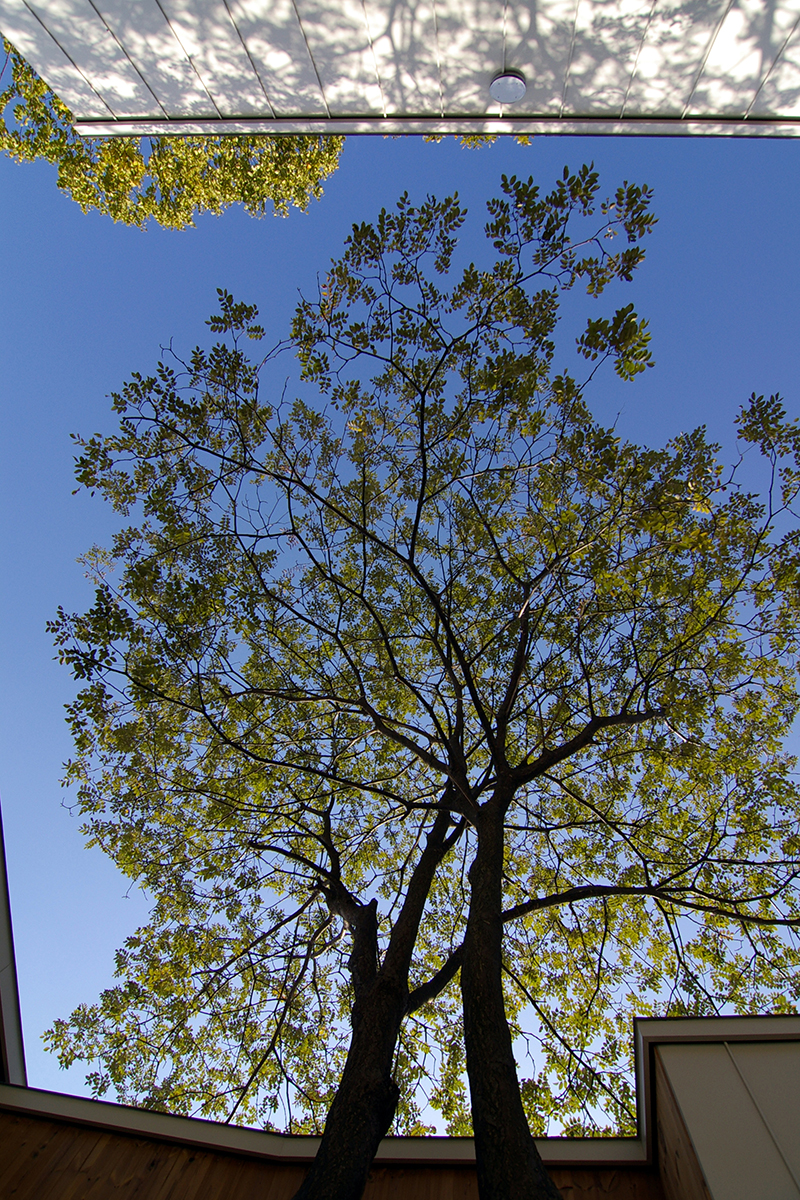
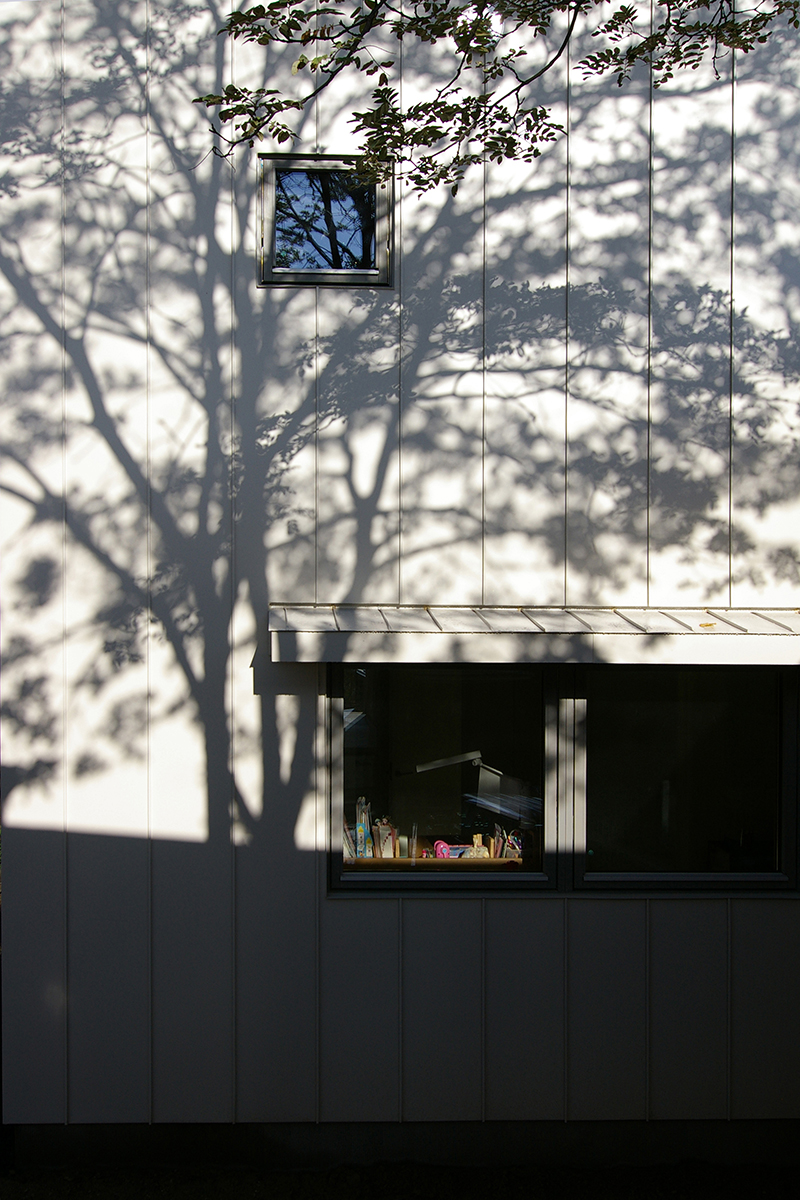
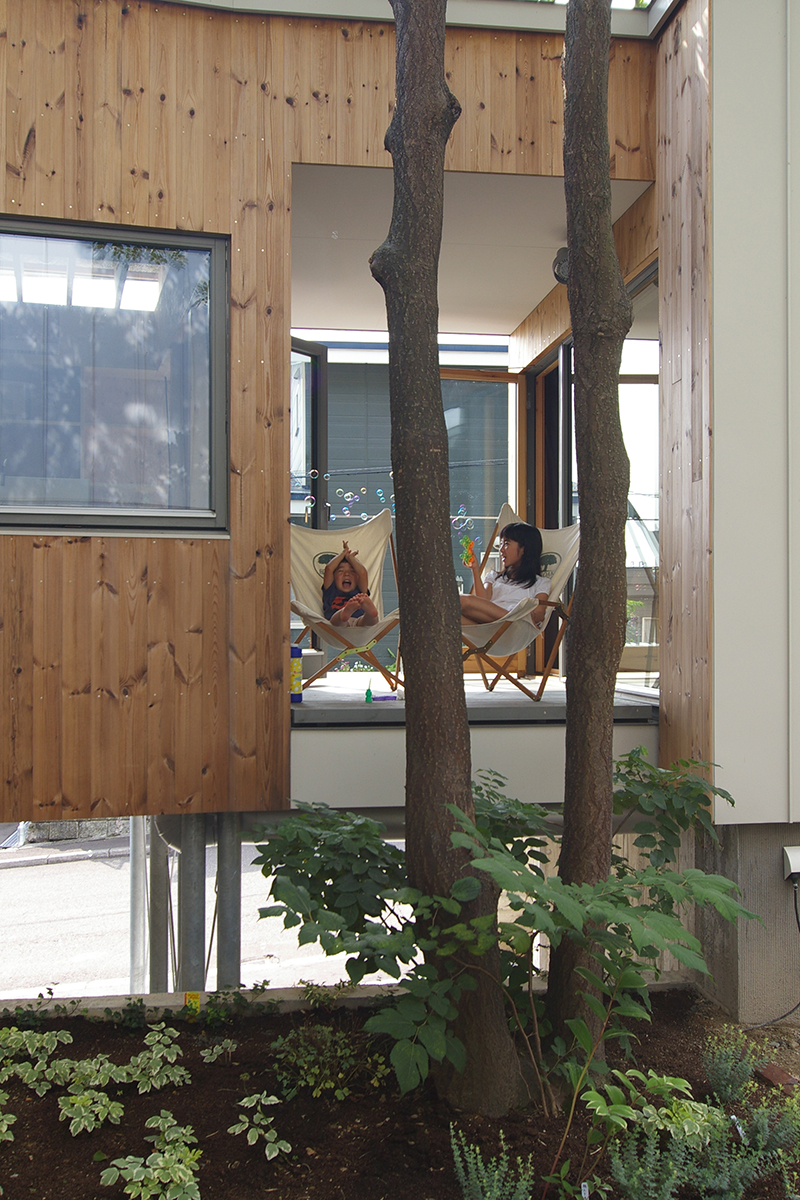
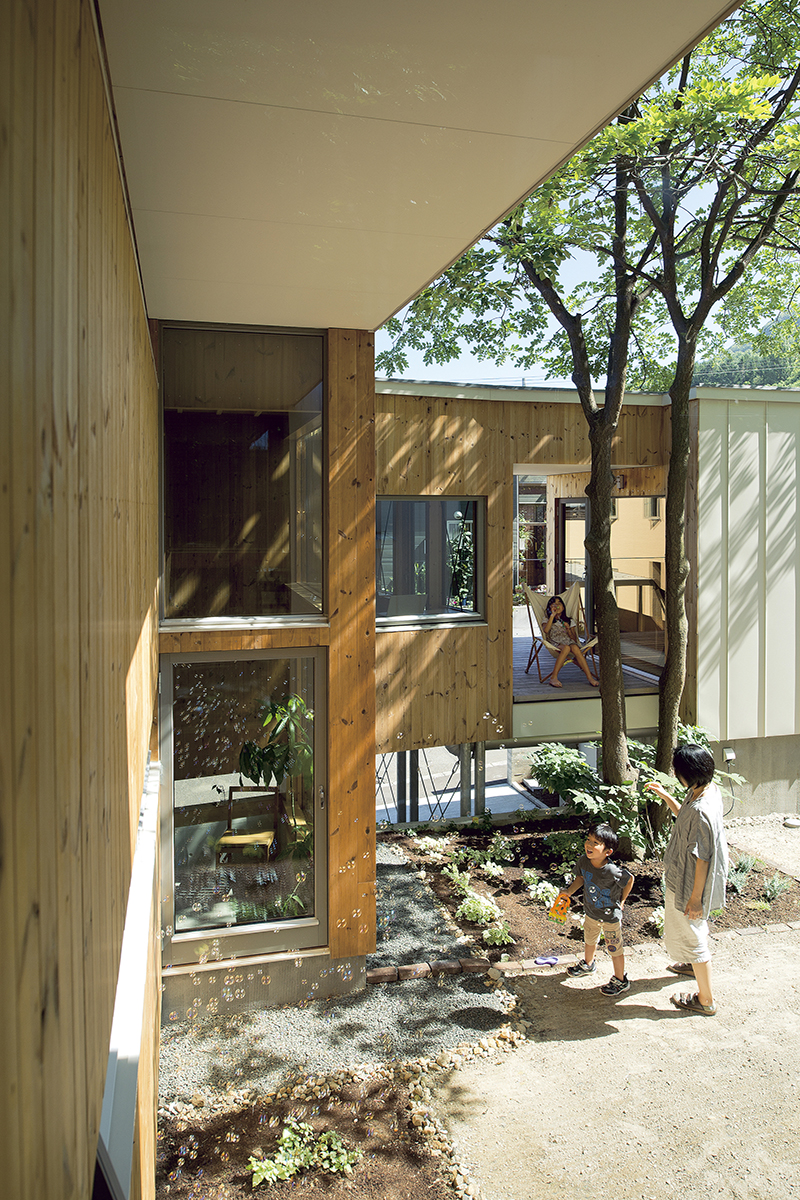
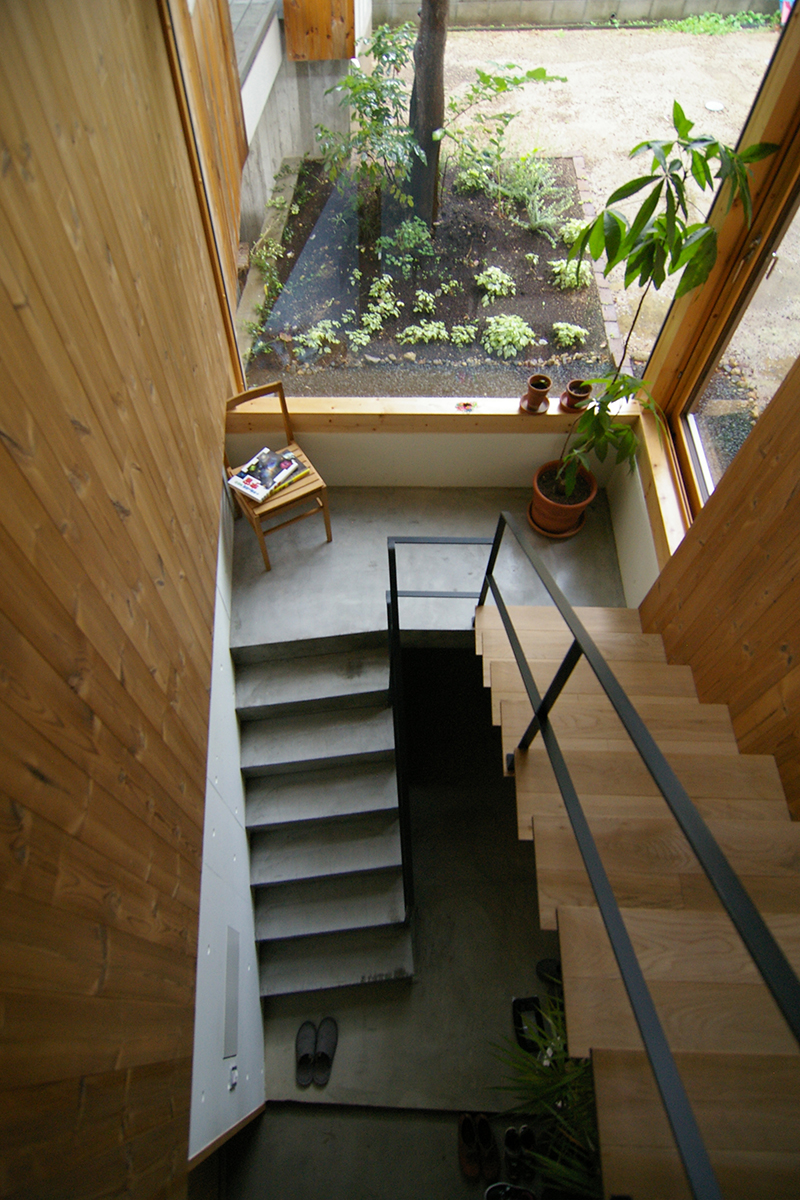
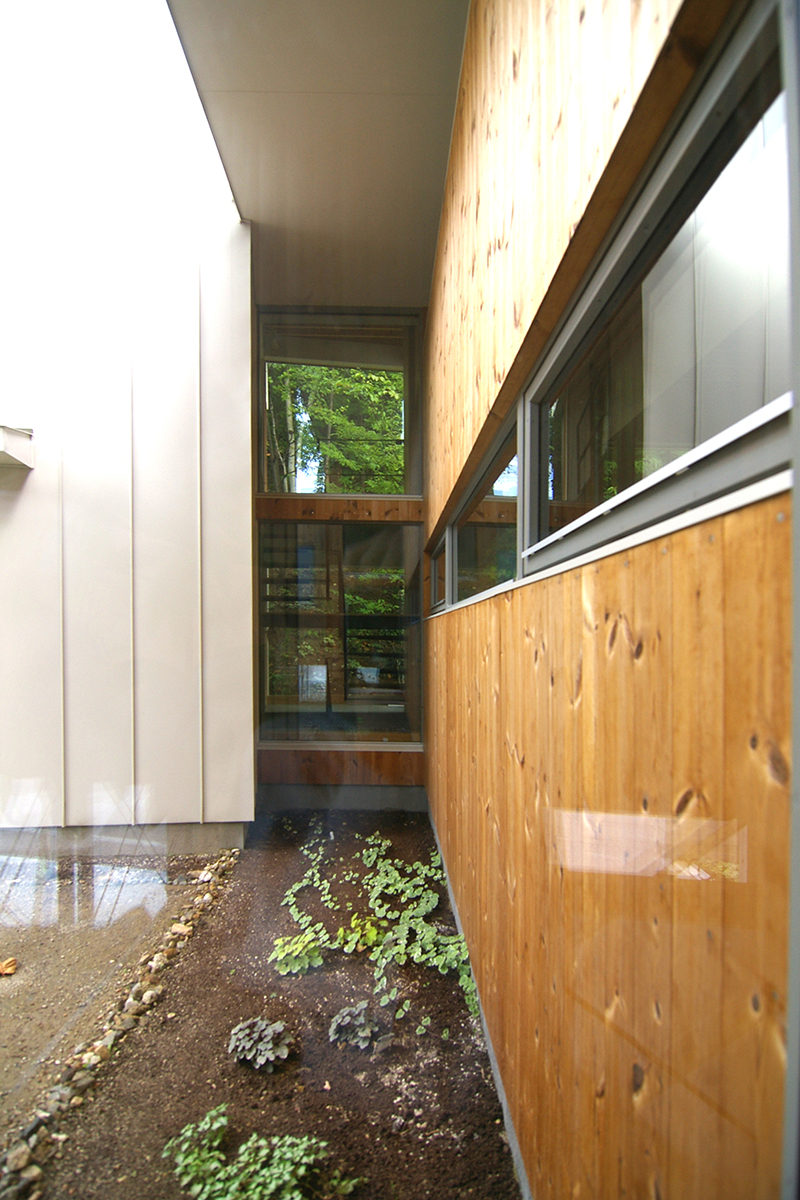
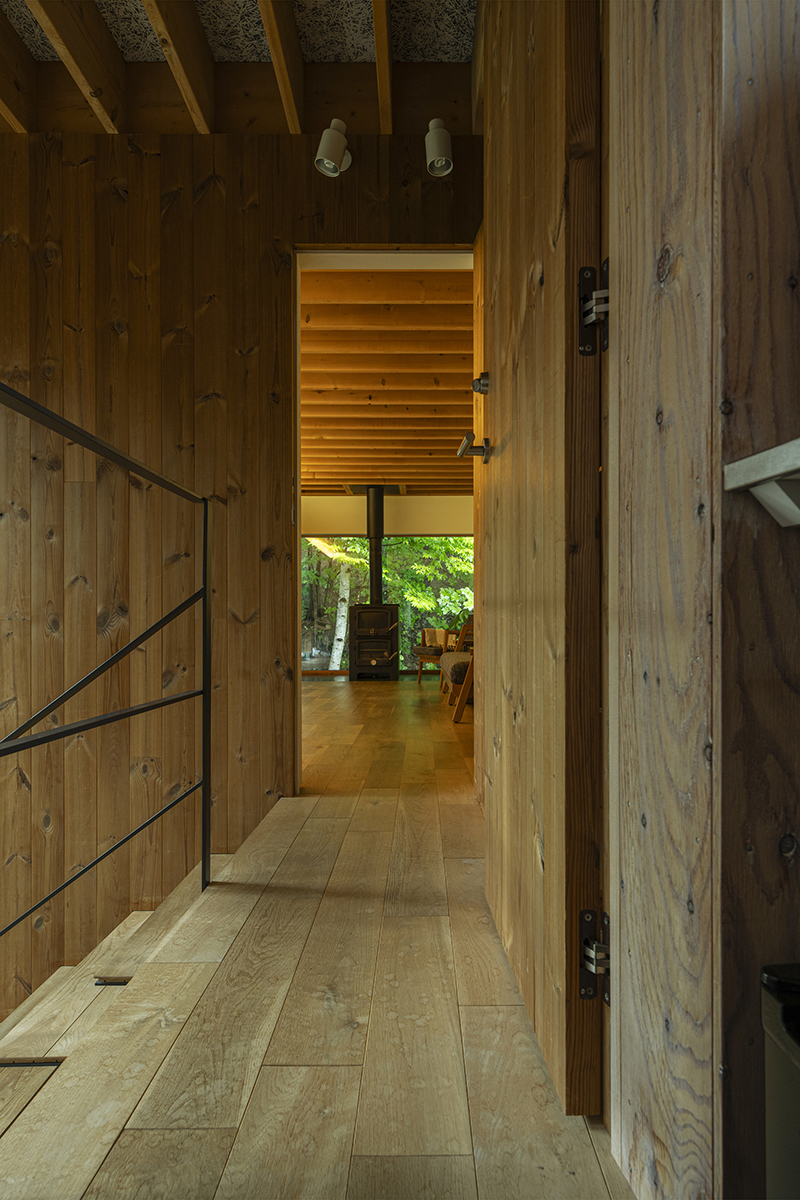
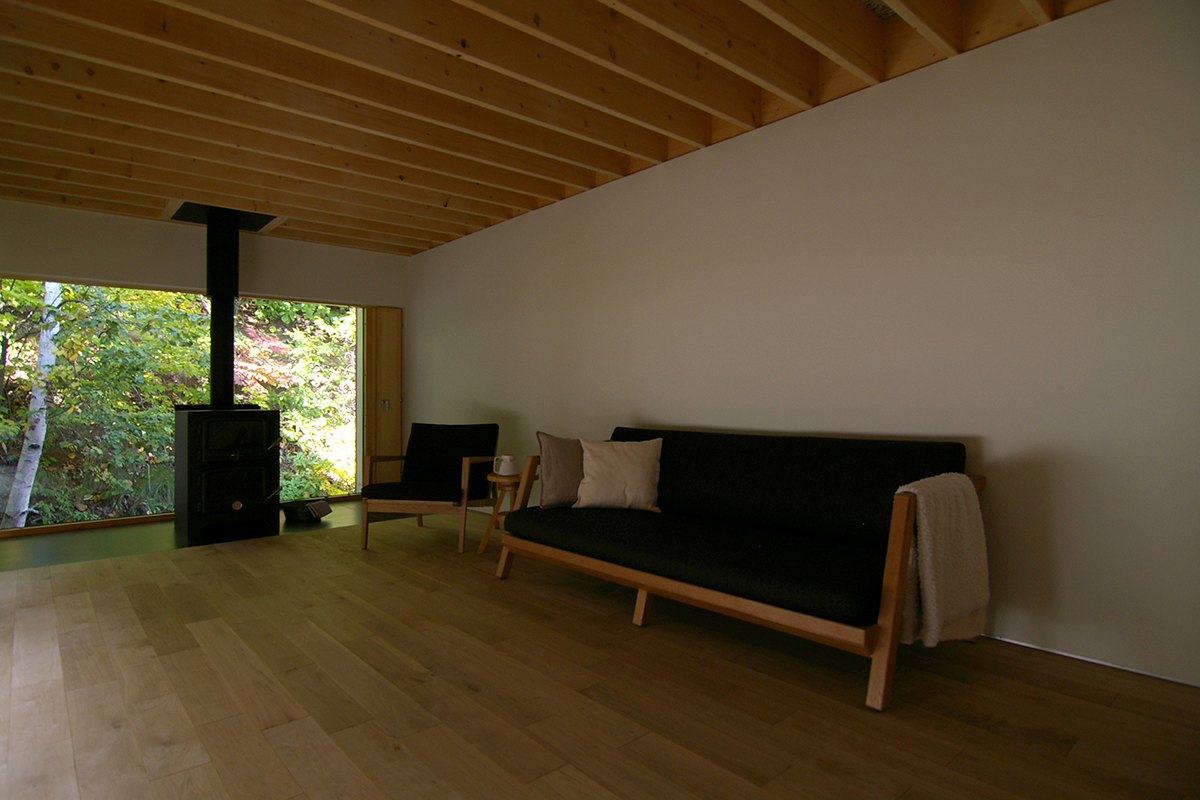
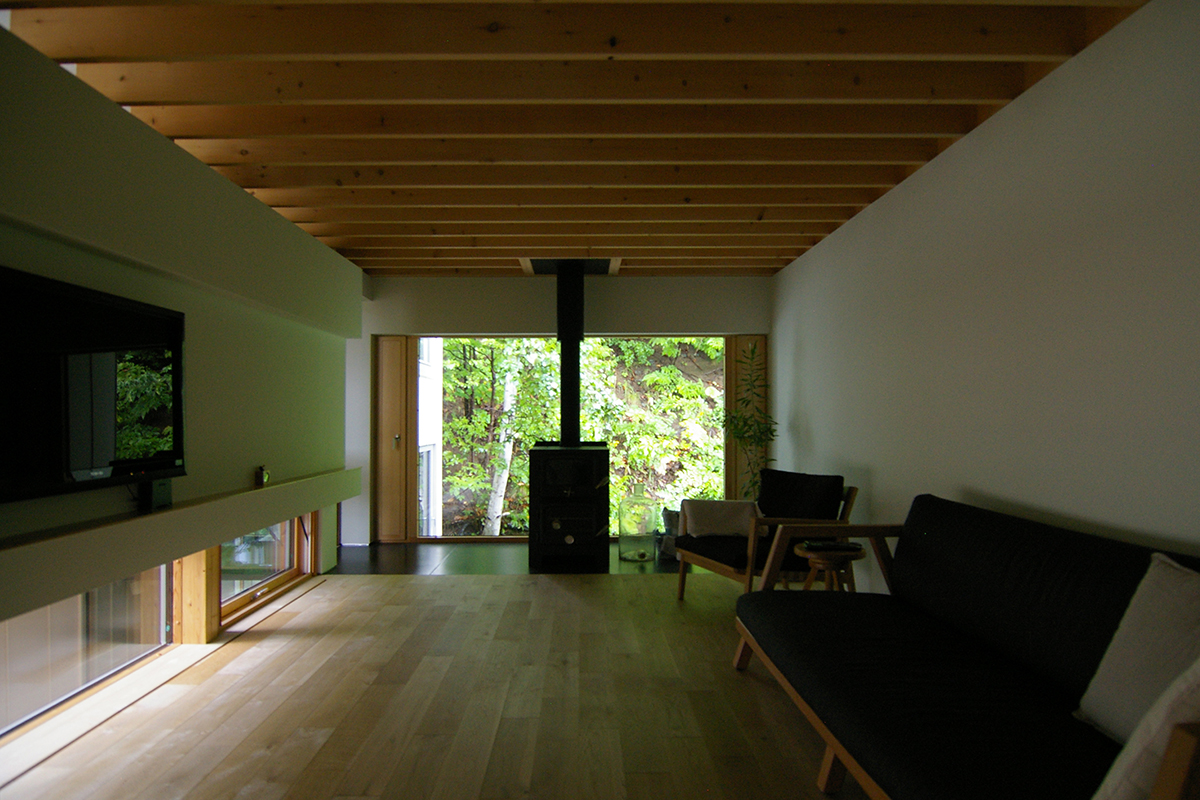
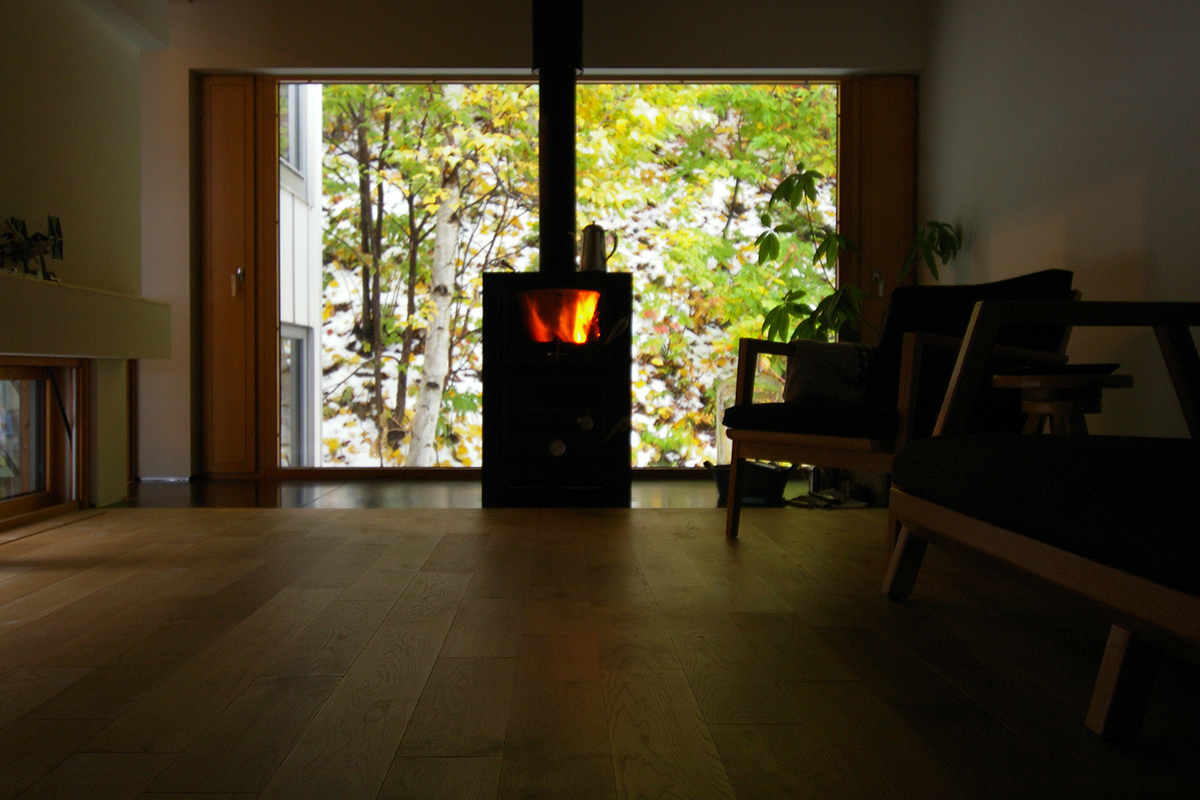
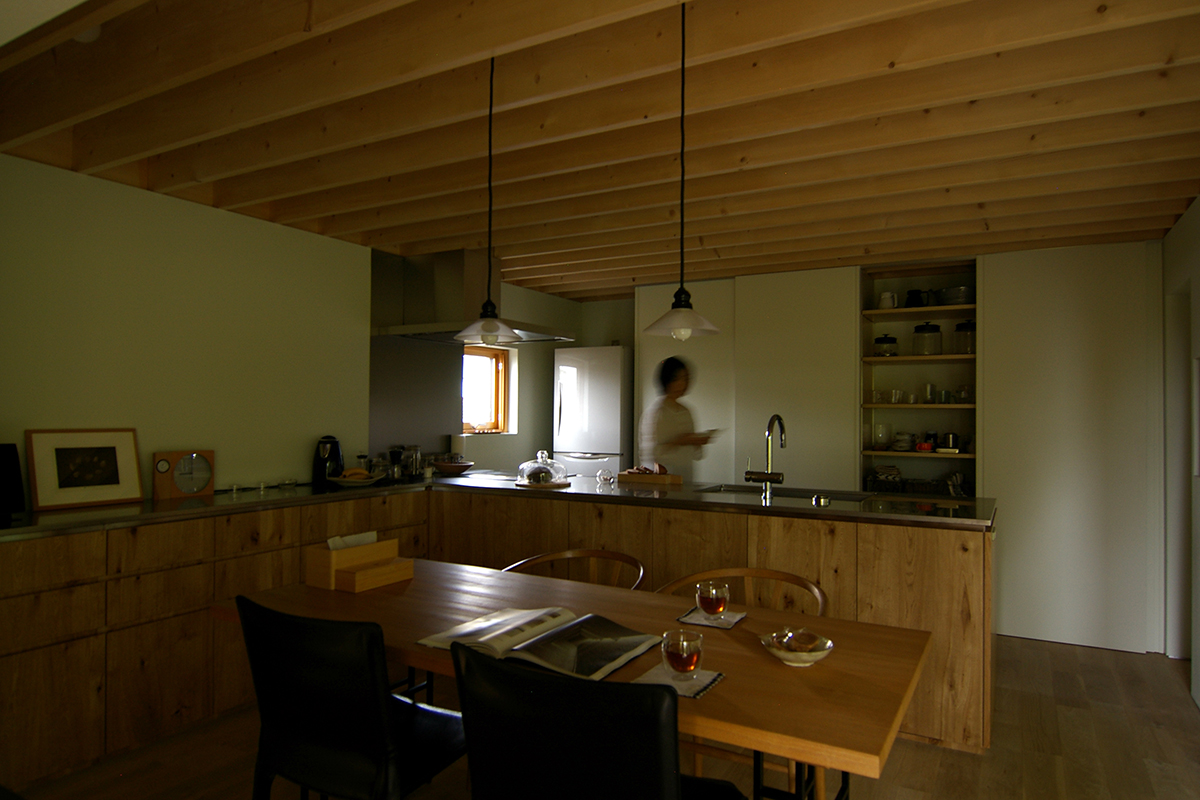
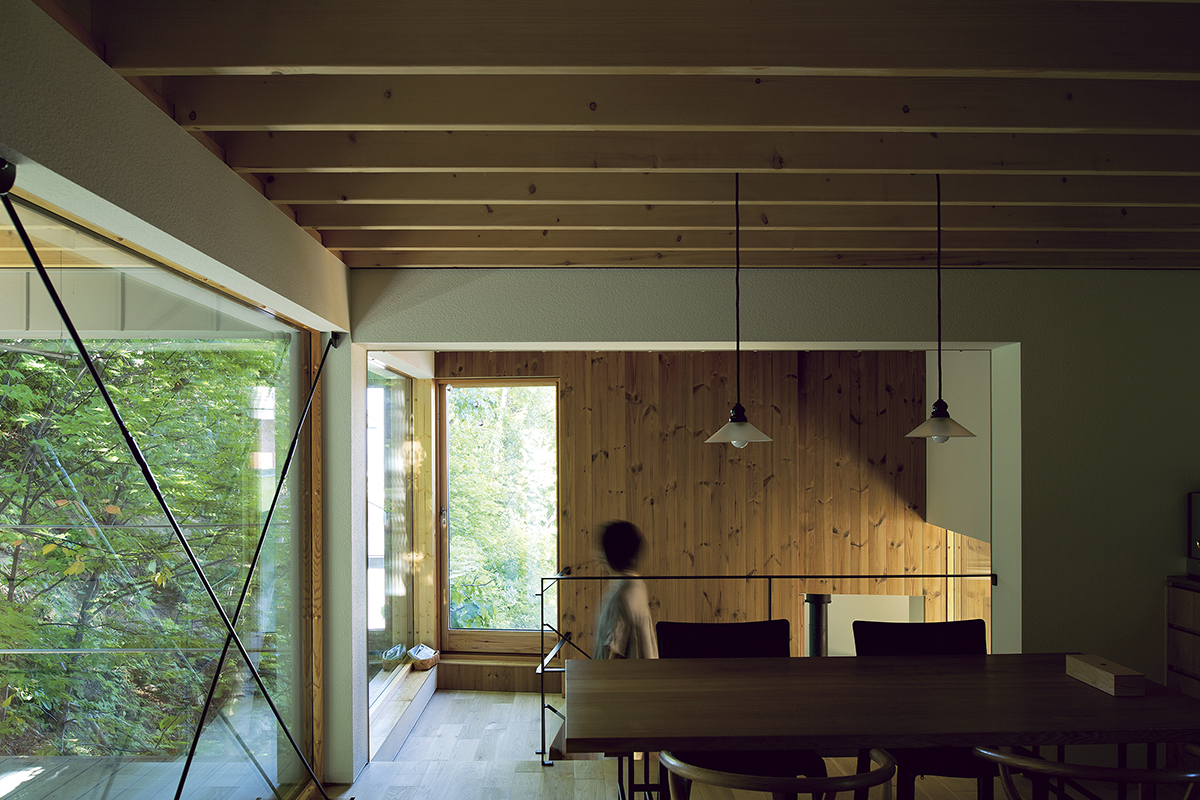
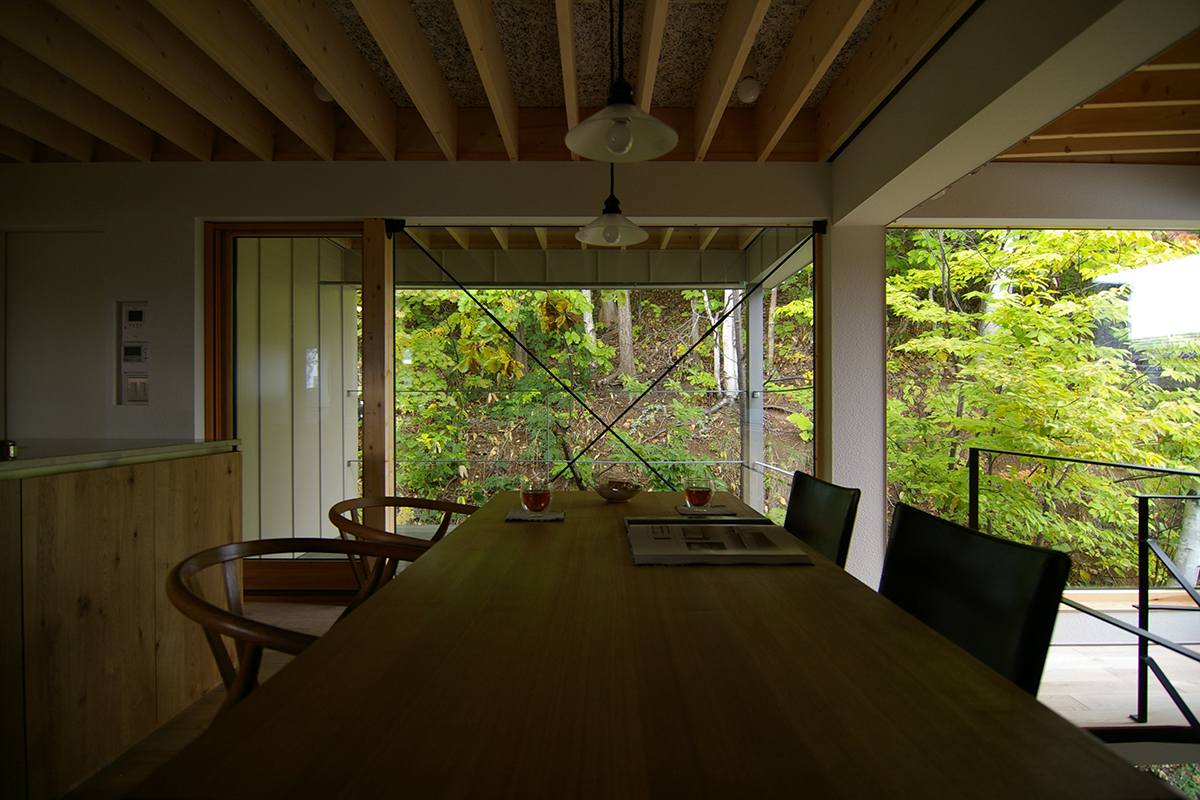
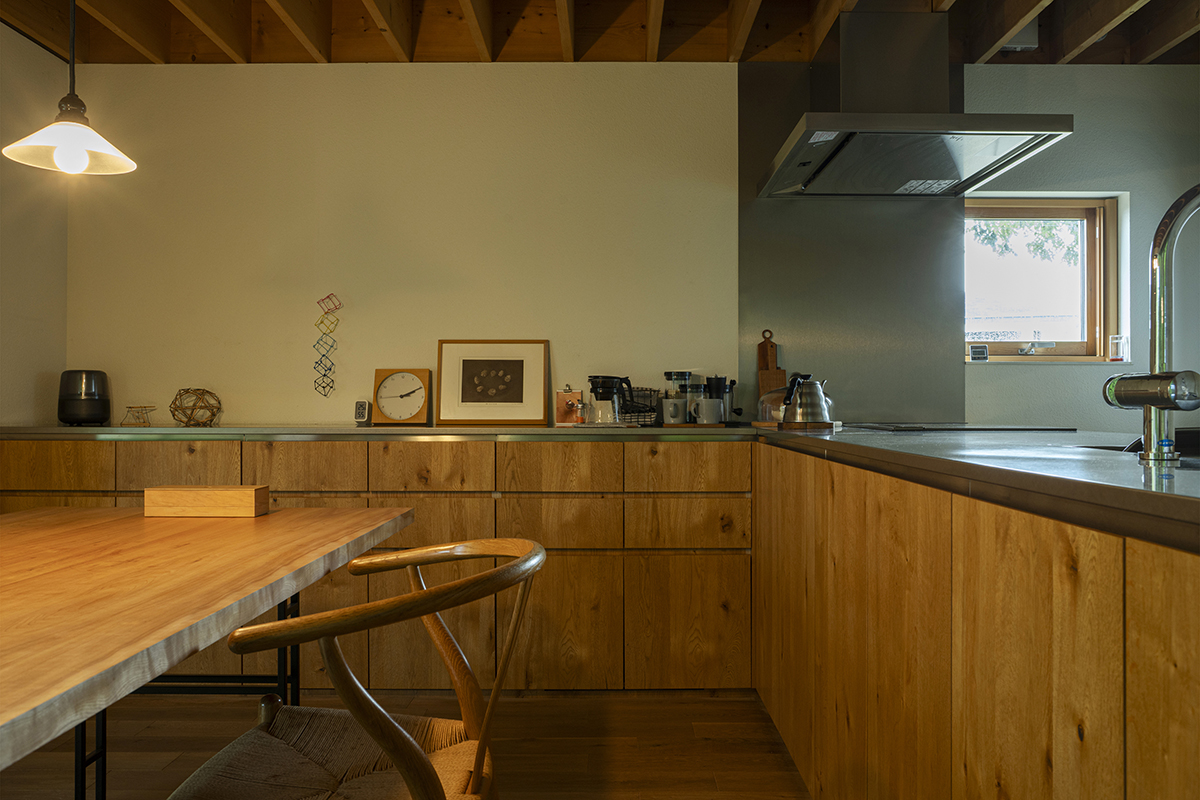
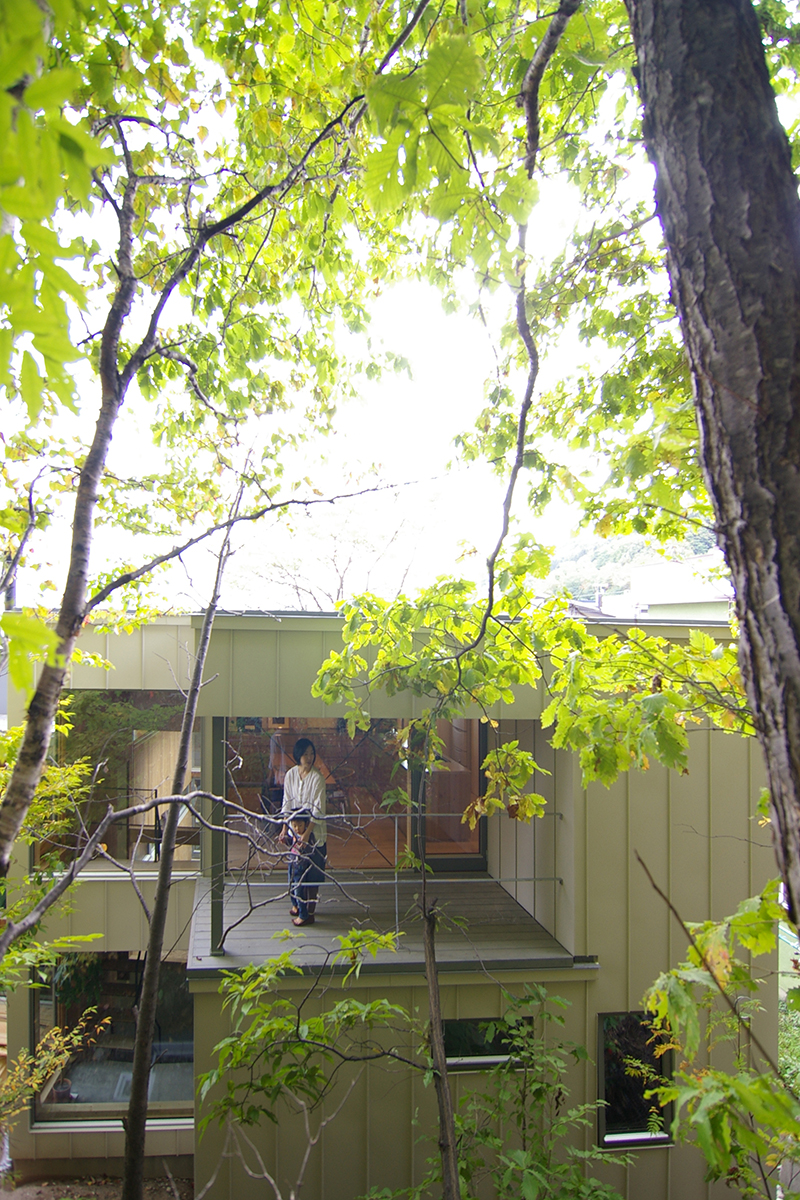
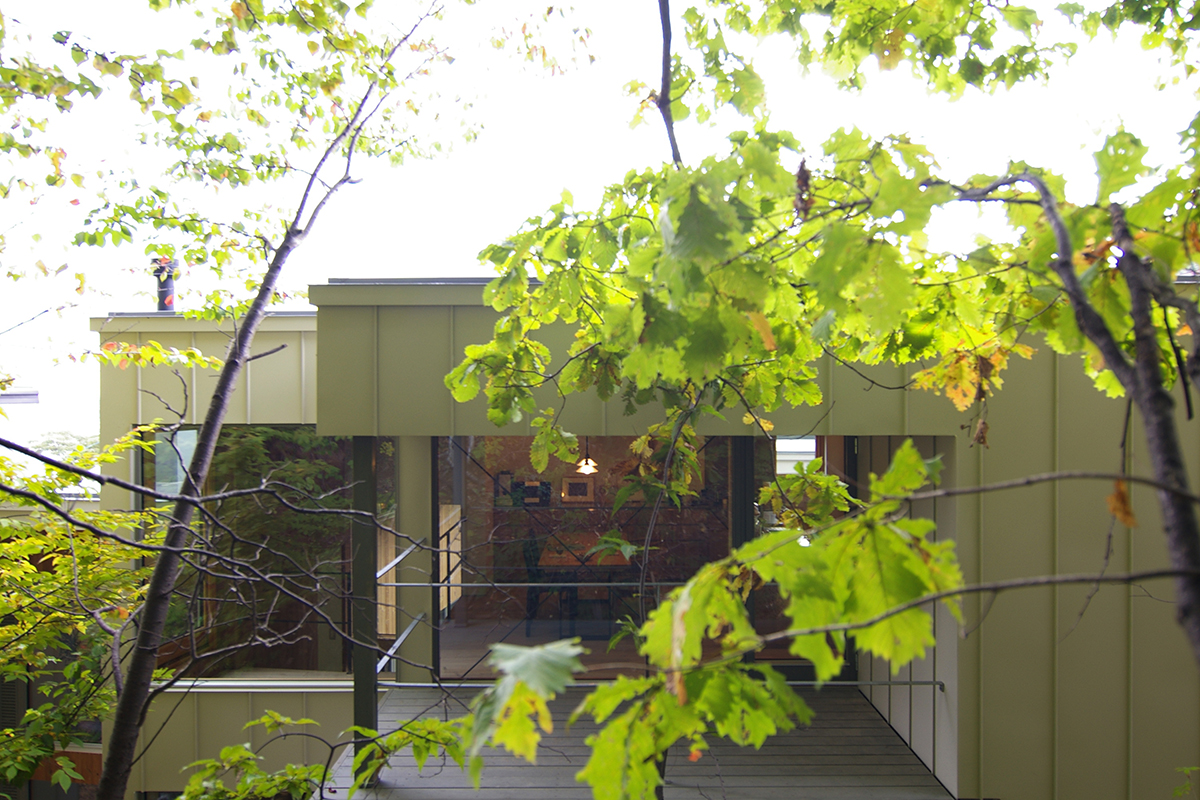
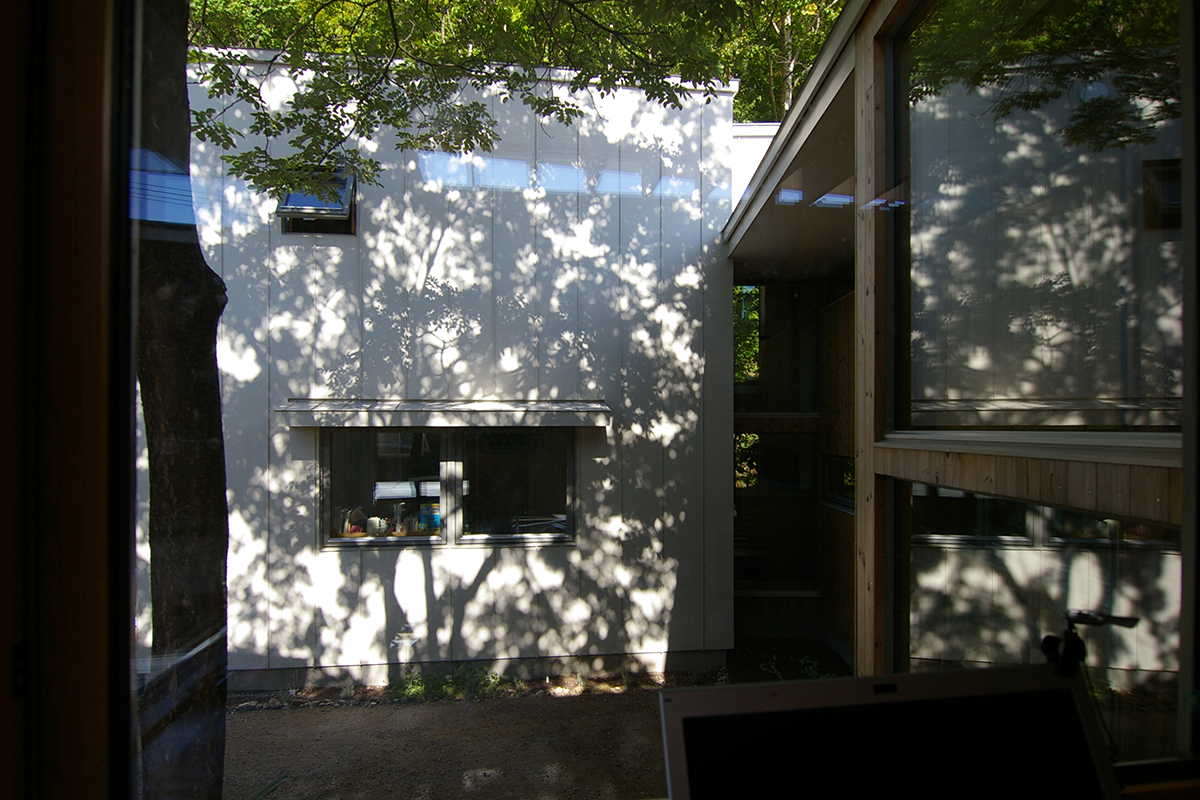
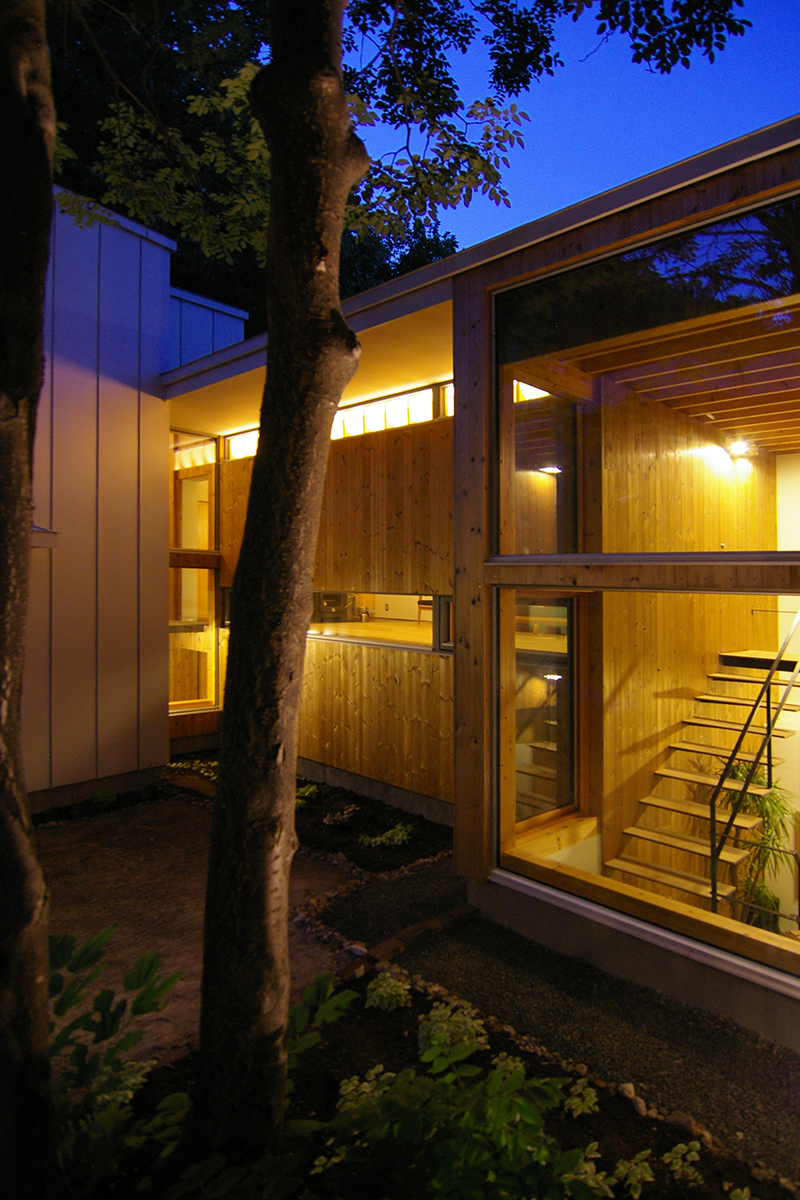
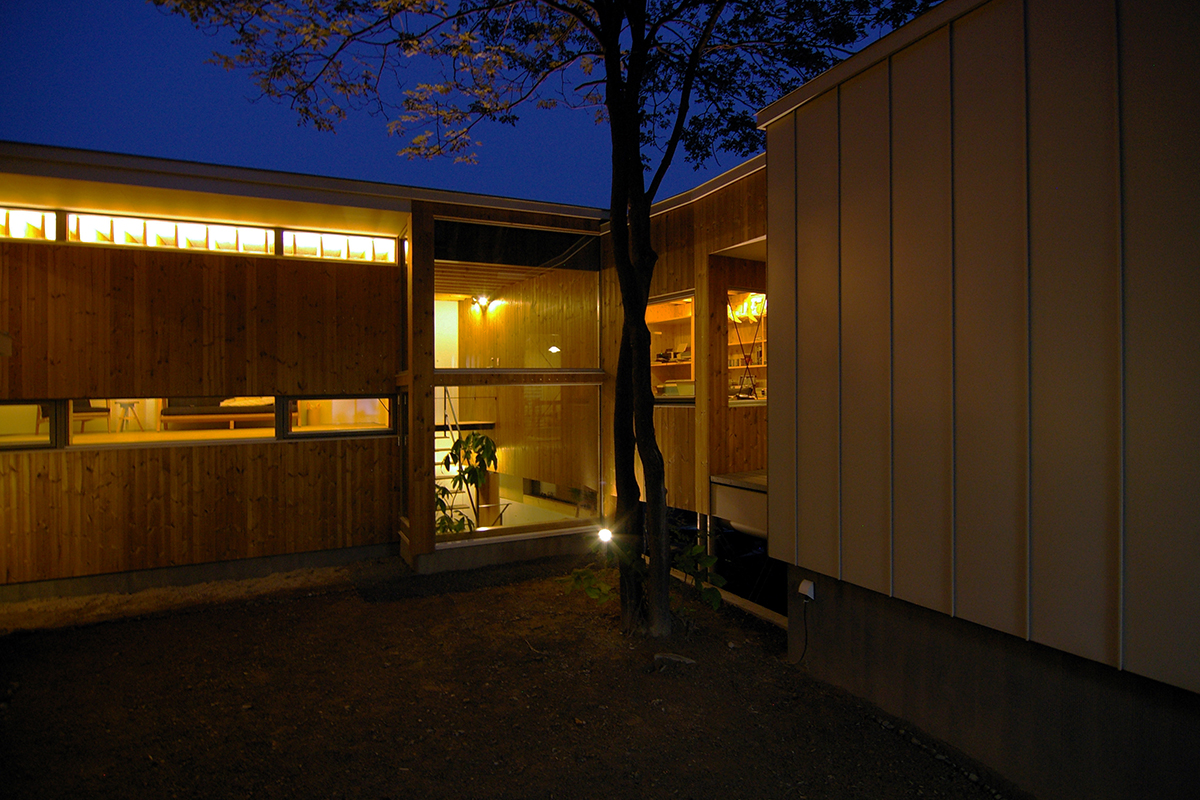
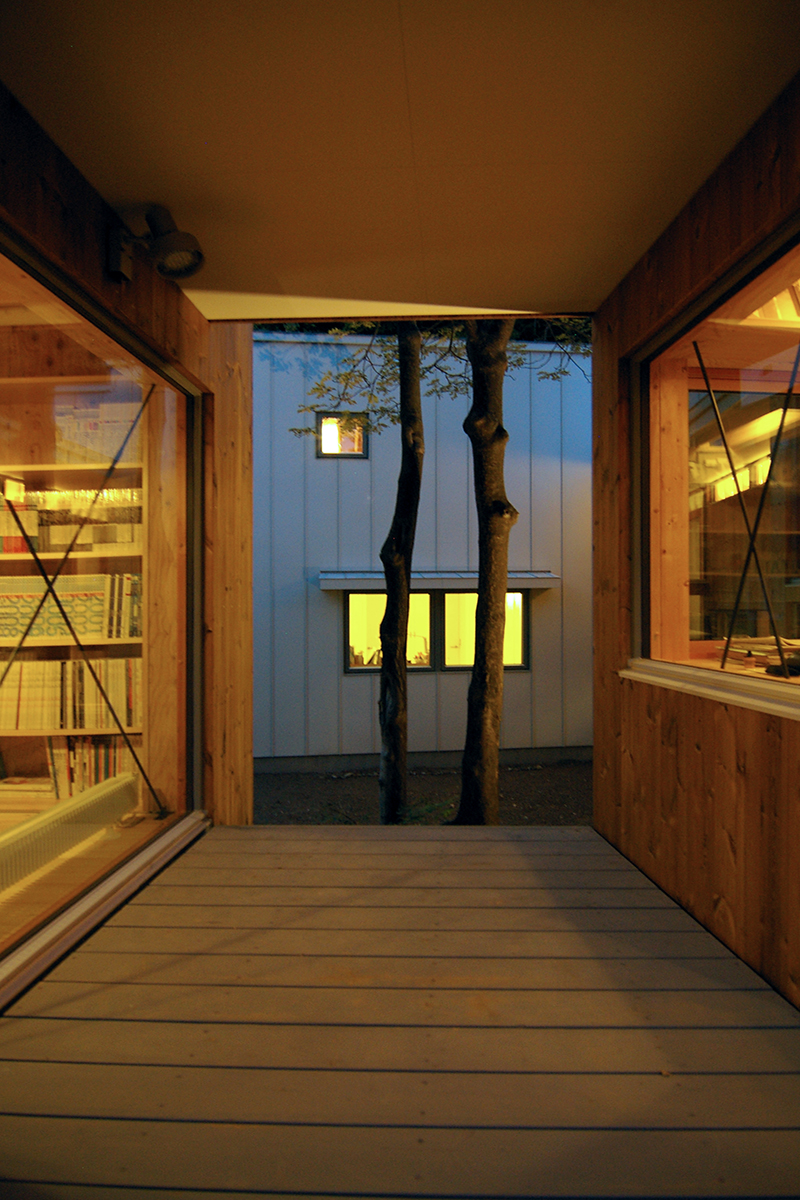
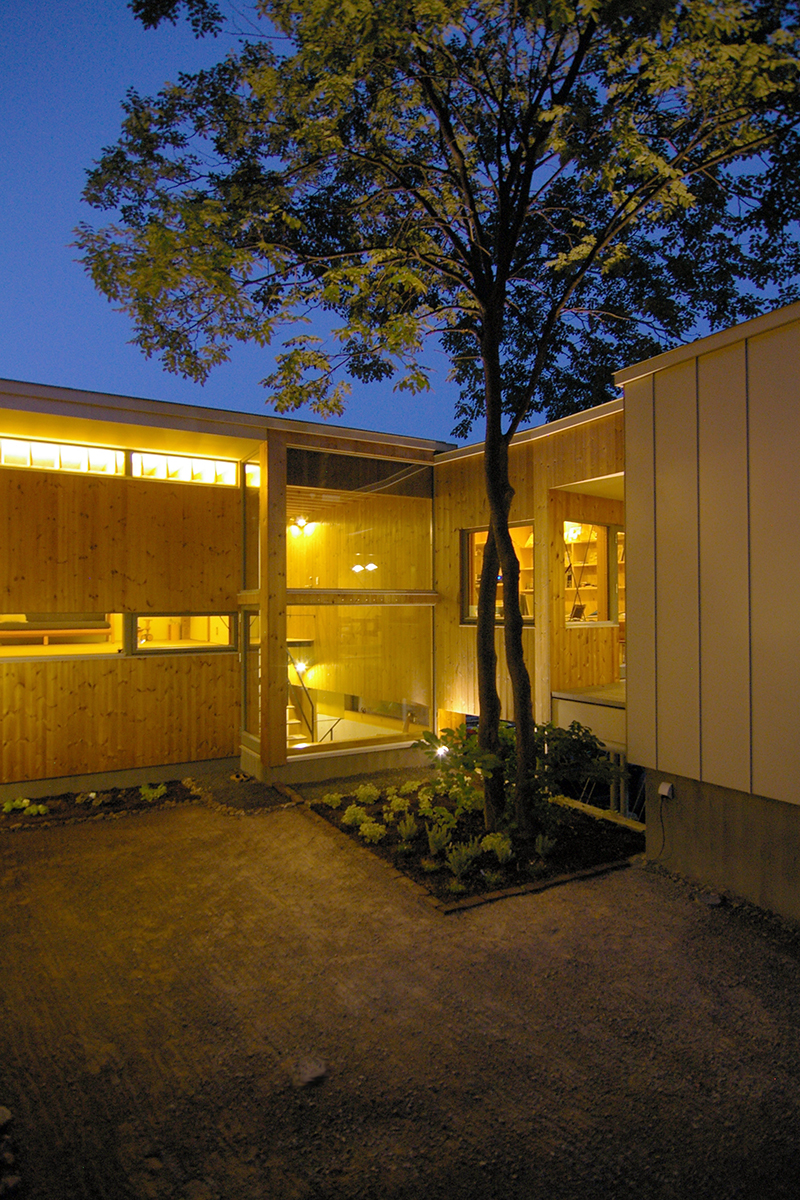
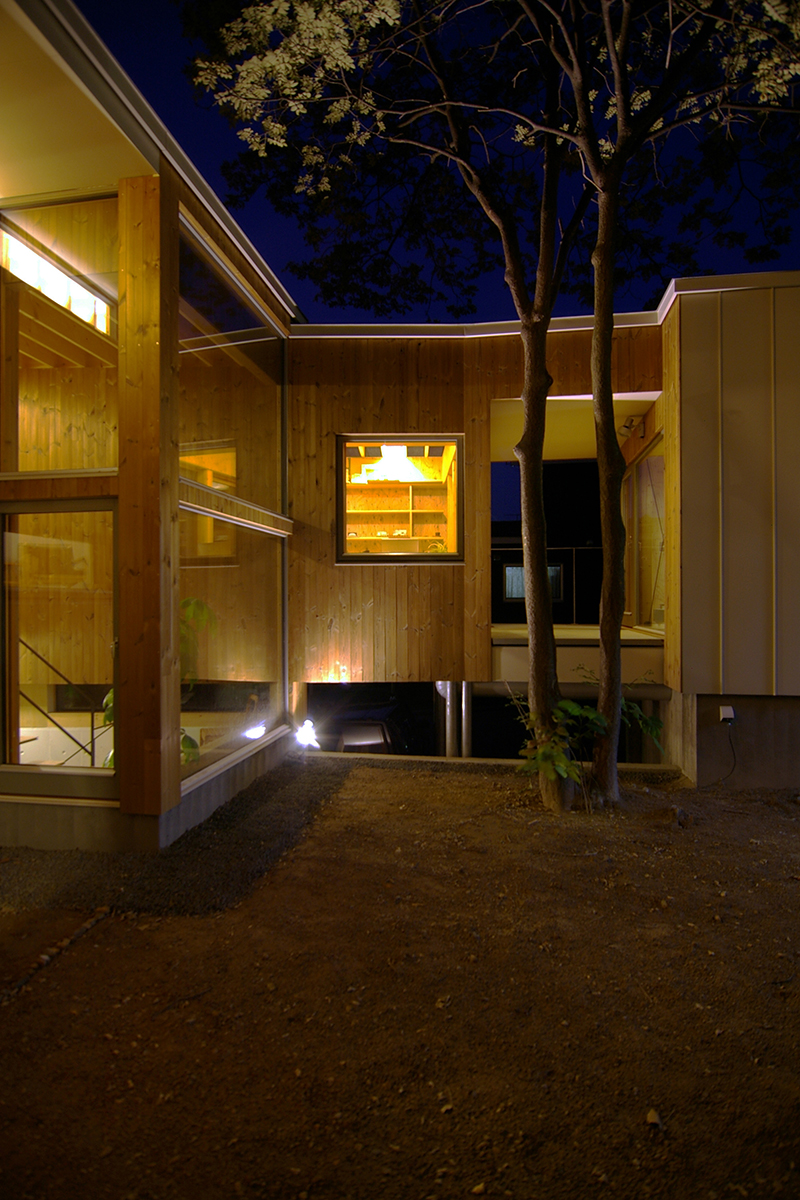
敷地の奥には、自然豊かな森が迫る。
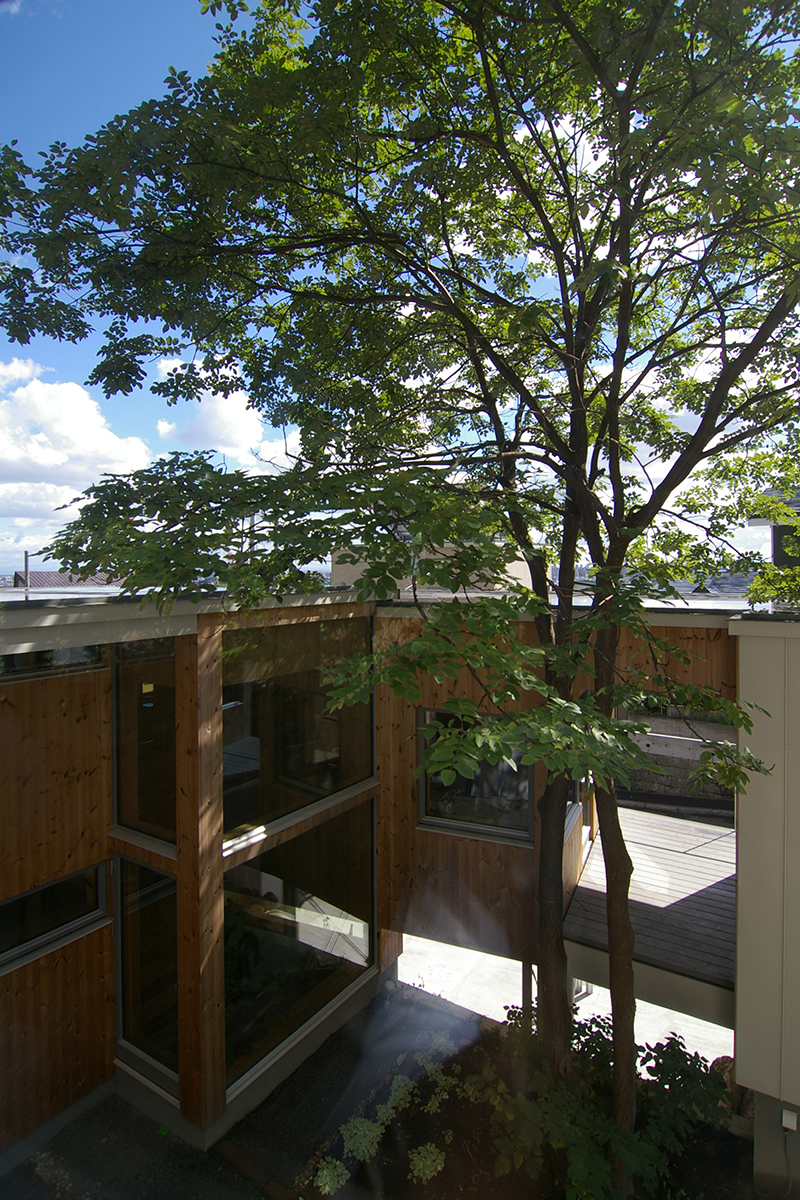
長いあいだ手つかずだった土地には、一本のイヌエンジュが大きく枝を広げ、
この場所の時間を引き受けてきた。
建物は、その木と森、そして街の関係をほどかないように計画している。
森に沿ってわずかに角度を振り、四つに分けたボリュームのあいだに
ウッドデッキやガラスの空間を挿入した。
それは分断ではなく、余白をつくるための操作である。
木がこれからも街と視線を交わし、
森の気配が途切れないように。
結果として大きくなった基礎は、熱を蓄える塊として受け止め、
北海道の気候の中で室内環境を安定させる役割を担わせた。
高断熱化が進むいま、求められるのは冬の暖かさだけではない。
南面の強い日射を抑え、北からの安定した光や
地面や雪面からの反射光を丁寧に取り込むことで、
季節ごとに異なる光を受け入れる。
夏。
葉をまとった森が明るく浮かび上がり、
室内は静かに陰影を深める。
冬。
葉を落とした森の向こう、
純白の雪が光を跳ね返し、
室内をやわらかく満たす。
コートハウスでありながら閉じきらず、
隙間を残す。
風も、視線も、会話も通り抜ける構えとした。
30年前からこの地に立つイヌエンジュとともに、
さらに30年後も、この丘の風景の一部であり続けることを願っている。
At the back of the site, a rich forest approaches the hill.
For three decades, the land remained undeveloped,
inhabited only by a single Japanese pagoda tree that extended its branches across the terraced ground,
quietly holding the memory of time.
The house is conceived to preserve the relationship
between the tree, the forest, and the city.
The building is subtly angled along the line of the forest,
and divided into four volumes.
Wood decks and transparent glass spaces are inserted between them—
not as separation, but as intervals.
These gaps allow the tree to continue exchanging glances with the city,
and the presence of the forest to flow uninterrupted.
The enlarged foundation, an inevitable consequence of the site,
is embraced as thermal mass, stabilizing the indoor climate
within Hokkaido’s demanding environment.
In highly insulated houses today, the challenge is no longer winter alone,
but the control of summer sunlight.
Direct southern exposure is moderated,
while steady northern light and reflections from the ground and snow
are carefully drawn inside.
In summer,
the lush forest becomes a bright stage,
while the interior remains subdued, deepening the shadows.
In winter,
after the leaves have fallen,
pure white snow on the southern slope reflects light inward,
filling the rooms with a soft glow.
Though conceived as a courtyard house, it does not close itself off.
Openings remain.
Wind, sightlines, and quiet exchanges pass through.
Together with the tree that has stood here for thirty years,
the house looks toward the next thirty—
becoming part of the landscape’s unfolding time.