商業・サービス施設
2026.02.16
2007-当麻歯科診療所
住まい
2026.02.16
2009-INEVITABLE
商業・サービス施設
2026.02.19
2010-ARTLACZÉ Gelato & Confections


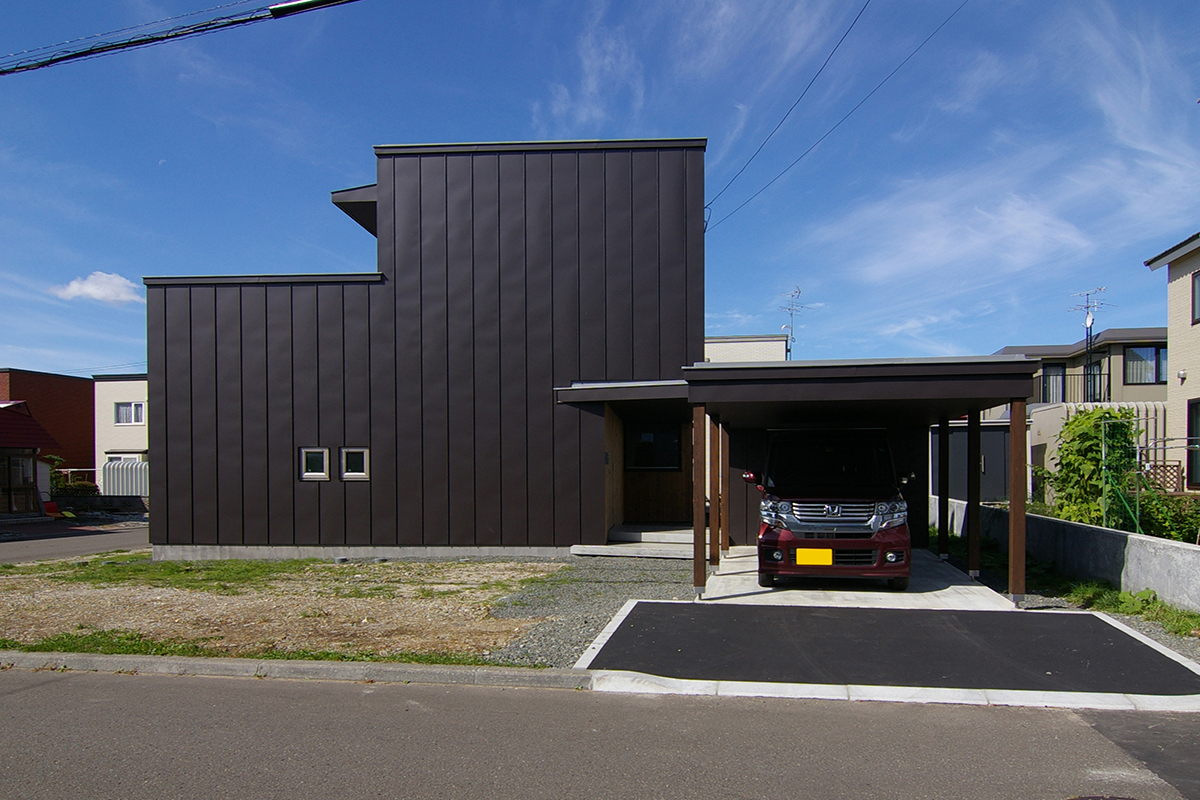
角度によって生まれる、緩やかな境界。
江別市の住宅街。
古い建物と新しい建物が混在し、
これから街並みが少しずつ更新されていく気配のある場所。
この敷地で求められたのは、
閉じることではなく、町との距離をどう整えるかだった。
建物をわずかに振る。
その角度が、隣家や道路とのあいだに
緩やかな境界を生み出している。
A gentle boundary shaped by angle.
Located in a residential area of Ebetsu,
the neighborhood is a mixture of older houses and newer buildings—
a place where the streetscape seems poised for gradual change.
Here, the question was not how to close off the site,
but how to calibrate its relationship with the town.
By subtly rotating the building,
a gentle boundary emerges
between the house, its neighbors, and the street.
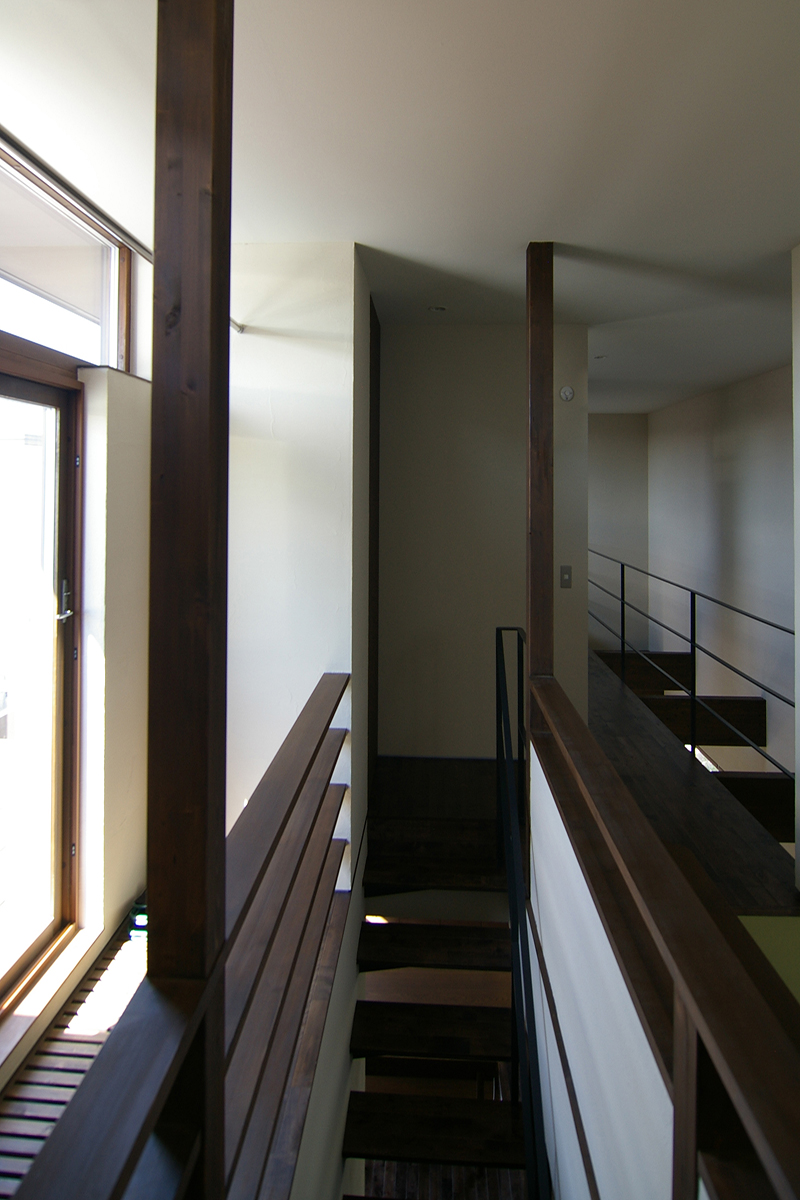
敷地は江別市の住宅地に位置し、周囲には新旧の建物が混在している。
将来的に街並みが変化していくことも想像できる環境の中で、
町との関係性の築き方が設計の主題となった。
当初はコートハウスとして内側に閉じる案も検討したが、
敷地規模と予算条件を踏まえ、別の方法を探った。
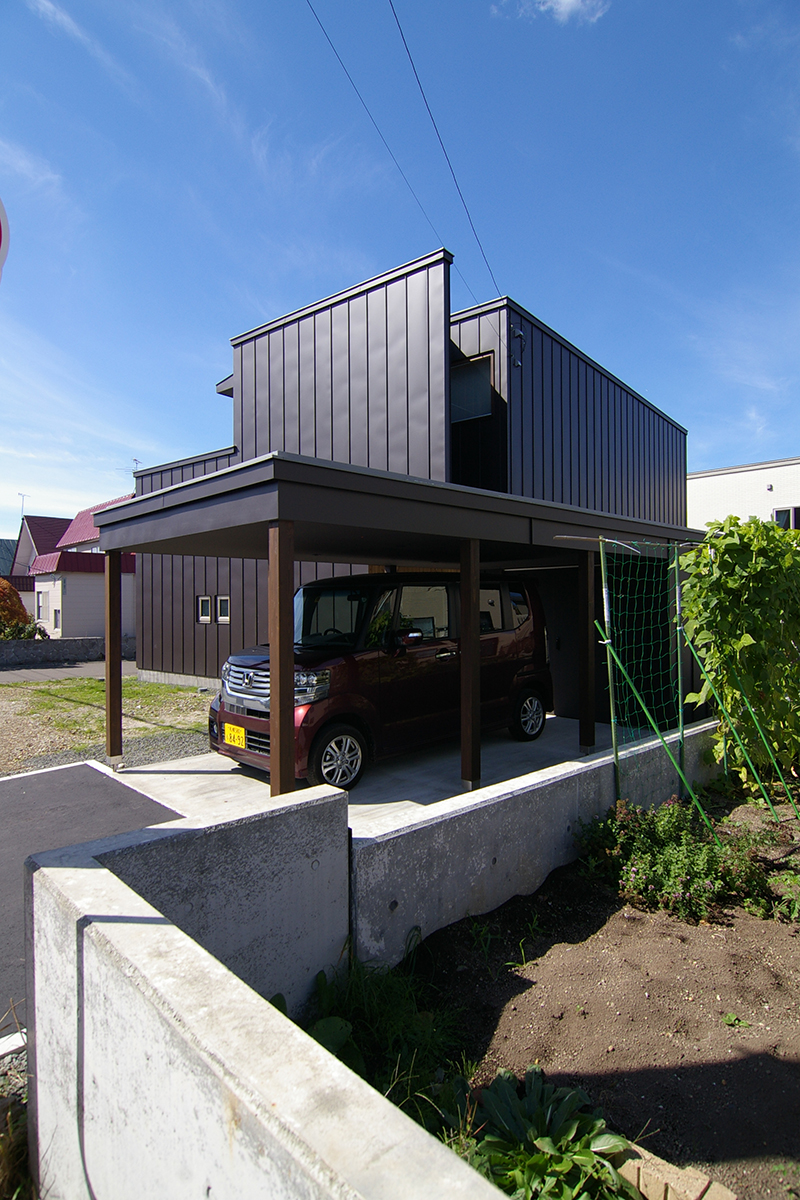
建物全体を町に対して約10度振ることで、
隣地の隙間や道路方向へ視線を抜き、
隣家と正面で向き合わない配置としている。
角度の操作によって、
閉じることなく視線を制御し、
緩やかな境界をつくる構成とした。
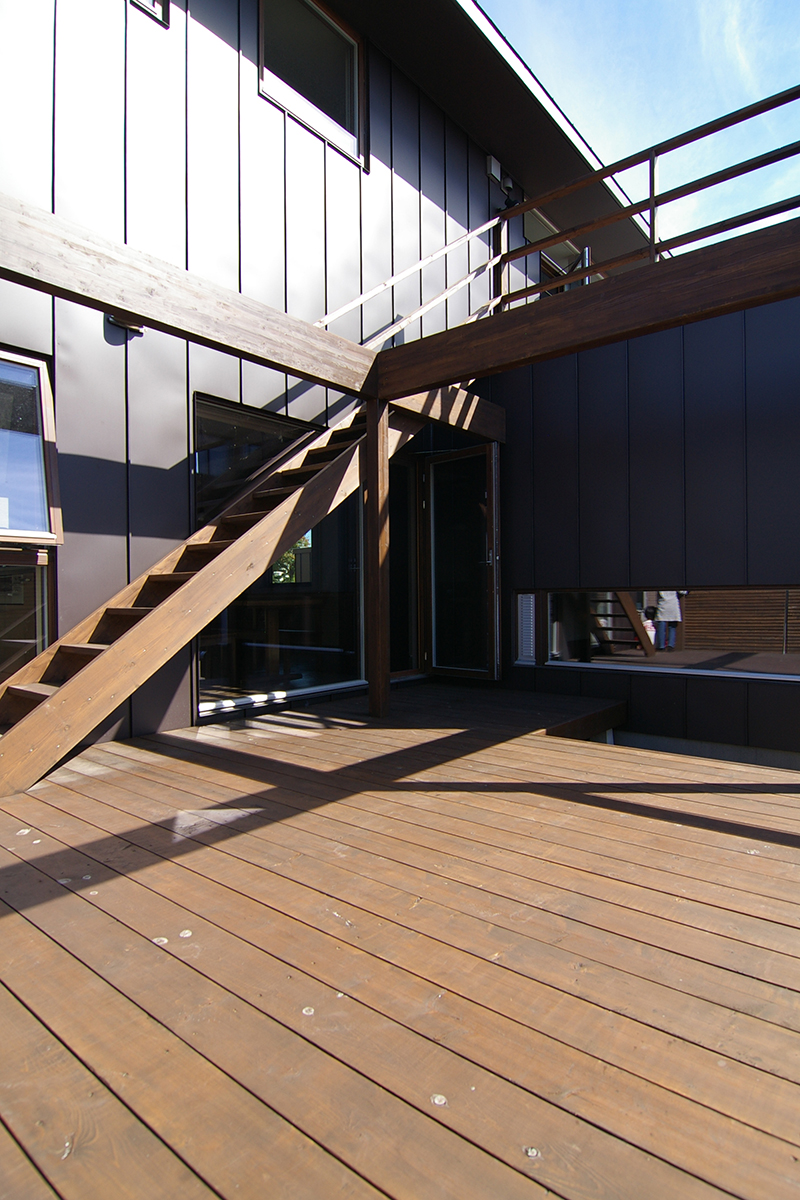
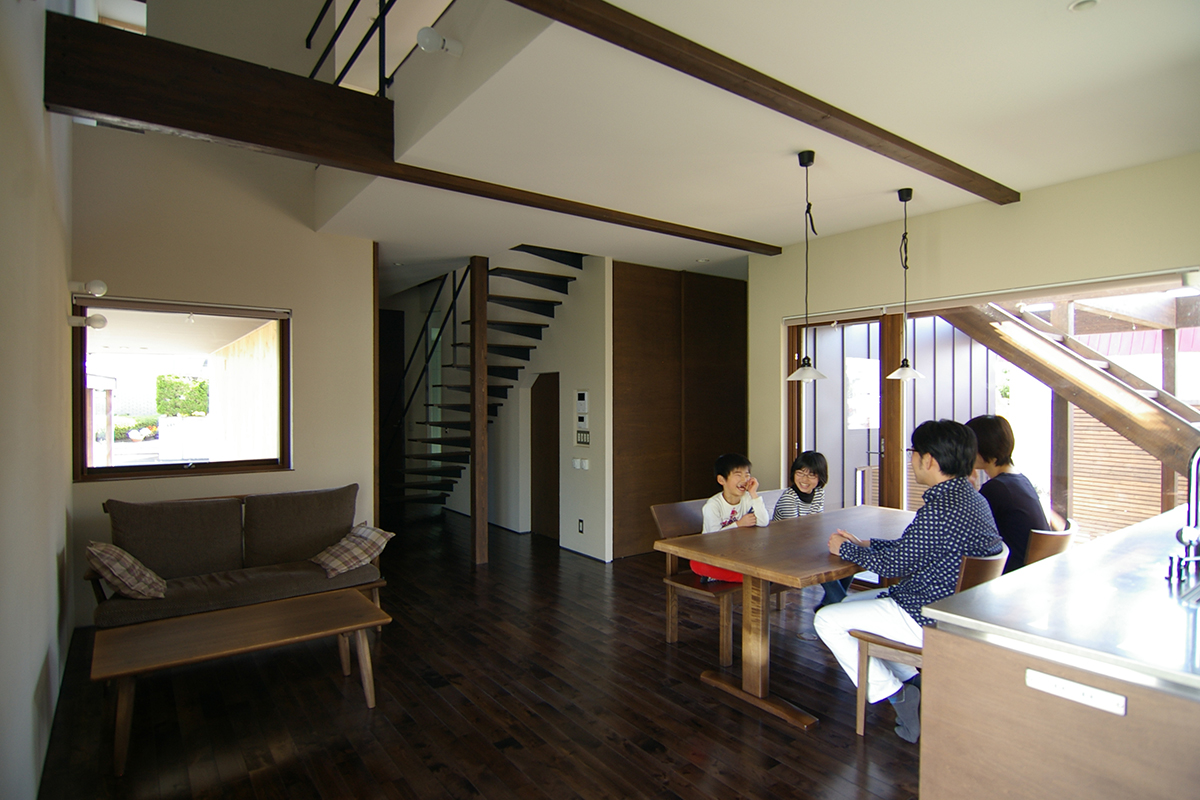
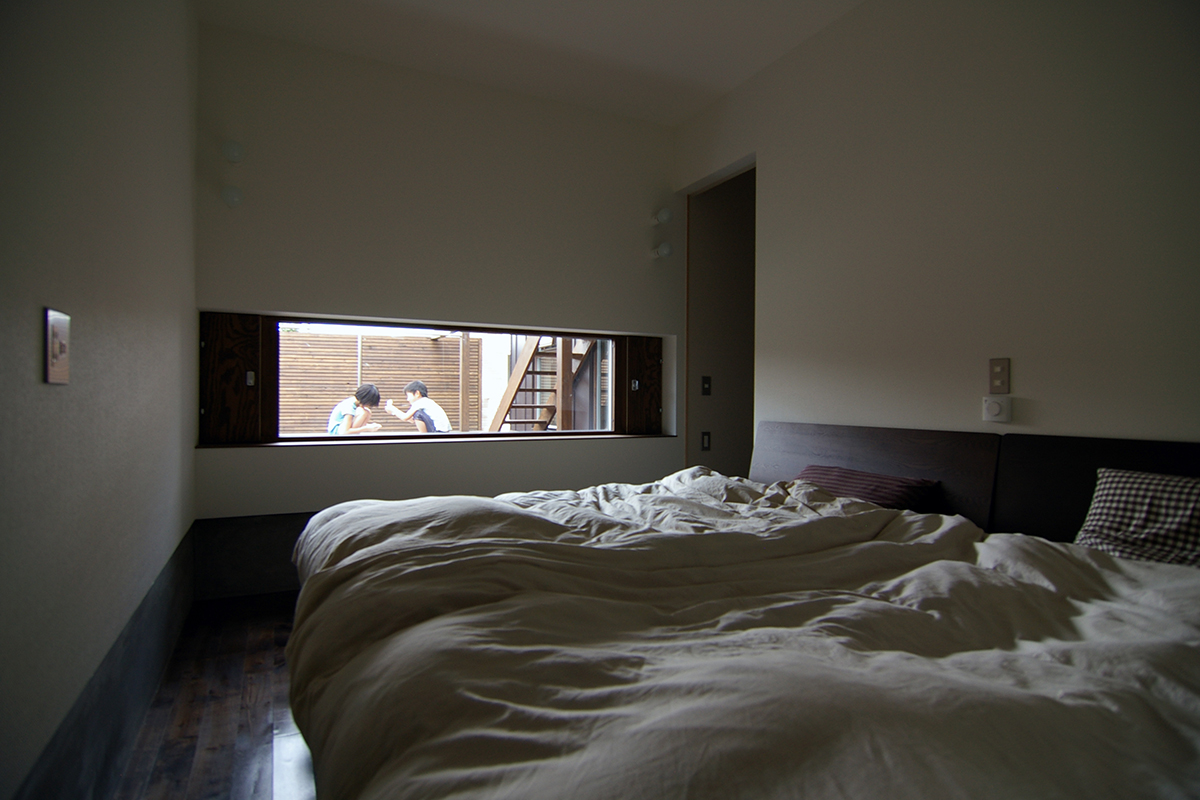
さらに、1階デッキと2階デッキをつなぐ外部階段を道路側に設け、
屋外空間を立体的に展開することで、
街に対してささやかな動きを与えている。
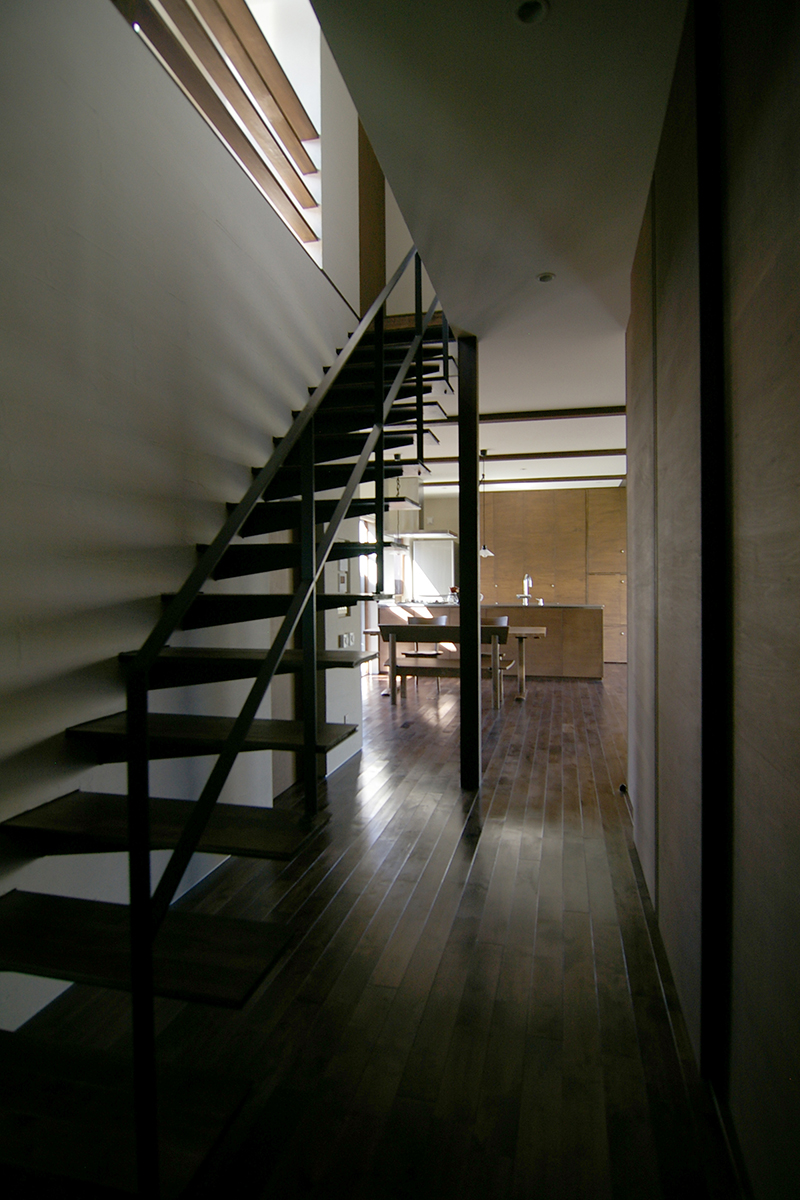
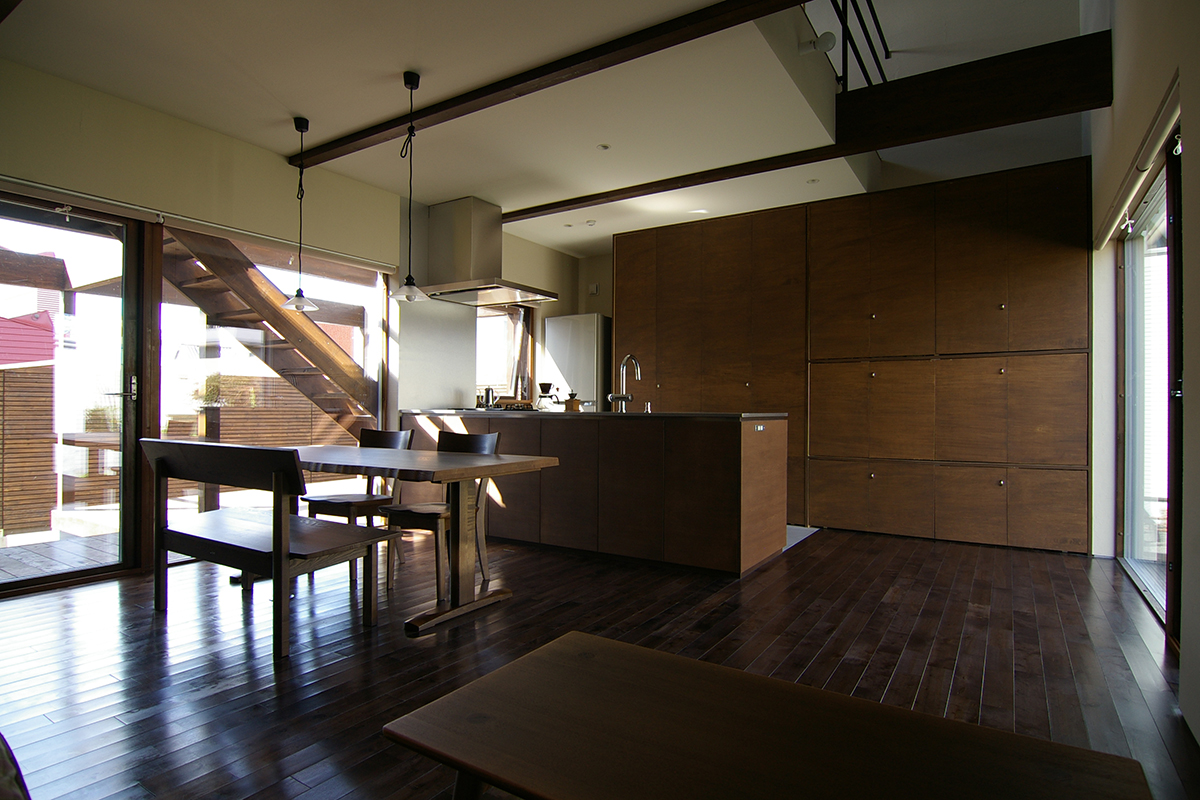
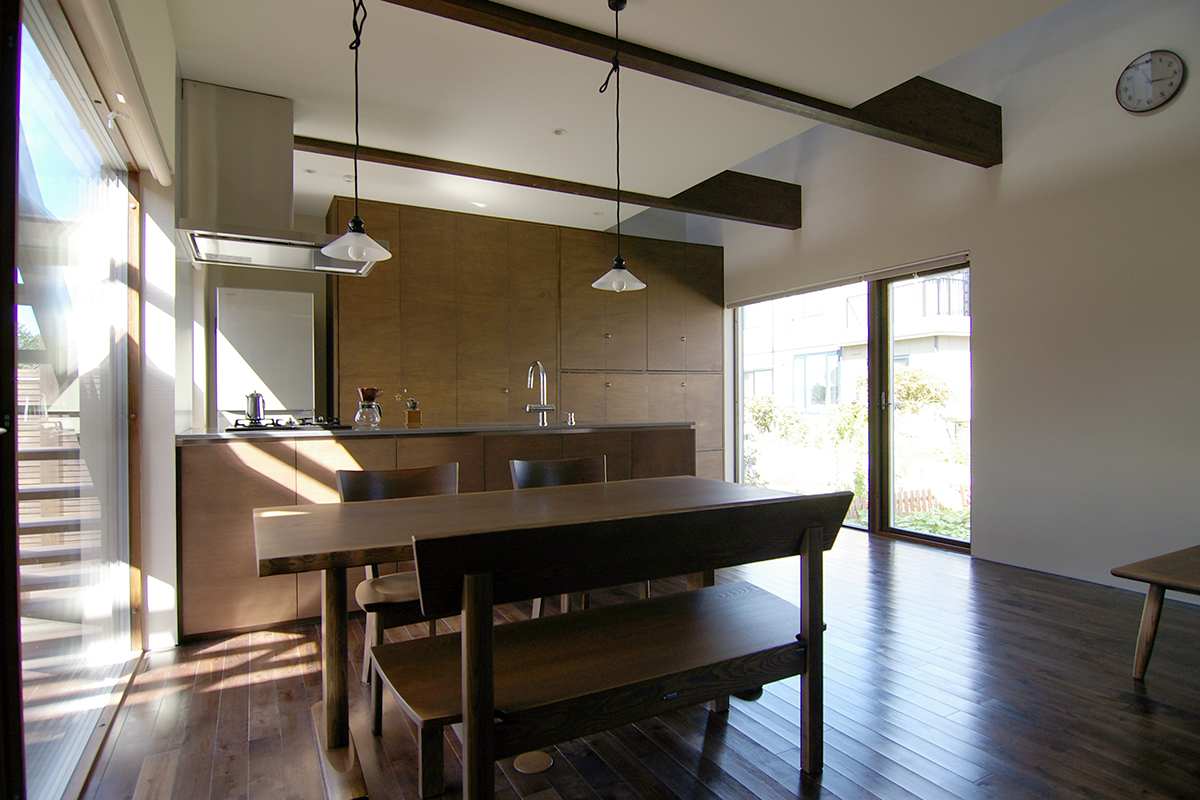
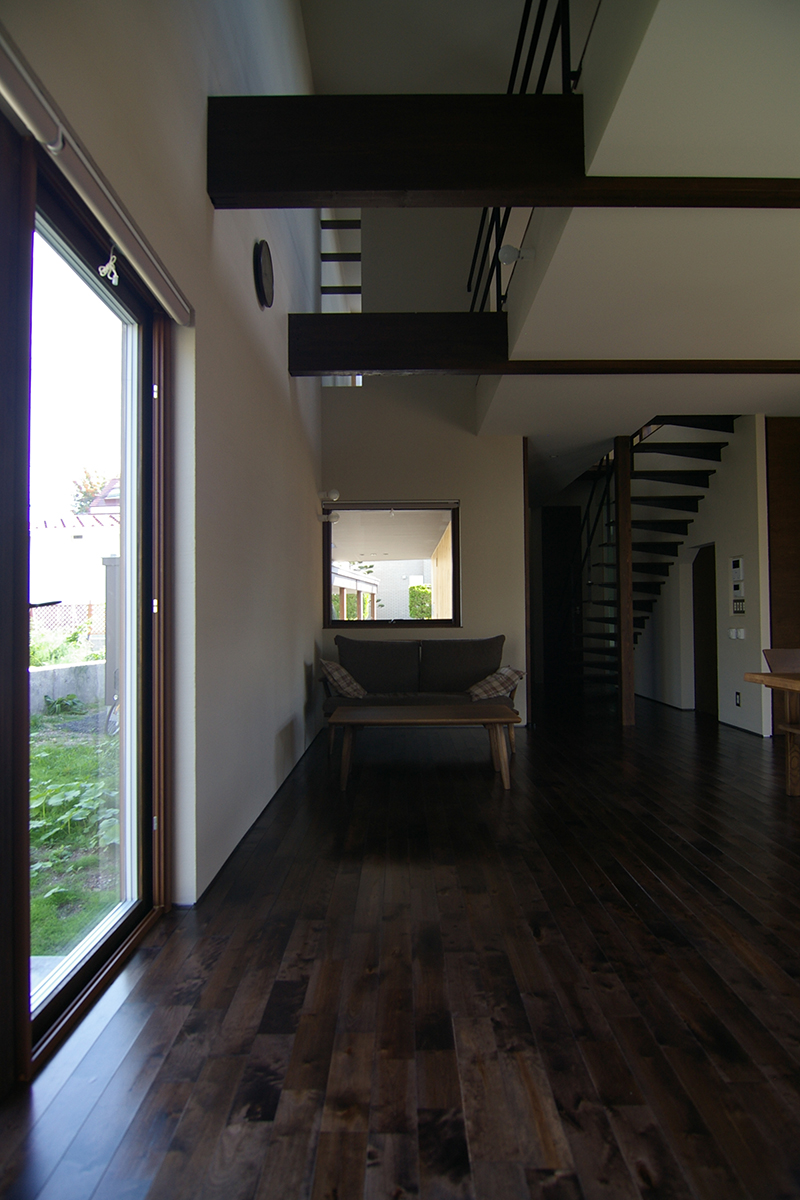
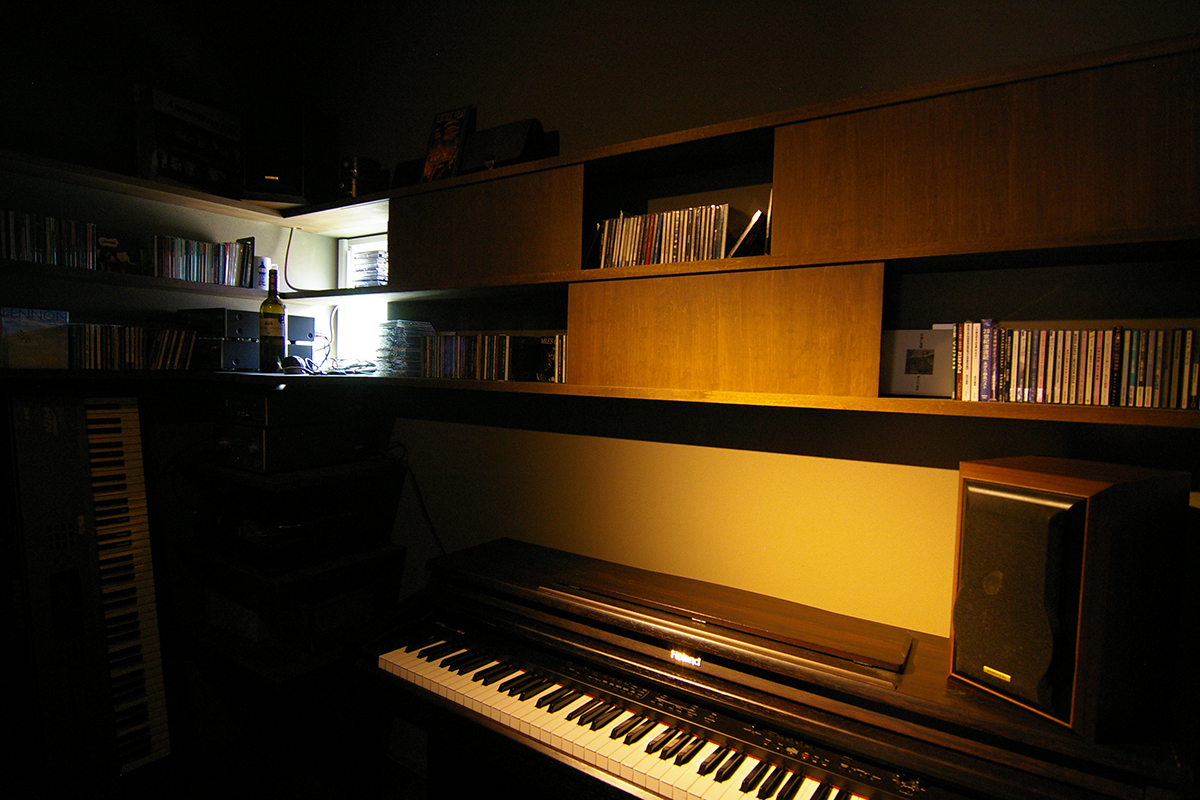
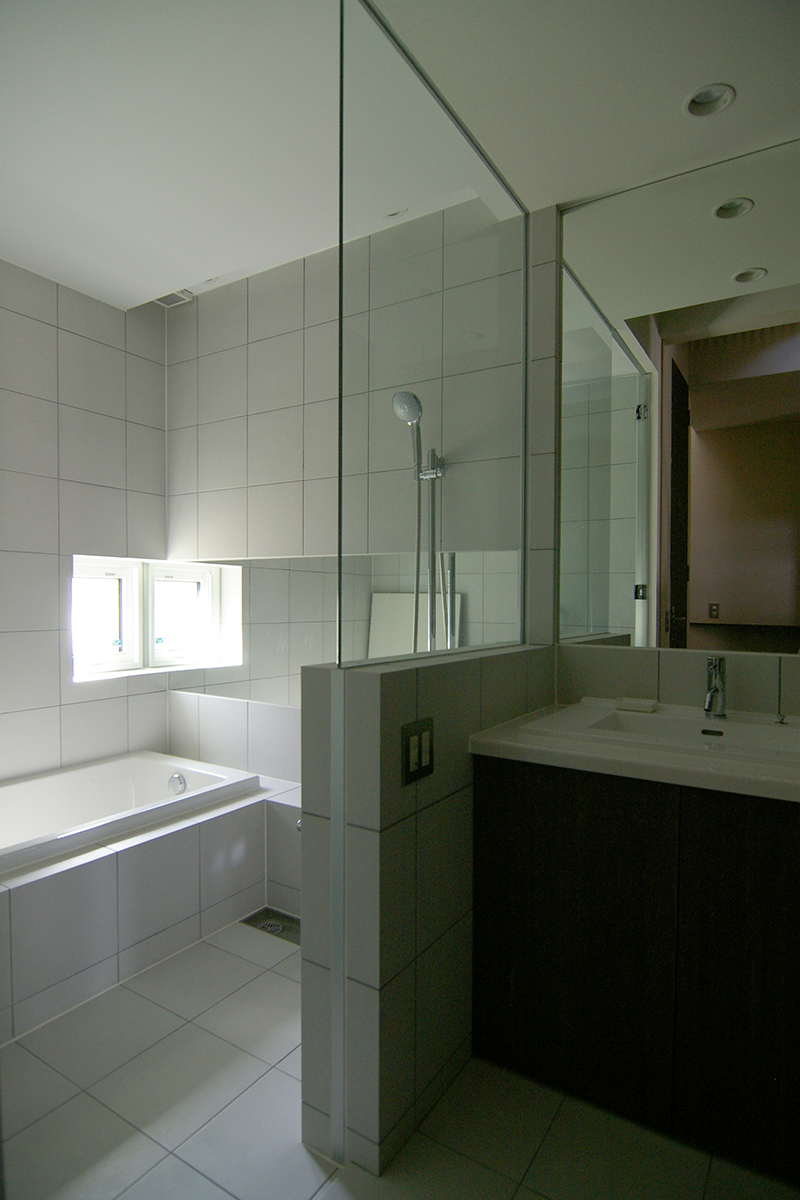
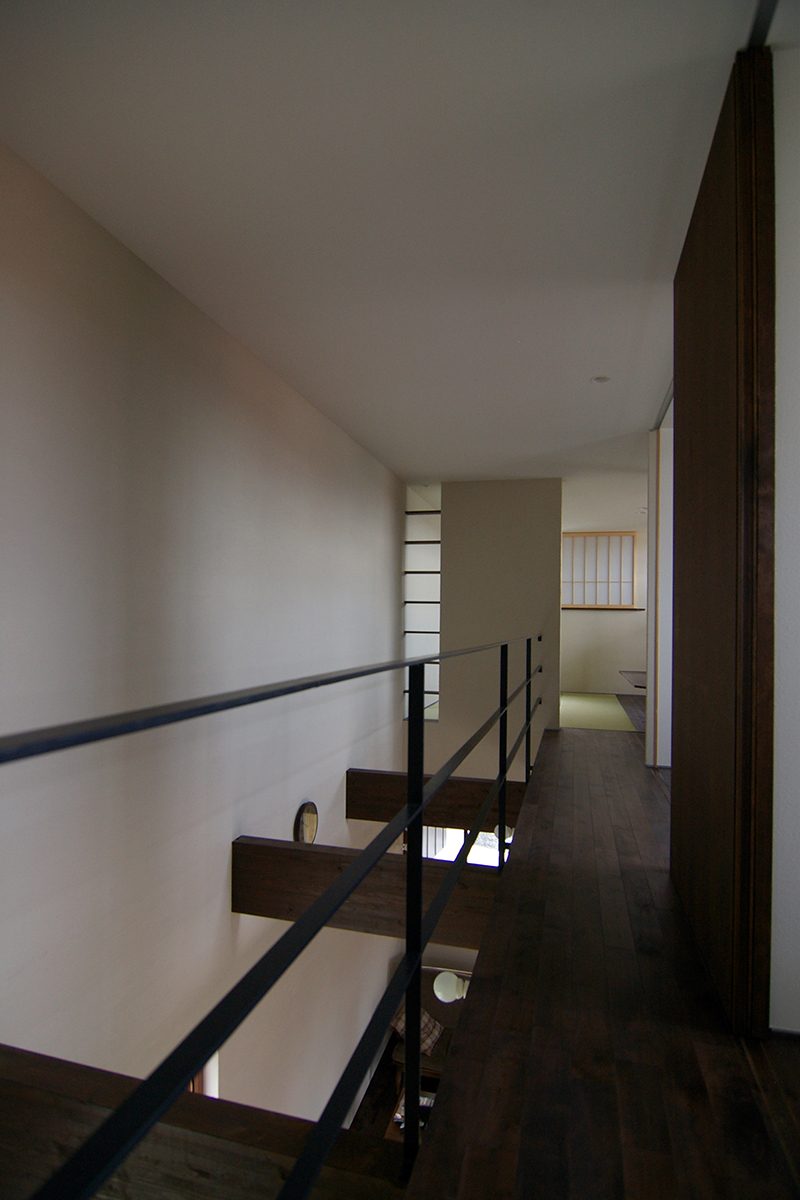
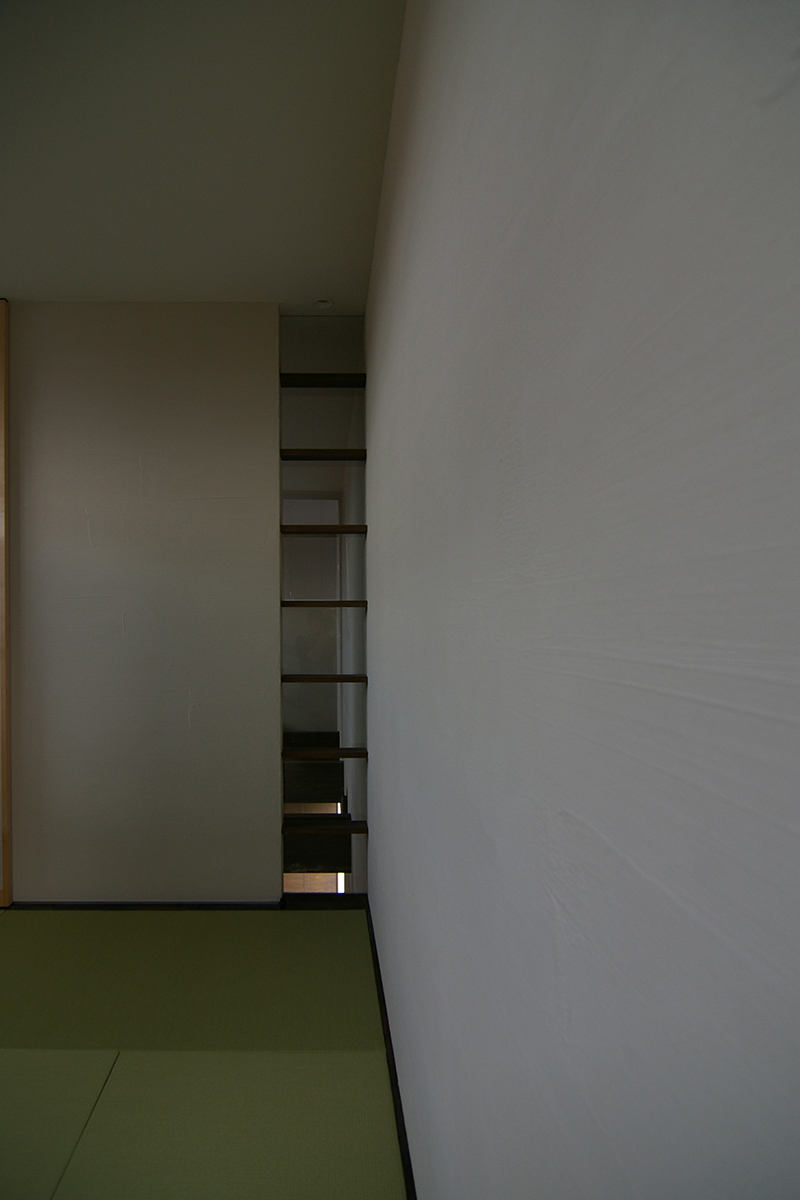
室内には落ち着いた光を導き、
床や壁に反射させることで空間に奥行きを生み出した。
強い演出に頼らず、
角度という単純な操作から、
街との関係と内部の豊かさを同時に導いている。
The site is situated in a residential district of Ebetsu,
where old and new buildings coexist.
Anticipating the gradual transformation of the neighborhood,
the project focuses on how the house engages with the surrounding townscape.
An inward-looking courtyard scheme was initially considered
to secure privacy.
However, given the scale of the site and budget constraints,
an alternative strategy was pursued.
The entire building is rotated approximately ten degrees
in relation to the street.
This subtle shift directs views toward gaps between adjacent buildings
and toward the roadway,
avoiding direct face-to-face alignment with neighboring houses.
Through this manipulation of angle,
privacy is maintained without resorting to enclosure,
forming a gentle boundary instead.
An exterior stair connecting the first-floor deck
to the second-floor deck is placed along the street side,
introducing vertical movement to the façade
and enriching the outdoor space.
Inside, calm natural light is carefully brought in
and allowed to reflect off floors and walls,
creating depth and nuanced expression.
Rather than relying on formal complexity,
the project derives both spatial richness and urban relationship
from a simple adjustment of angle.