住まい
2026.02.16
2009-INEVITABLE|北海道札幌の住宅設計|遠景を楽しむ傾斜地の家
別荘
2025.12.29
2024-Taku / 拓|北海道道東の別荘設計|草原の別荘
商業・サービス施設
2026.02.16
2010-美田内科循環器科クリニック|北海道札幌の医院設計


北海道当麻町の歯科設計|痕跡を活かし、明るく更新するクリニック
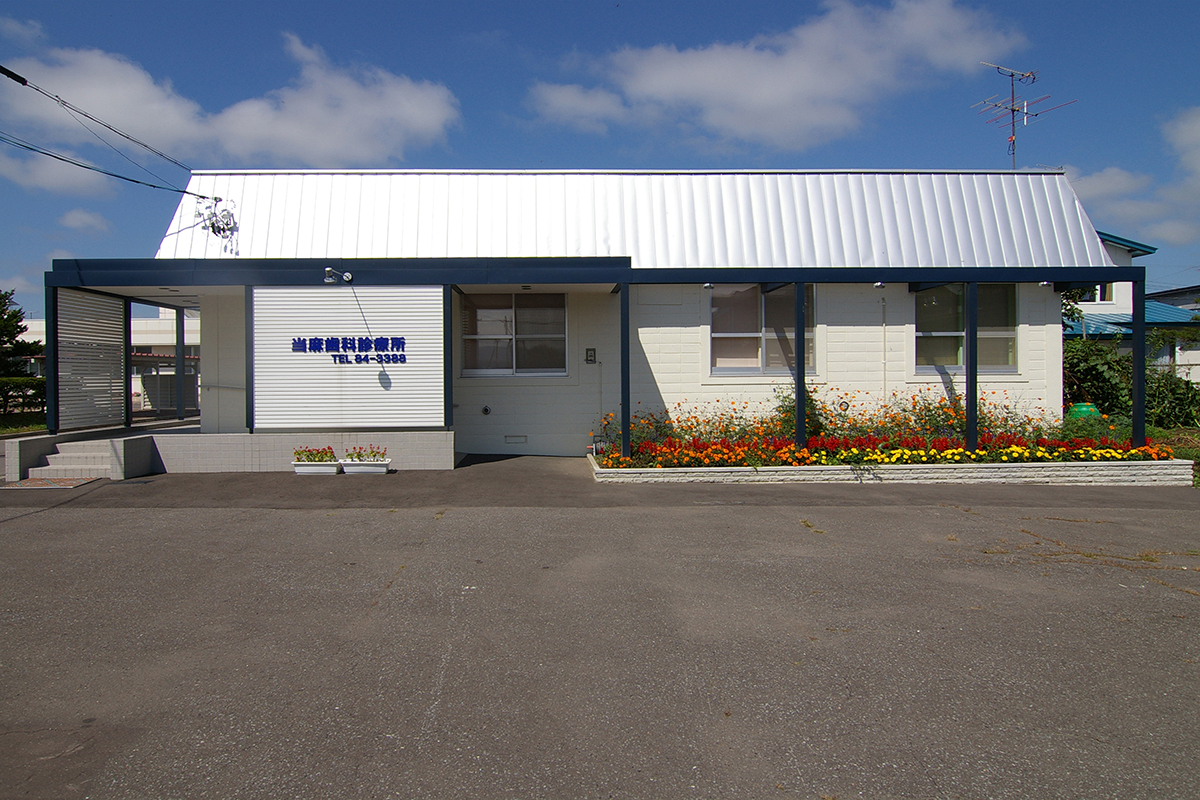
この歯科診療所は、北海道当麻町に位置する約25年前に建てられたセラミックブロック造の建物です。外観には当時の時代性が色濃く残っていました。
工事期間はゴールデンウィーク前後に限られており、短期間でいかに外観の印象を刷新し、室内を明るく、治療しやすい環境へ改善するかが大きな課題でした。
全面的に覆い隠すのではなく、既存のセラミックブロックの質感や痕跡を活かしながら、新しい表情へと更新する設計としています。
Dental Design in Toma, Hokkaido | Preserving Traces, Brightly Renewing the Clinic
This dental clinic is located in Toma, Hokkaido, in a building constructed about 25 years ago using ceramic block, typical of the period. The exterior reflected the style of its era.
With the renovation limited to the Golden Week period, the main challenge was how to refresh the exterior image and improve the interior to create a bright, efficient treatment environment in a short time.
Instead of completely covering the existing structure, the design preserves the texture and traces of the ceramic blocks while updating the clinic with a new, inviting expression.
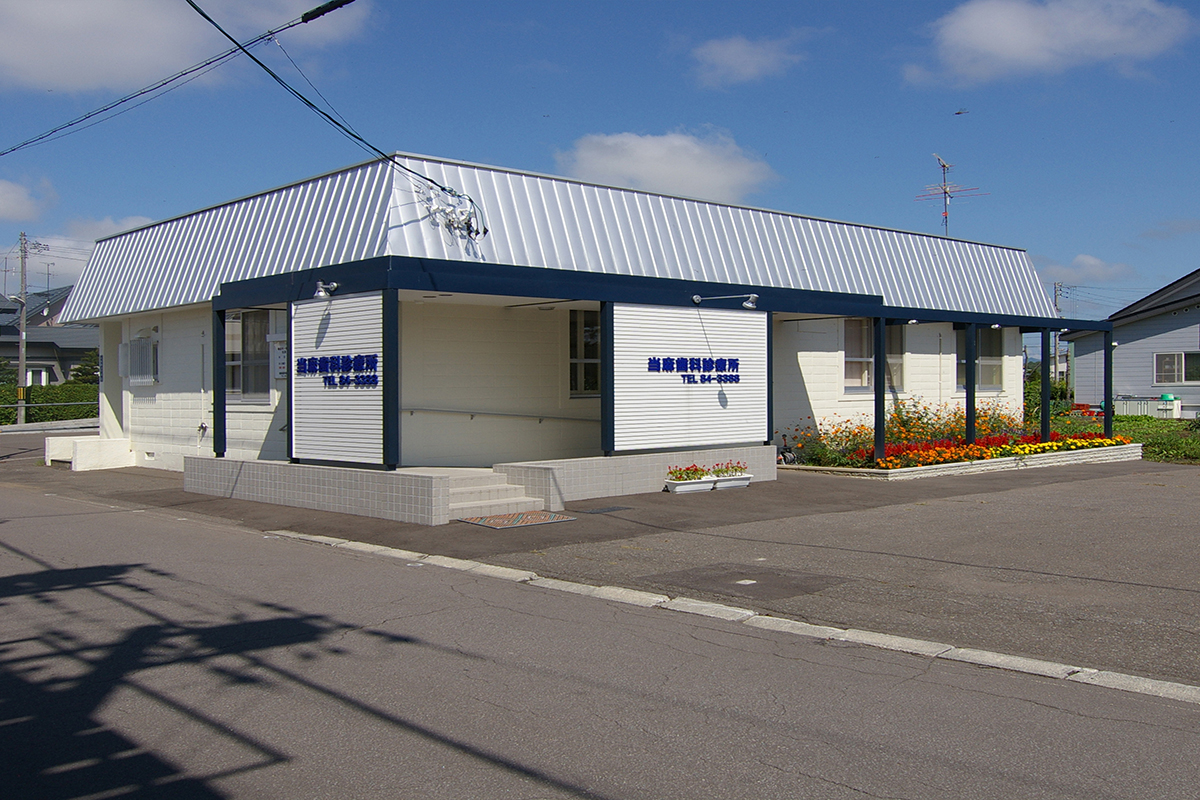
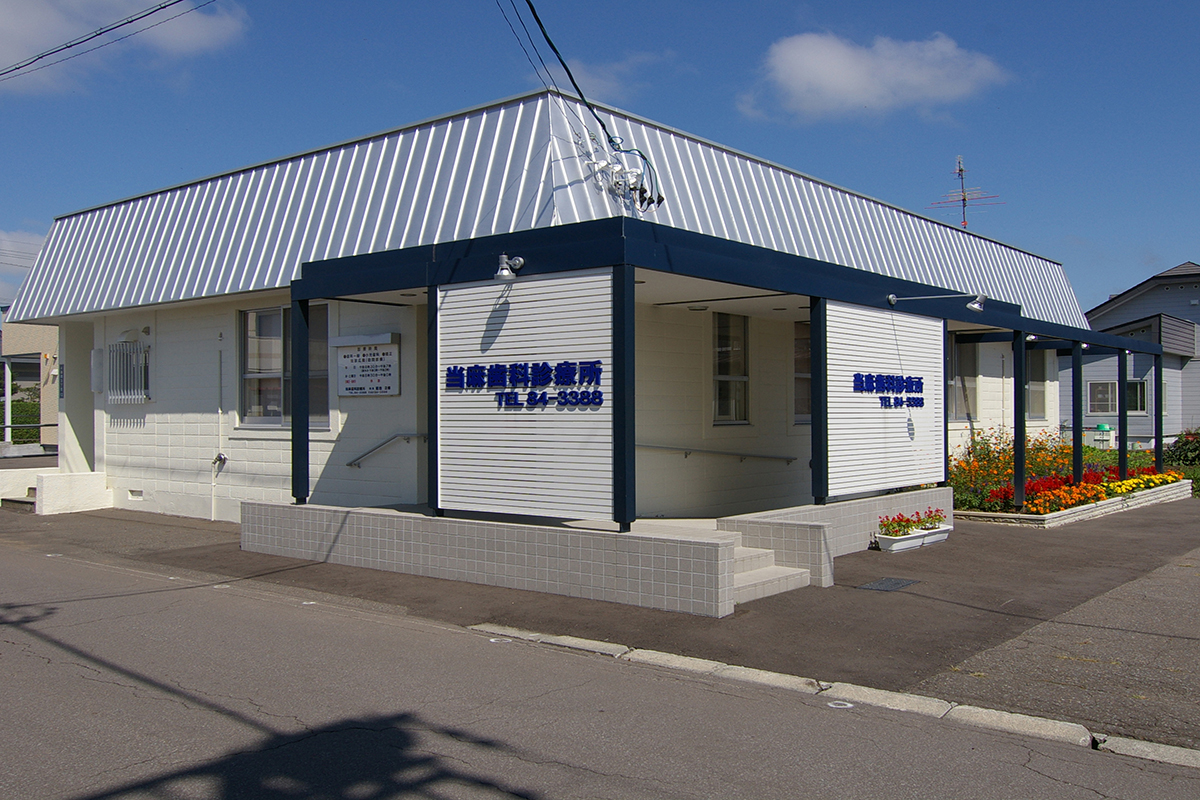
外装は大きな下地工事を伴う「重ね張り」ではなく、既存の素材感を読み取りながら、構造フレームを外周に回すことで印象を整理しました。
このフレームは、建物の輪郭を整えると同時に、看板計画やスロープを一体的に組み込む役割も担っています。
機能要素を個別に付加するのではなく、ひとつの構成の中に統合することで、短工期でありながら全体の統一感を高めました。
内部は、採光と動線を見直し、治療に集中しやすい明るく整理された空間へと再構成しています。
既存を否定するのではなく、読み替える。
限られた時間のなかで、本質的な更新を目指しました。
Instead of adding new cladding that would require extended construction time, a structural frame was introduced around the perimeter of the building to visually reorganize its composition.
This frame integrates signage and the access ramp into a unified architectural gesture.
Rather than attaching functional elements independently, they are incorporated into a single coherent system, creating a renewed presence within a limited construction period.
Inside, natural light and circulation were carefully reconsidered to create a bright and efficient treatment environment.
The project does not erase the past; it redefines it.
Within constraints of time, the goal was a meaningful and essential transformation.