リノベーション
2025.12.29
2018-le jardin|北海道札幌の住宅設計|緑を楽しむ住宅
住まい
2026.01.29
2024-合間の家|北海道幕別町の住宅設計|庭と空間をつなぐ住まい
住まい
2026.02.16
2010-BLACK BOX|北海道札幌の住宅設計|中庭を楽しむ住まい


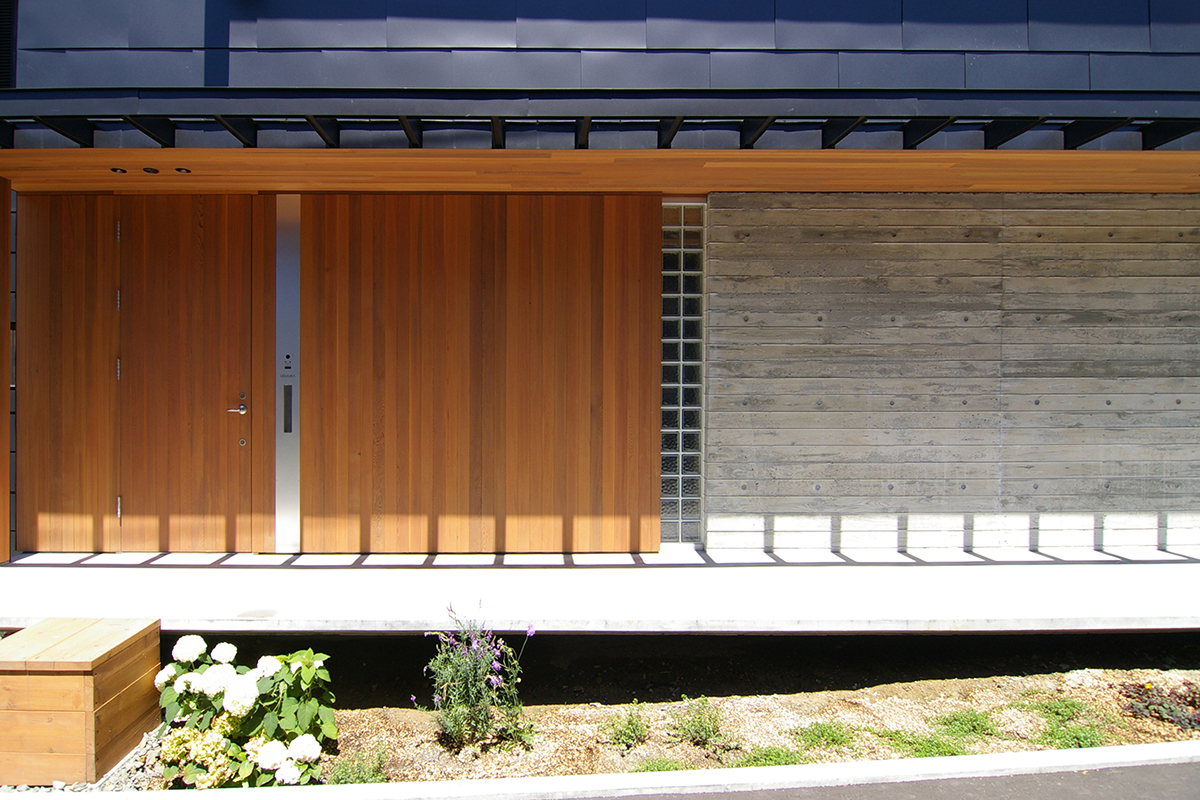
北海道札幌市中央区の住宅設計。細長い敷地に奥行きを編み込む住まい。
敷地は札幌市中央区の住宅街。
間口が狭く、奥行きのある敷地でした。
2台分の駐車スペースを確保すると、
残るのは細長いアプローチのみとなります。
その制約を逆手に取り、
奥へと導かれていく時間そのものを
建築体験として感じられる構成としました。
細長い敷地の奥に視線が開き、
周囲の景色が住まいの中へと取り込まれていきます。
A residential house in Chuo Ward, Sapporo, designed for a narrow and deep site.
The house is located in a residential neighborhood in Chuo Ward, Sapporo.
The site is narrow at the frontage but extends deep into the block.
After securing parking space for two cars, only a long and slender approach remained.
Rather than treating this as a limitation, the design transforms the sequence of moving deeper into the site into an architectural experience.
As one progresses inward, the space gradually opens and frames the surrounding landscape, drawing distant views into the house.
a gradual transition into architecture.
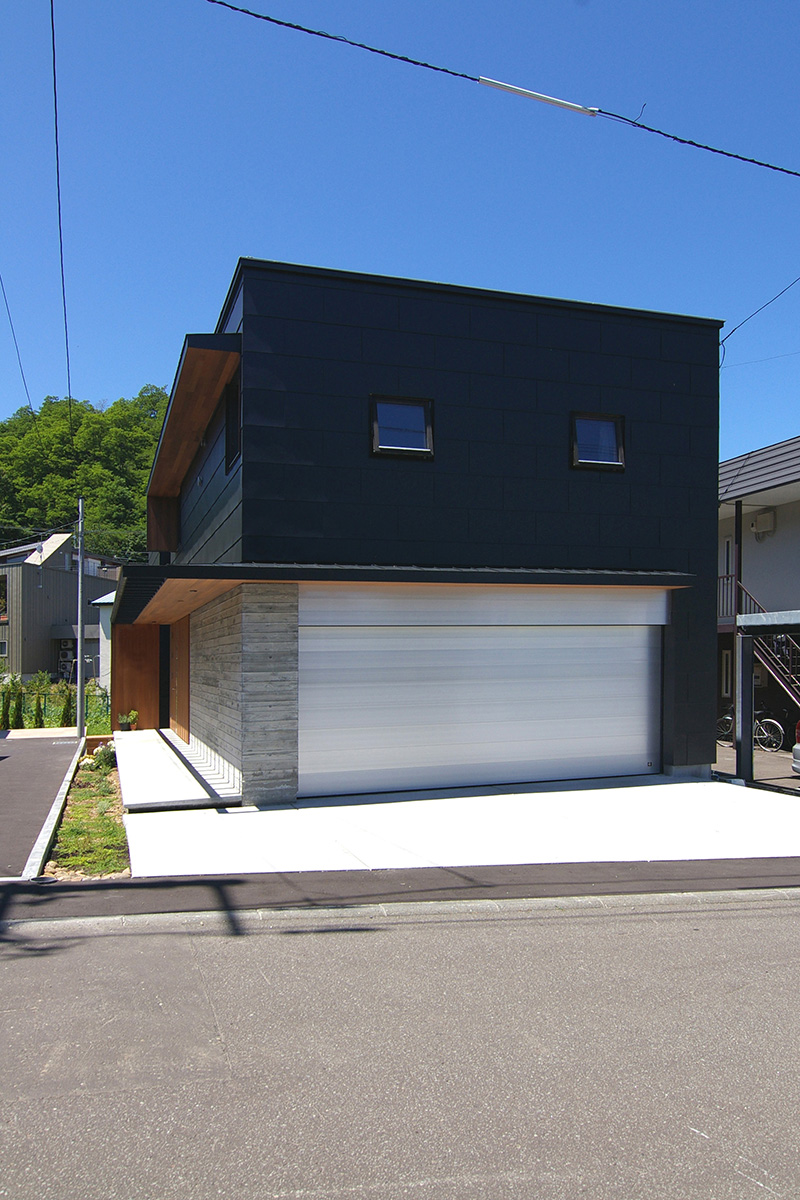
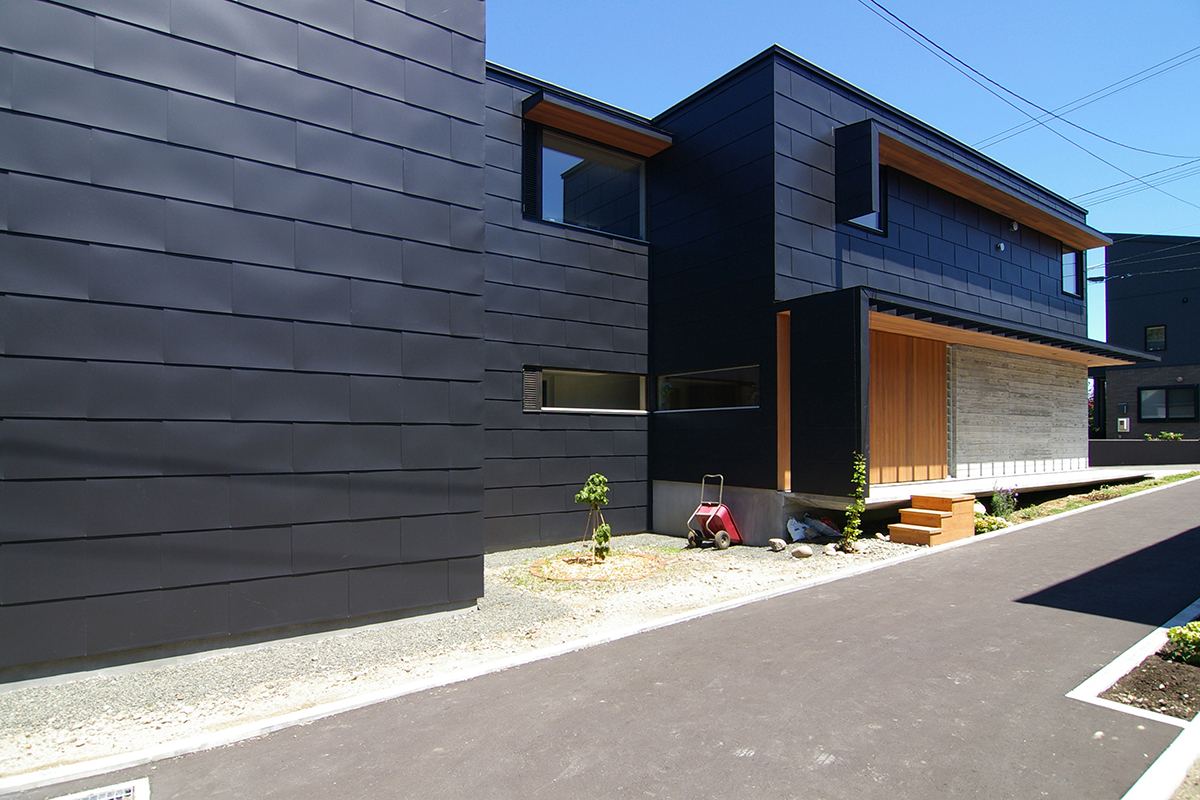

敷地は間口が限られ、奥へと伸びる都市型の形状を持つ。
駐車場を2台分確保すると、
外部空間の大半はアプローチに充てられる計画となった。
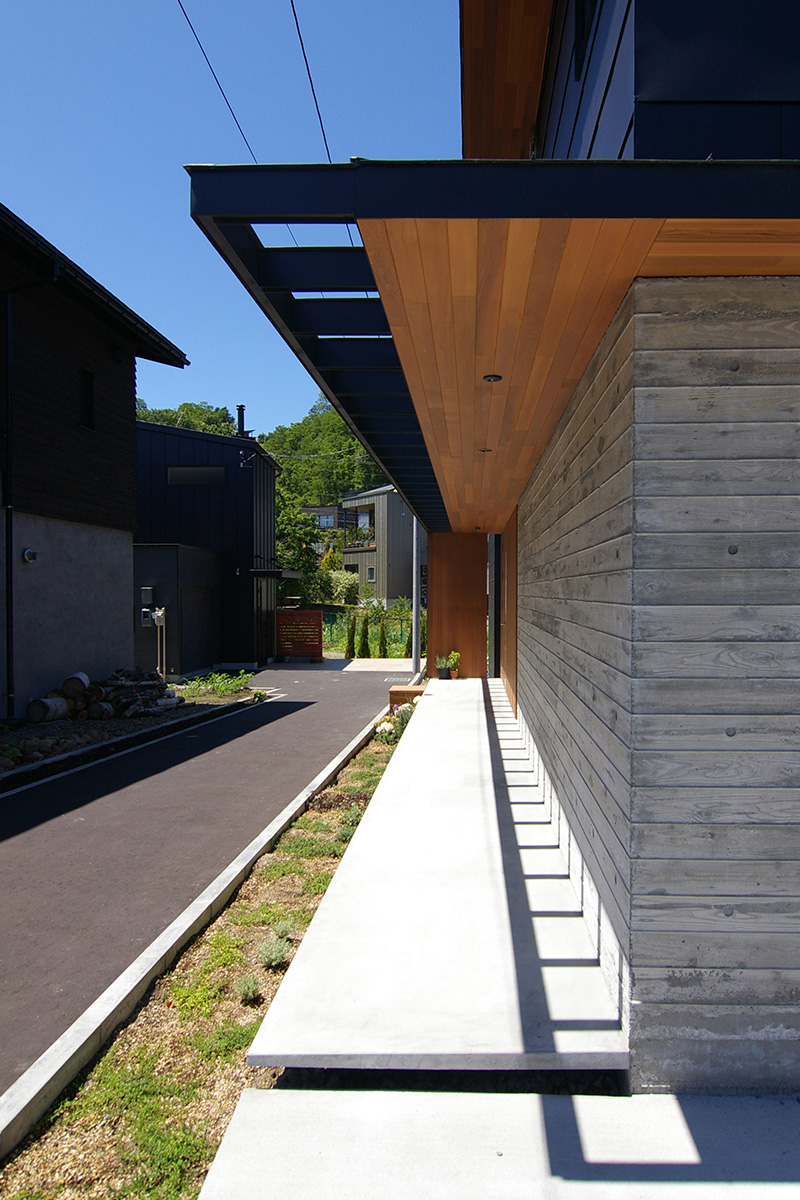
そこで、この長いアプローチを単なる通路とせず、
建築へと気持ちを切り替える“余白の時間”として位置付けた。
アプローチに沿う壁には、
光や時間によって表情を変える素材を採用し、
歩みとともに質感が立ち上がる構成としている。
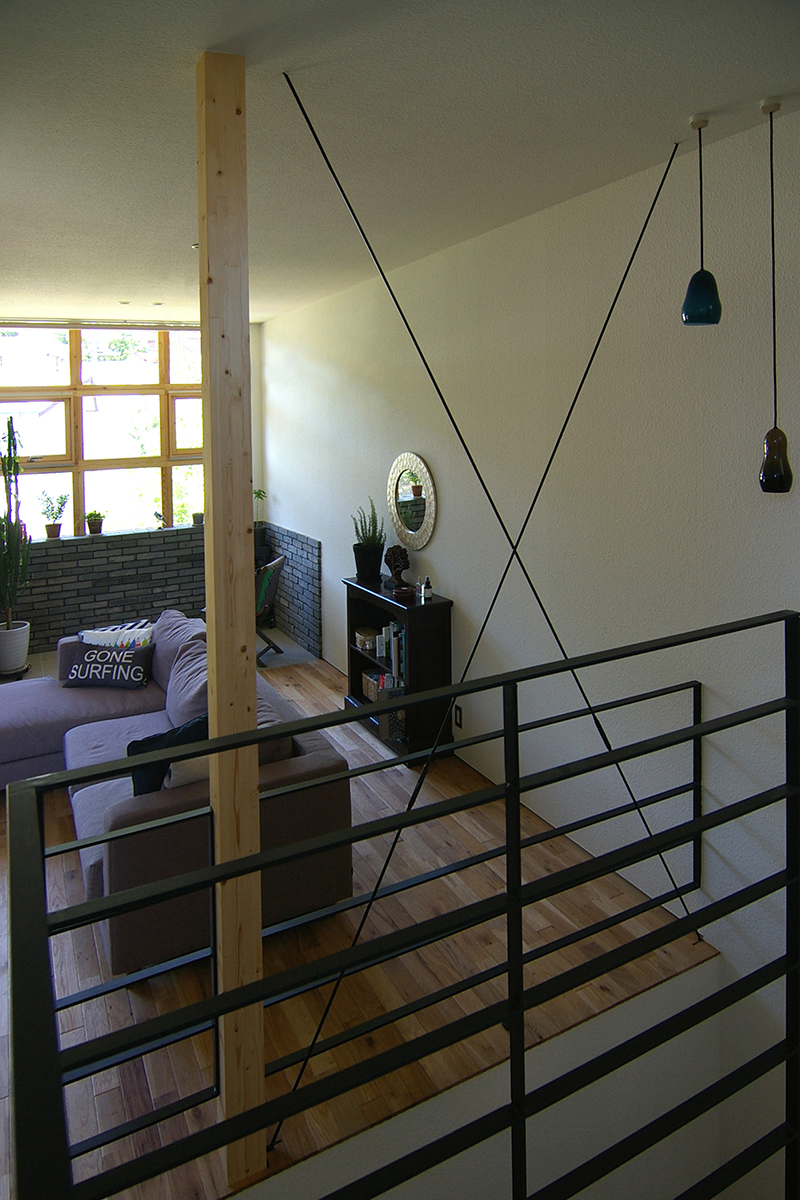
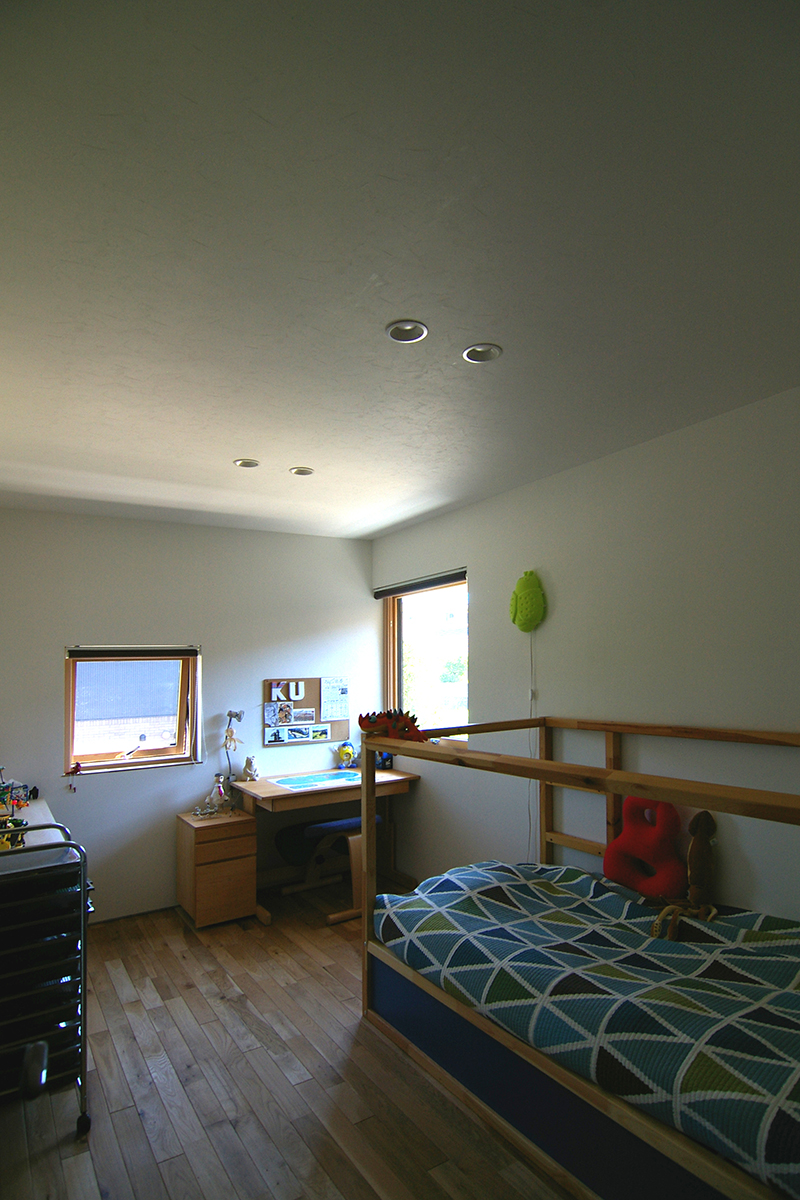
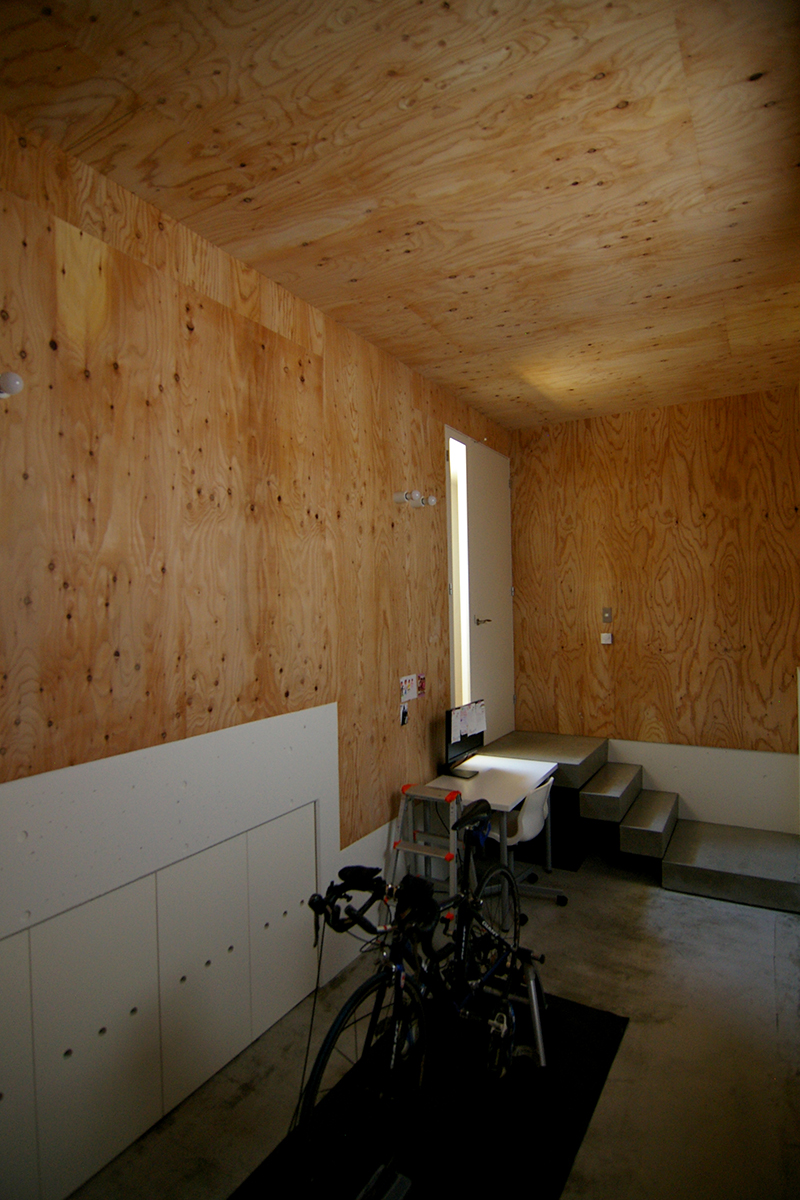
また、敷地が持つ勾配を断面計画へと素直に反映し、
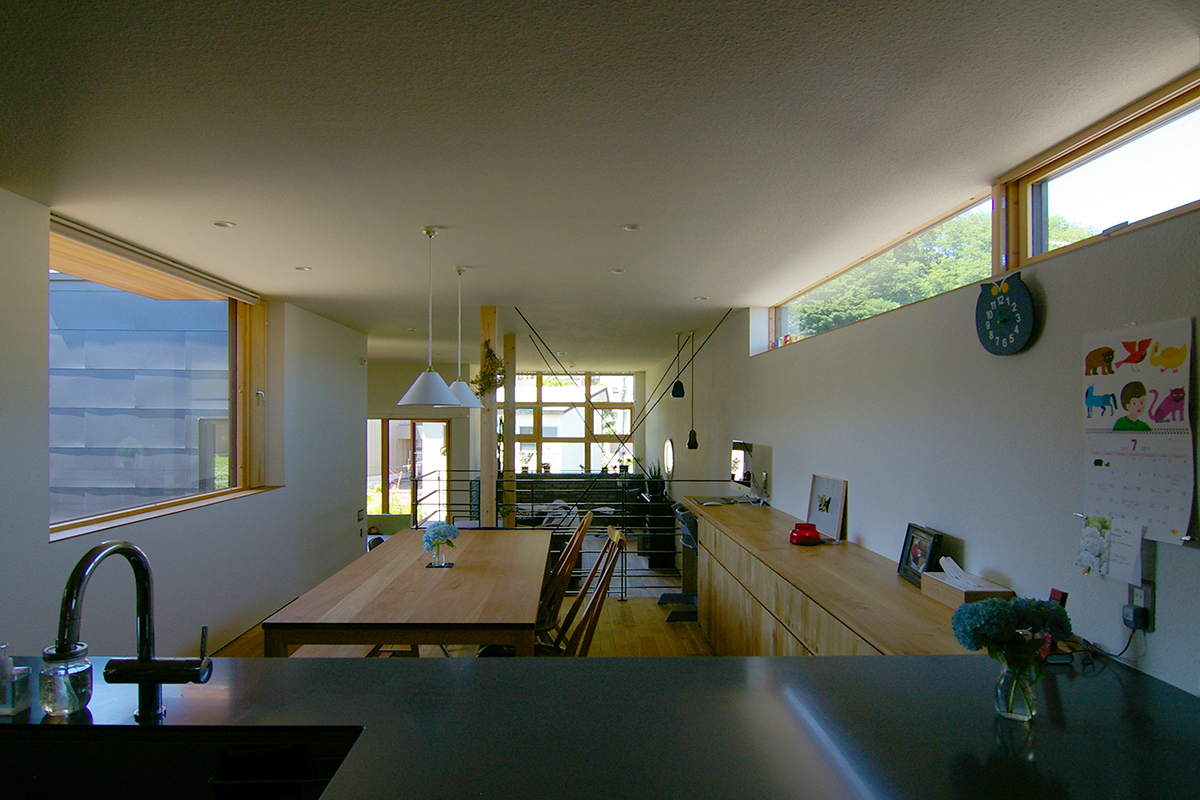
内部空間を筒状に連続させながら、
レベル差によって緩やかに領域を分節した。
視線は抜けながらも、居場所はさりげなく区切られる。
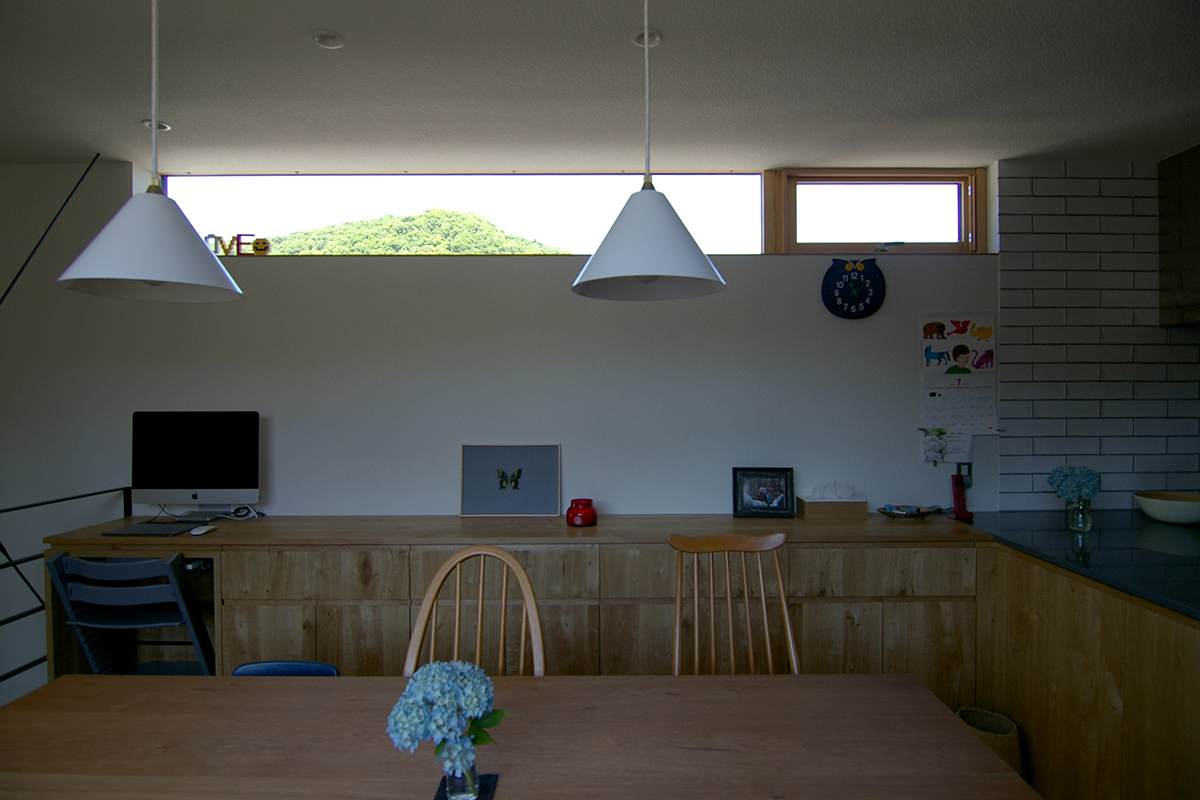
ダイニングの窓およびキッチンからは、
円山や旭山の稜線を望むことができる。
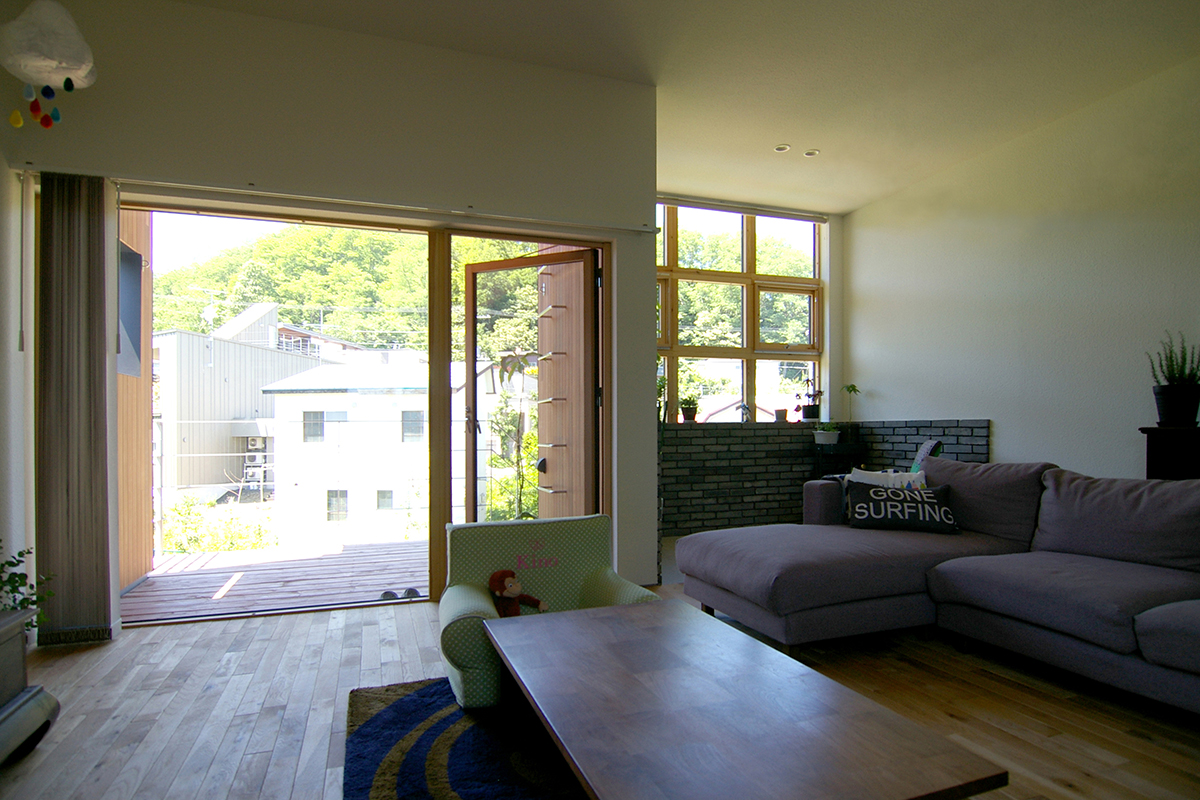
都市の中にありながら、
四季の移ろいを日常に取り込み、
家族が豊かに時間を重ねられる住まいを目指した。
細長い敷地条件を制約ではなく奥行きへと転換し、
水平と断面の両面から空間の豊かさを編み上げた住宅である。
The site is characterized by a restricted street frontage and considerable depth, typical of an urban lot.
Allocating space for two parking vehicles leaves only a linear approach as the primary exterior element.
This elongated approach is therefore conceived not merely as circulation,
but as a preparatory sequence—an interval that gently shifts one’s awareness from city to dwelling.
The wall that runs alongside it is finished in a richly textured material,
its surface subtly changing expression with light and time,
allowing the act of walking to become a tactile experience.
The natural slope of the site is directly translated into the building’s section.
Interior spaces are connected in a tubular sequence,
while subtle level differences loosely articulate each zone.
Sightlines extend through the volume,
yet each place retains a quiet sense of definition.
From the dining area and kitchen, views open toward the ridgelines of Maruyama and Asahiyama.
Amidst the urban fabric, the house engages the changing seasons,
offering a setting where family life unfolds in quiet richness.
What might have been perceived as a constraint—a narrow, elongated site—
is reinterpreted as an opportunity to compose depth,
both in plan and in section.